What Is Ethnosymbolism? Anthony D. Smith's Work on Nationalism
Ethnosymbolism is an approach to the study of nationalism, grounded in the work of Anthony D. Smith, that emphasizes the importance of symbols, myths, and memories.
Ethno-symbolism is a way of studying nations and nationalism rather than a theory. Arising from the work of Anthony D. Smith (1939-2016), etho-symbolism emphasizes the importance of myths, memories, and symbols in the formation of national identity. Like the modernists, ethnosymbolism sees nationalism, and consequently nations, as a modern phenomenon.
In this article, you will understand what ethnosymbolism is and how it differs from other theories studying nationalism, such as perennialism and modernism.
Key Takeaways
| Perennialism | Nations are timeless and natural entities. |
| Modernism | Nations are entirely modern constructs resulting from modern social and economic changes. |
| Ethnosymbolism (a critique/supplement to modernism) | Agrees with modernism that nations are modern constructs but argues that their form and power depend significantly on the cultural resources (myths, symbols) of pre-existing ethnic communities (ethnie). It recognizes the nation as a dynamic process that changes over time through the renegotiation of these cultural elements. |
Ethnosymbolism Is Not Exactly a Theory

Anthony D. Smith (1939-2016) was a British historical sociologist known for his work studying nationalism. In the 1980s, Smith coined the term "ethnosymbolism" to describe a study of nationalism that would consider nations' symbolic dimensions.
Ethnosymbolism can be better understood as a critique and a supplement of prior theories studying nations and nationalism. As Smith himself wrote:
"It is a supplement because it aims to 'fill out' the narrative of the 'modernists'. It acts as a corrective because, in doing so, it necessarily disputes and seeks to amend several of their arguments, as it does those of their 'perennialist' opponents." Smith 2009, 1
It becomes evident that one needs to see what these theories (perennialism and modernism) are about before understanding ethnosymbolism.
Perennialism
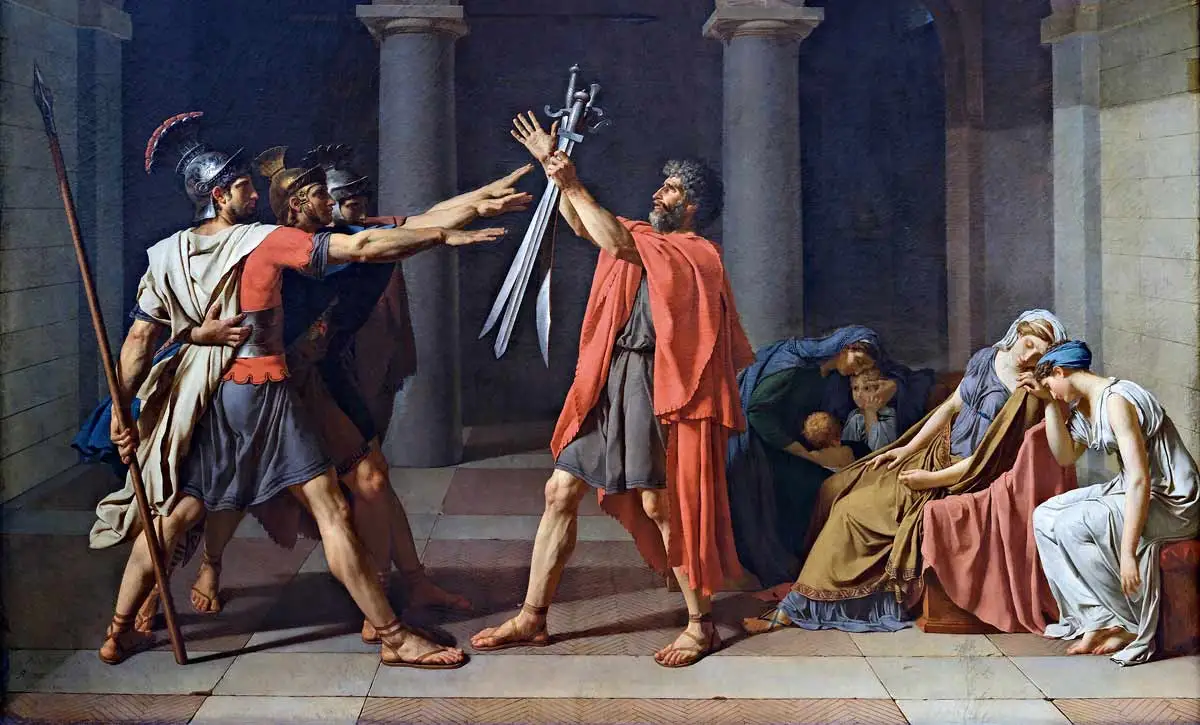
The first stop is perennialism. Perennialism is a framework that sees nations and races as given in nature and therefore as perennial and primordial. Under this paradigm, the ancient Greeks as well as the Maya can be called nations.
Modernism
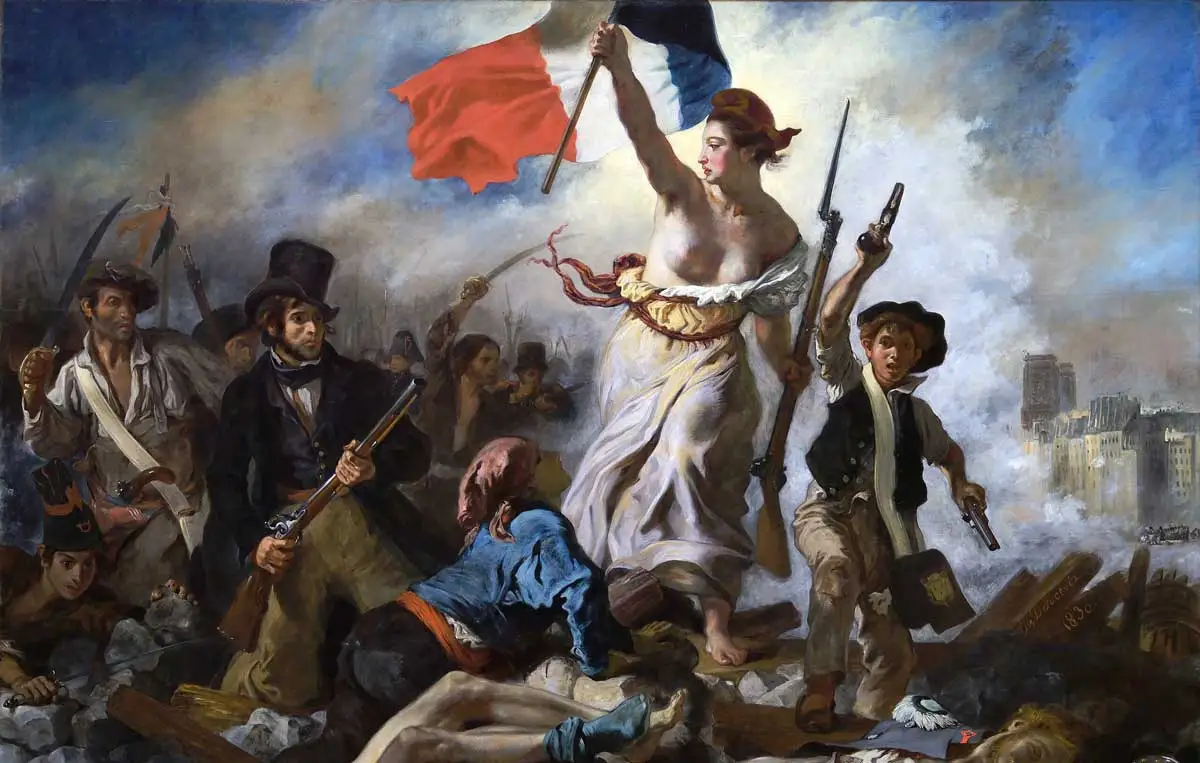
In the 20th century, the tragedy of World War II gave rise to various modernist ideologies that critiqued the perennialist viewpoint, such as Benedict Anderson's theory that the nation is an imagined community that was created during the Industrial Revolution. The modernist critique grouped nationalism with fascist ideologies and saw nationalism as a construct that emerged with the modernisation of previously agrarian societies and the rise of the modern State.
In short, the modernists proposed that:
- Nationalism and nations are recent and novel constructs that arose around the time of the Enlightenment.
- Both are the products of 'modernisation'.
So, What Is Ethnosymbolism?

Unlike modernism, ethnosymbolism emphasizes ethnic identities and communities, which he called "ethnies", as the basis for nation-building.
Another difference is that ethnosymbolism recognizes that nations are constructs but not elite ones. The elites and the wider population both participate in nation-building. In this process, collective memory, symbols, and myths are selected to function as the connective tissue that brings pre-existing ethnic identities under the nation.
Last but not least, ethnosymbolism considers the nation as a process that changes through time. By renegotiating memories, symbols, and myths the nation changes. Of course, economic and military processes also influence the nation's shape.
Also read: Our new guide to Biopolitics and Necropolitics.
Common Criticism
The most common criticism against ethnosymbolism is that it conflates nations with ethnic groups. In seeking ethnic myths and symbols, ethnosymbolism retrospectively sees them as holding meanings that we cannot be sure they had. For scholars who support this critique, symbols and myths are not simply found as ethnosymbolists often argue, but also produced. Smith himself has responded to this critique in detail (see Smith 2009, 105-132).
Bibliography
Smith, Anthony D. Ethno-Symbolism and Nationalism: A Cultural Approach. Routledge, 2009.