Category
Classics
27 articles in this section
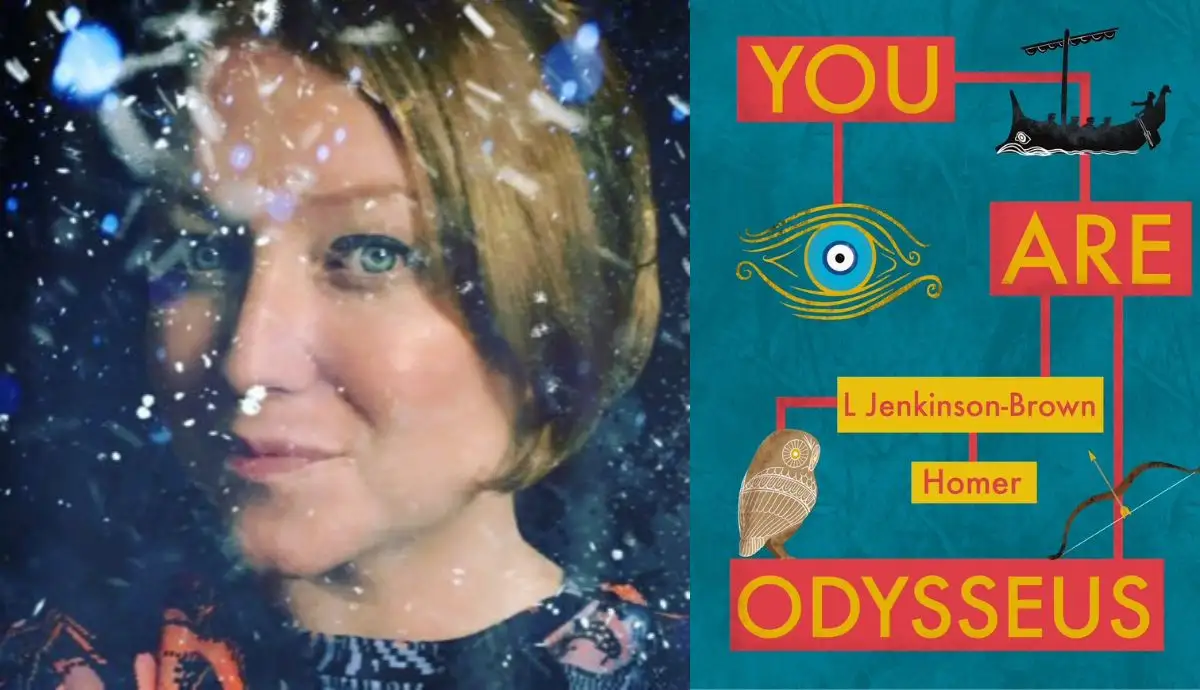
You Are Odysseus: A Choose-Your-Own Homeric Adventure with Laura Jenkinson-Brown
How many ways can the Odyssey end? Teacher, illustrator, and author Laura Jenkinson-Brown talks about her work that turns the Homeric epic into an interactive multiverse.
Oct 13 - Antonis Chaliakopoulos
The Modern Invention of the Marathon Race and Michel Bréal
The marathon was invented for the 1896 Olympics, inspired by a 19th-century Victorian poem that confused two distinct legends associated with the battle of Marathon.
Sep 29 - Antonis Chaliakopoulos
Gentrification in Ancient Syracuse and the Glorious Exploits of Ferdia Lennon
The unique language and impactful themes of "Glorious Exploits" by Ferdia Lennon; a story about beauty and art.
Sep 8 - Antonis Chaliakopoulos
Euripides' Alcestis & Nietzsche's Amor Fati on Cheating Death
Would you die in your partner's place? Euripides' ancient Greek tragedy Alcestis is the perfect introduction to Nietzsche’s concept of amor fati.
Aug 31 - Antonis Chaliakopoulos
Silo Is Basically Plato's Cave with Extra Steps (and Elon Musk)
Apple TV's Silo brings Plato's Cave to life. This is how Juliette Nichols takes on the burden of the philosopher in the sci-fi epic.
Aug 30 - Antonis Chaliakopoulos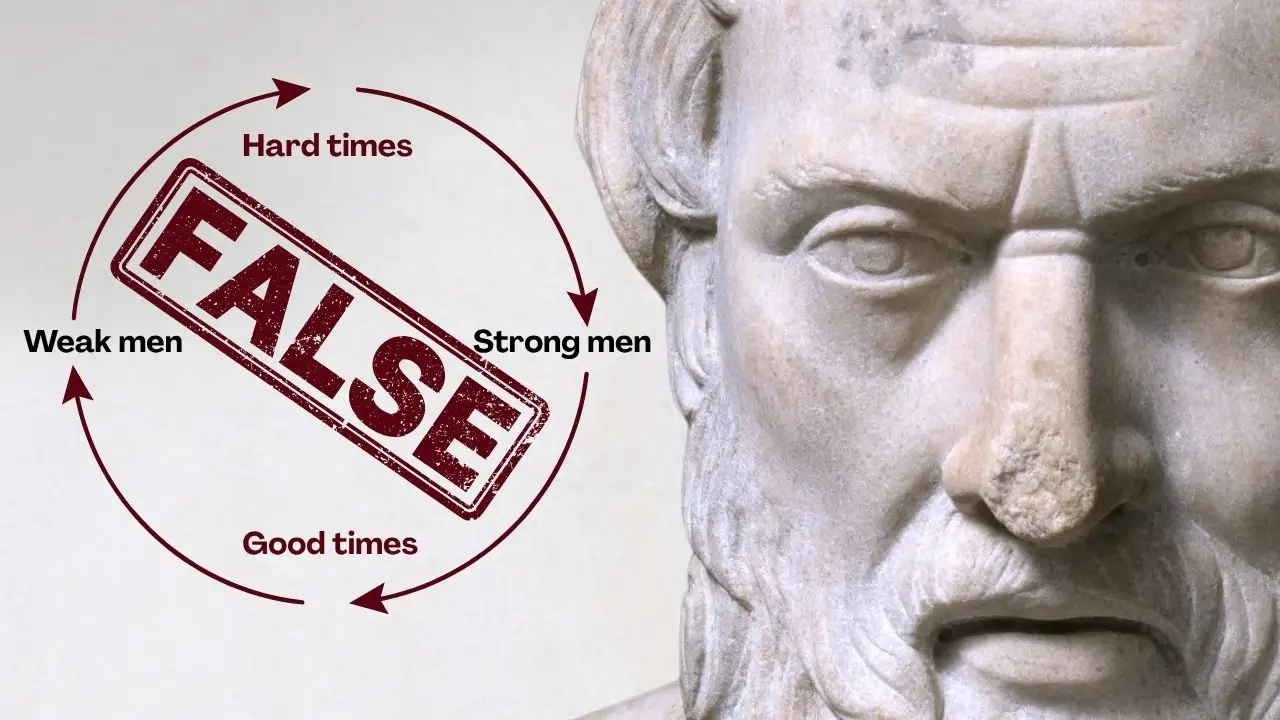
Do "Hard Times Create Strong Men"? What Herodotus and Ibn Khaldoun Say
The historical roots behind the quote "Hard times create strong men." How Herodotus, Hesiod, and Ibn Khaldun viewed the cycle of empires.
Aug 4 - Antonis Chaliakopoulos
Greek Myths That Inspired Tolkien's Lord of the Rings
There are a few interesting parallels between Greek mythology and Tolkien's universe.
Aug 4 - Antonis Chaliakopoulos
3 Ancient Greek Myths about Obsessive Love
Strange and interesting stories about love and obsessive love in ancient Greek mythology.
Jul 28 - Antonis Chaliakopoulos
The Trap of Thucydides Has Nothing to Do With the Greek Historian
The so-called "trap of Thucydides" is based on a misreading of Thucydides who may have been warning us about a dangerous self-fulfilling prophecy.
Jul 12 - Antonis Chaliakopoulos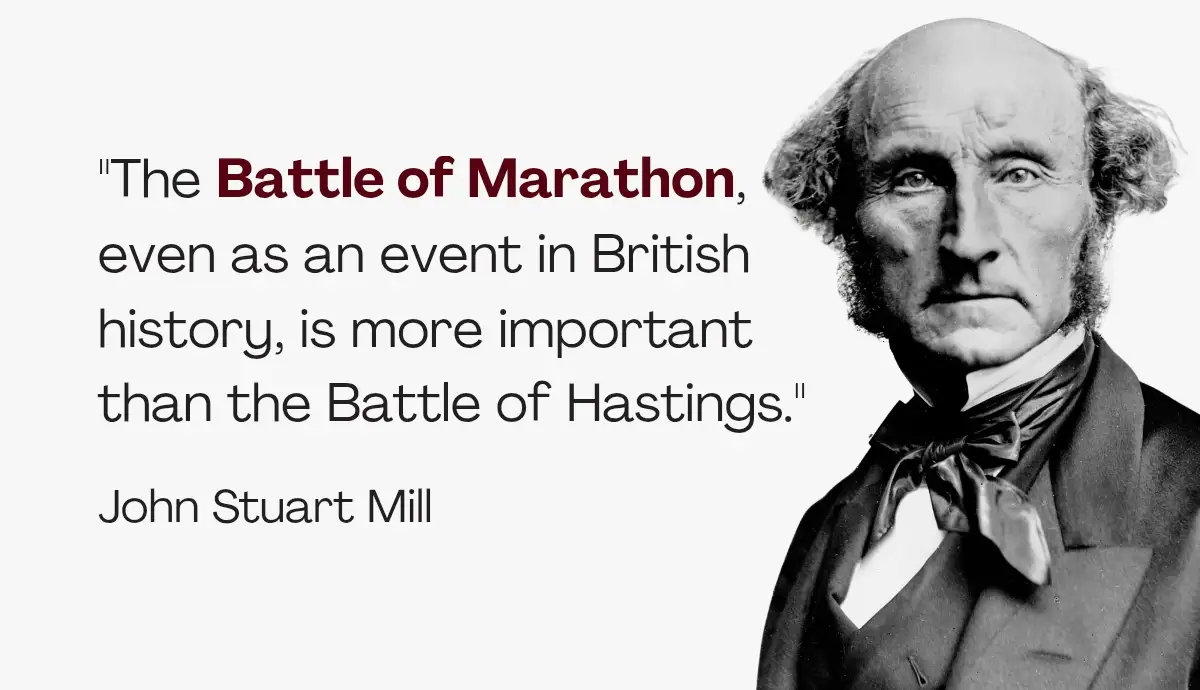
Was Marathon a Decisive Battle? What JS Mill Got Wrong
Why did John Stuart Mill claim the Battle of Marathon was more important to Britain than the Battle of Hastings?
Jul 5 - Antonis Chaliakopoulos
Why Hegel's Aesthetics Rejected Imitation (& Disliked the Greek Painter Zeuxis)
Hegel's philosophy of art rejected mere imitation in favor of an understanding of beauty as a sensuous expression of human freedom.
Jun 30 - Antonis Chaliakopoulos
The Uncanny Backrooms of Greek Mythology
The internet phenomenon of the Backrooms and the 2026 film parallel the Greek Underworld, the Labyrinth, and other stories from Greek Mythology.
Jun 21 - Antonis Chaliakopoulos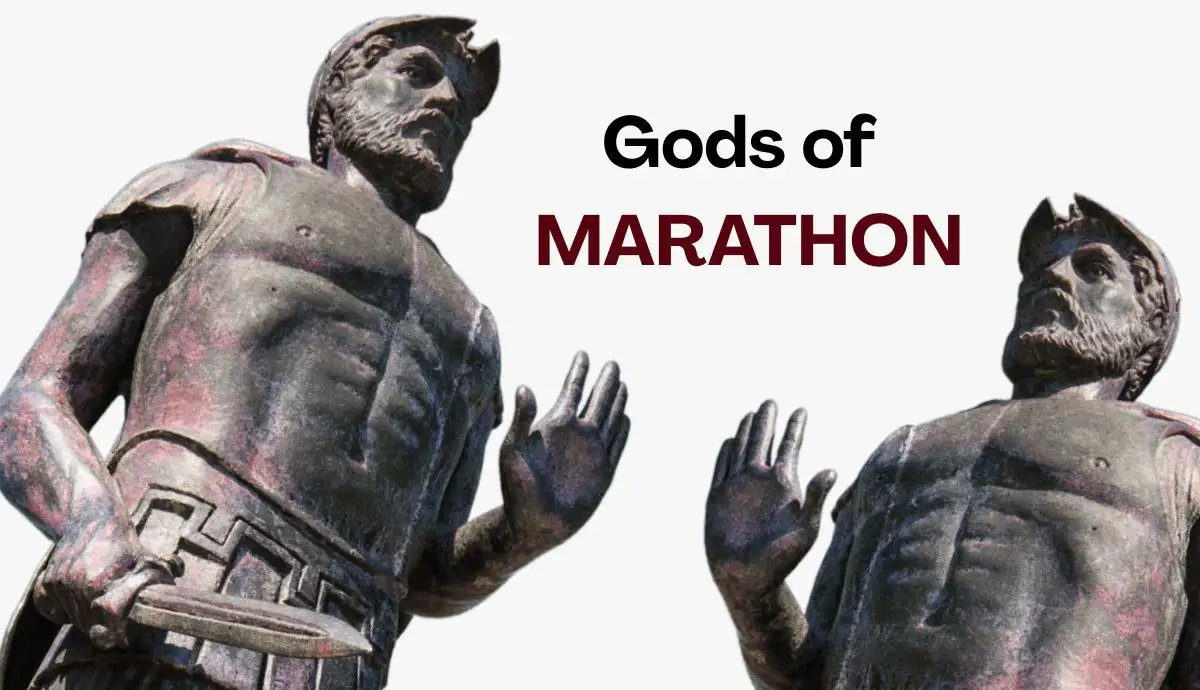
The Gods Who Fought at the Battle of Marathon
Multiple gods fought at the Battle of Marathon or, at least, that's what the Athenians claimed.
Jun 14 - Antonis Chaliakopoulos
Recognition in Aristotle, Said, and Isabella Hammad
In this article I discuss some interesting takes on the Aristotelian concept of anagnorisis by Edward Said and Isabella Hamamad.
Jun 7 - Antonis Chaliakopoulos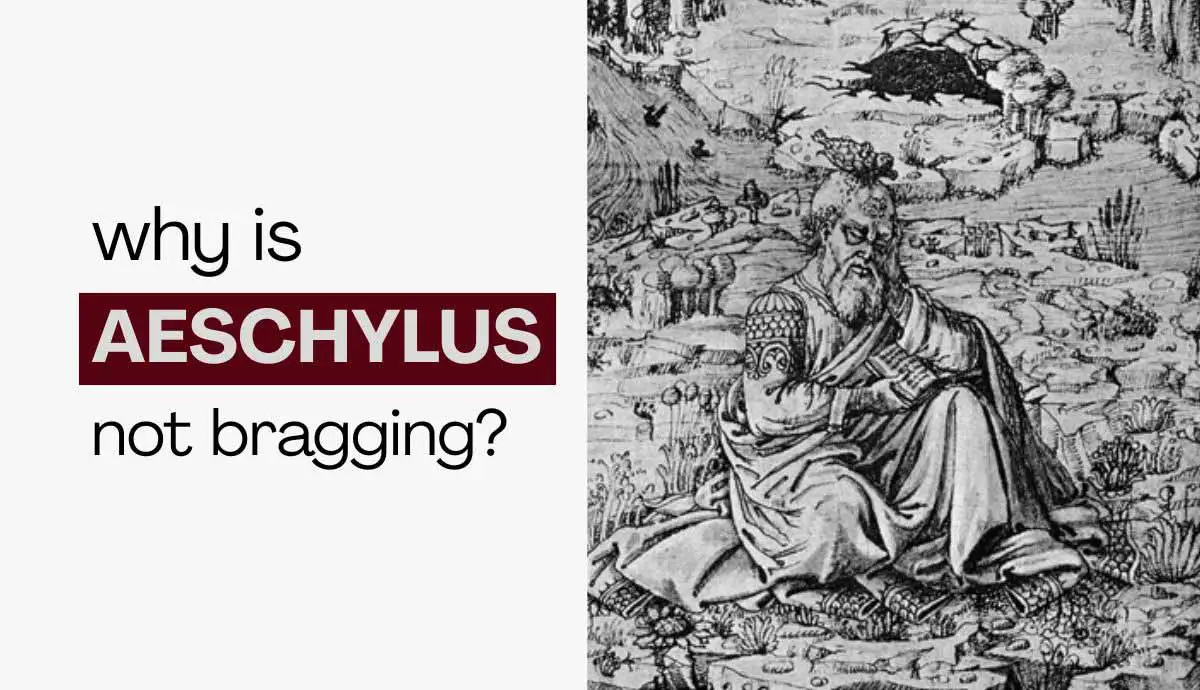
The Unexpected Epigram of Aeschylus' Tomb
Why did Aeschylus, Greece’s greatest tragic playwright, erase his theater career from his own tombstone?
May 24 - Antonis Chaliakopoulos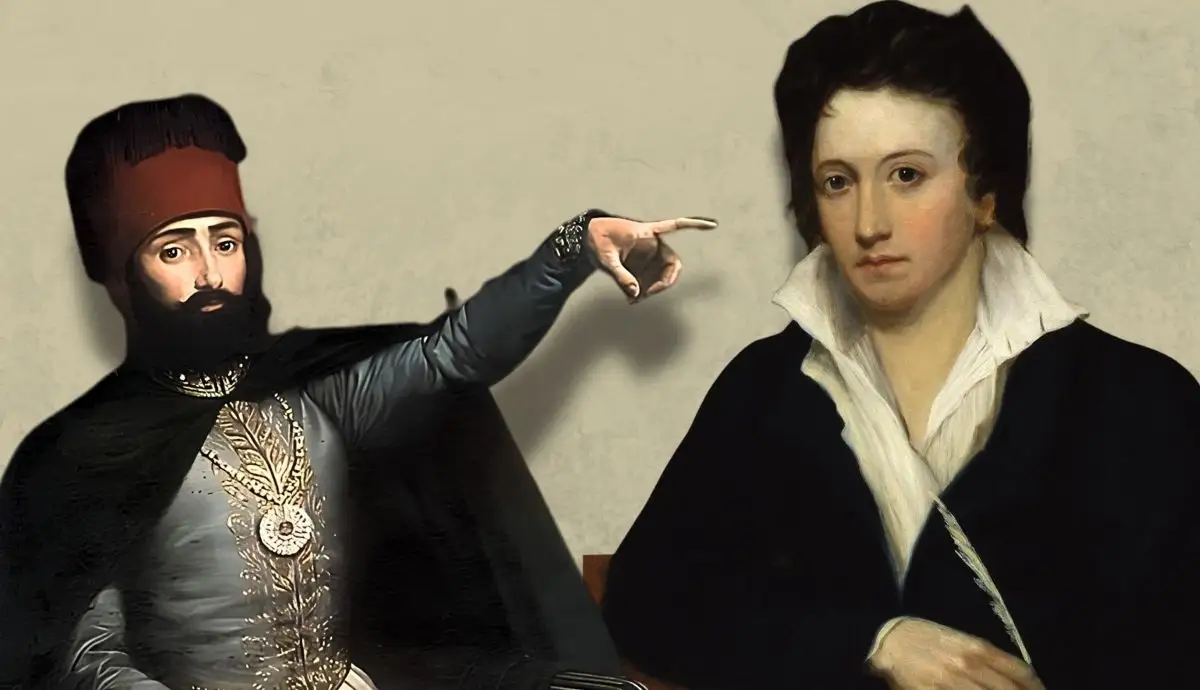
Shelley's Hellas vs. Aeschylus' Persians: Reimagining Antiquity
Percy Shelley’s last work titled "Hellas" mirrored Aeschylus’ Persae. Let's compare the two works.
May 17 - Antonis Chaliakopoulos
Hellas as Heterotopia: Foucault, Freud, and the Power of Classical Ruins
For Western travelers, classical ruins have often felt like a "return home". Why? This take applying Foucalt's theory of heterotopia on classical ruins may hold the answer.
May 10 - Antonis Chaliakopoulos
Philobarbaros or Orientalist? What Herodotus Really Thought of the Persians
Herodotus' portrayal of the Persian Empire is complex. The Greek historian balances "Orientalist" stereotypes with surprising empathy and admiration.
Updated May 27 - Antonis Chaliakopoulos
Is Aeschylus' "Persae" Sympathetic Towards Persians?
Was Aeschylus' "Persae" Greek patriotic propaganda or a sympathetic tragedy that approached the enemy with sensitivity?
Updated Jul 2 - Antonis Chaliakopoulos
Essential Classical Reception Blogs and Websites (2026)
A collection of classical reception blogs and websites you should follow in 2026 if you are interested in the modern reception of the Classical World.
Updated Oct 13 - Antonis Chaliakopoulos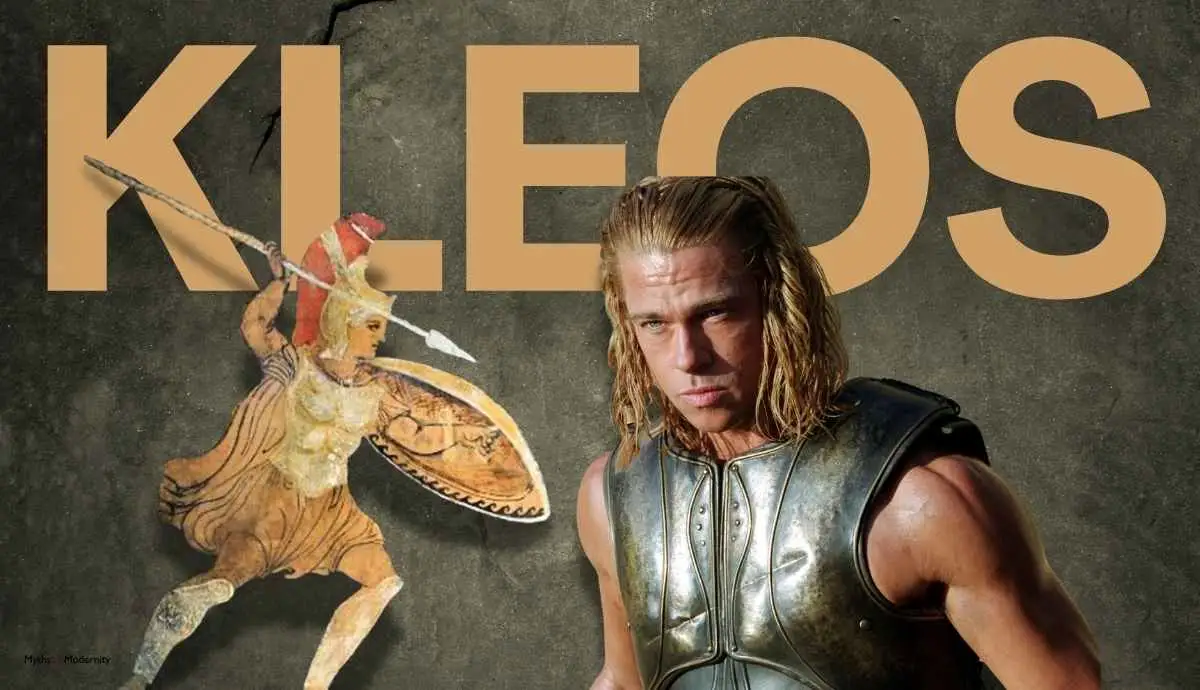
What Is Kleos? Ancient Greek Fame, Memory & Modernity
Kleos as good fame offered the only viable path to immortality in ancient Greece, and one, that in the Homeric epics (Odyssey and Iliad), was worth dying for.
Mar 24 - Antonis Chaliakopoulos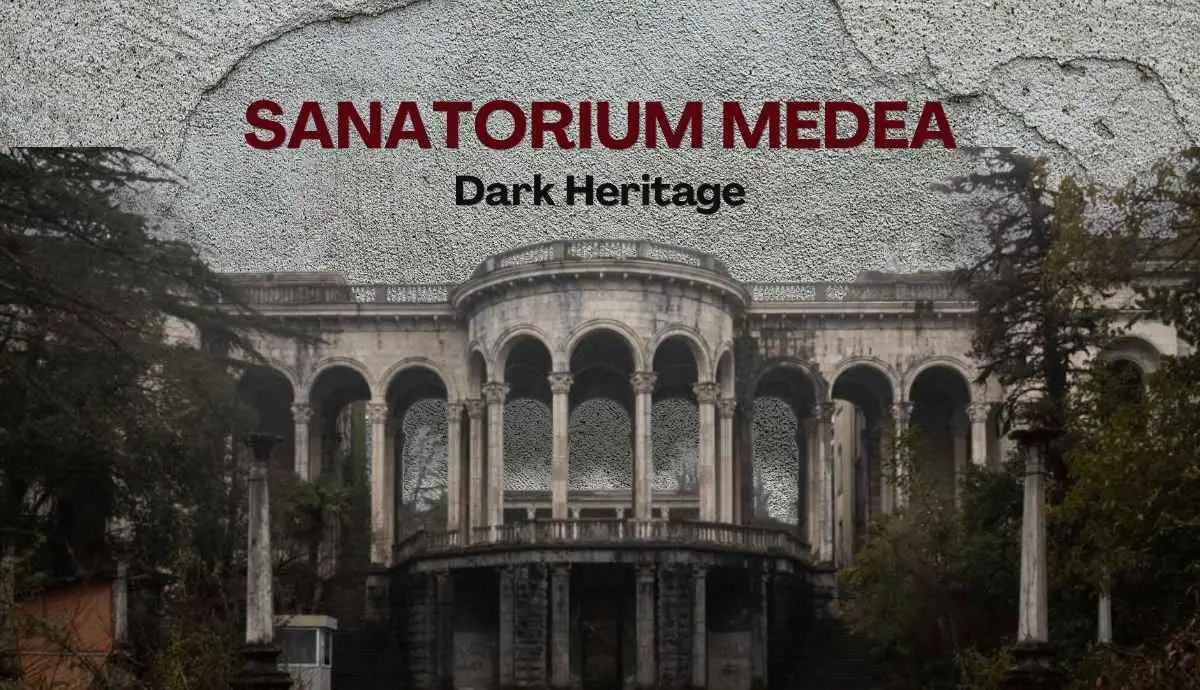
The Dark Heritage of Sanatorium Medea: Soviet Ruins in Tskaltubo
From a Soviet spa resort to a refugee camp, the Georgian town of Tskaltubo and its Sanatorium Medea is a prime example of dark heritage.
Updated Jul 3 - Antonis Chaliakopoulos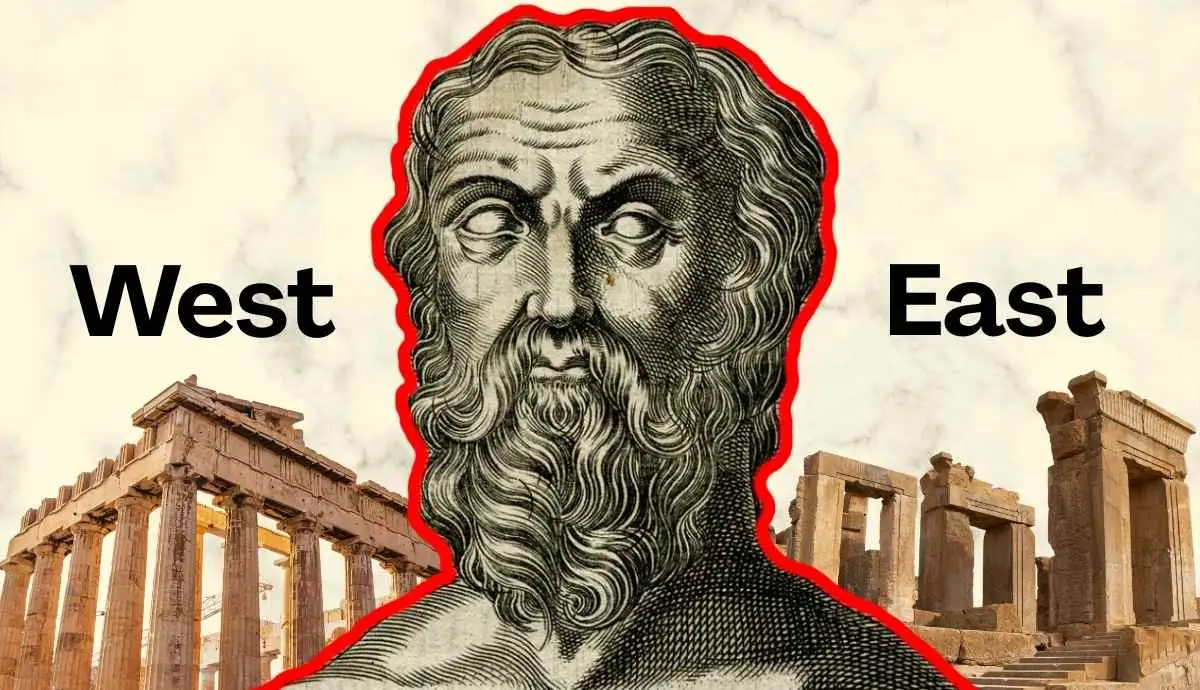
How Herodotus Invented the East vs. West Divide
Herodotus's History is considered one of the first texts in the history of orientalism. Is that true?
Updated Sep 7 - Antonis Chaliakopoulos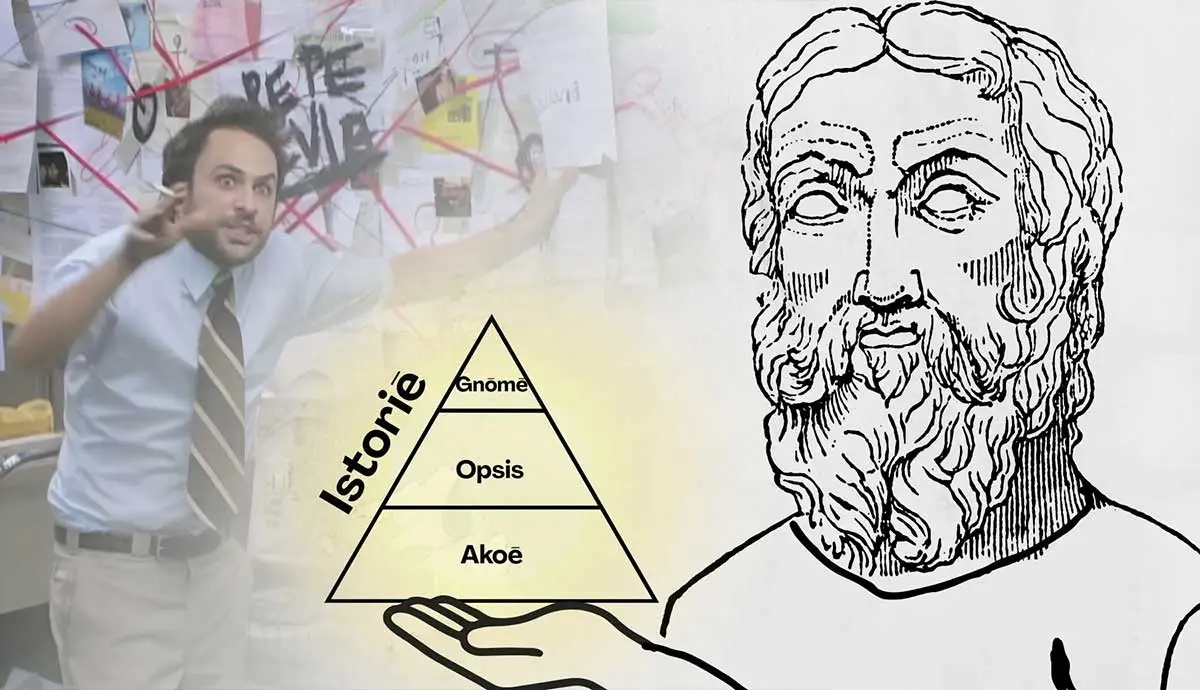
How to Use Herodotus' Method to Navigate the Misinformation Age
How Herodotus' 2,500-year-old skepticism can help us navigate the Misinformation Age today.
Mar 1 - Antonis Chaliakopoulos
Herodotus: How the Father of History Became the Father of Lies
Thucydides was not fond of Herodotus and Plutarch hated him. But why? In this article, we explore some of the arguments against the ancient Greek historian.
Updated Sep 4 - Antonis Chaliakopoulos
A Deep Dive Into Freud’s Uncanny (From Greek Mythology to Slenderman)
From ancient Greek myths of living statues to the modern anxiety of the Uncanny Valley and AI, explore why the familiar feels so frightening.
Feb 3 - Antonis Chaliakopoulos
The Social Role of Memory in the Work of Herodotus
Herodotus described his role as a historian as a twofold struggle against the “lapse of time” and “forgetting”.
Jan 20 - Antonis Chaliakopoulos