Is Aeschylus' "Persae" Sympathetic Towards Persians?
Was Aeschylus' "Persae" Greek patriotic propaganda or a sympathetic tragedy that approached the enemy with sensitivity?
Key Takeaways
- Aeschylus’ Persae portrays the Persian defeat at Salamis through the eyes of the grieving vanquished enemy.
- The play contrasts the wise Ghost of Darius with his son Xerxes, whose arrogant hubris led to the empire’s catastrophic downfall.
- Scholars debate whether the tragedy serves as patriotic Athenian propaganda or a more sensitive approach.
Imagine this. You are in ancient Athens watching Aeschylus' Persae. The tragedy shows the Persians lamenting for their loss at the battle of Salamis. Do you empathize with your enemy or loudly applaud his destruction? The question is trickier than it seems, but it is interesting.
So, what was Aeschylus' attitude towards the Persians in his famous tragedy?
Also read: The unexpected epigram of Aeschylus' tomb.
Quick Facts about Aeschylus' Persae
| Title | Persae (also Persians) |
| Author | Aeschylus |
| Date Performed | 472 BC (8 years after the Battle of Salamis) |
| Setting | Susa, the Persian Capital (not Greece) |
| Protagonist(s) | The Persian Queen Atossa, the Ghost of Darius, and Xerxes |
| Unique Factor | The only surviving Greek tragedy based on contemporary history |
Summary of Aeschylus' Persae
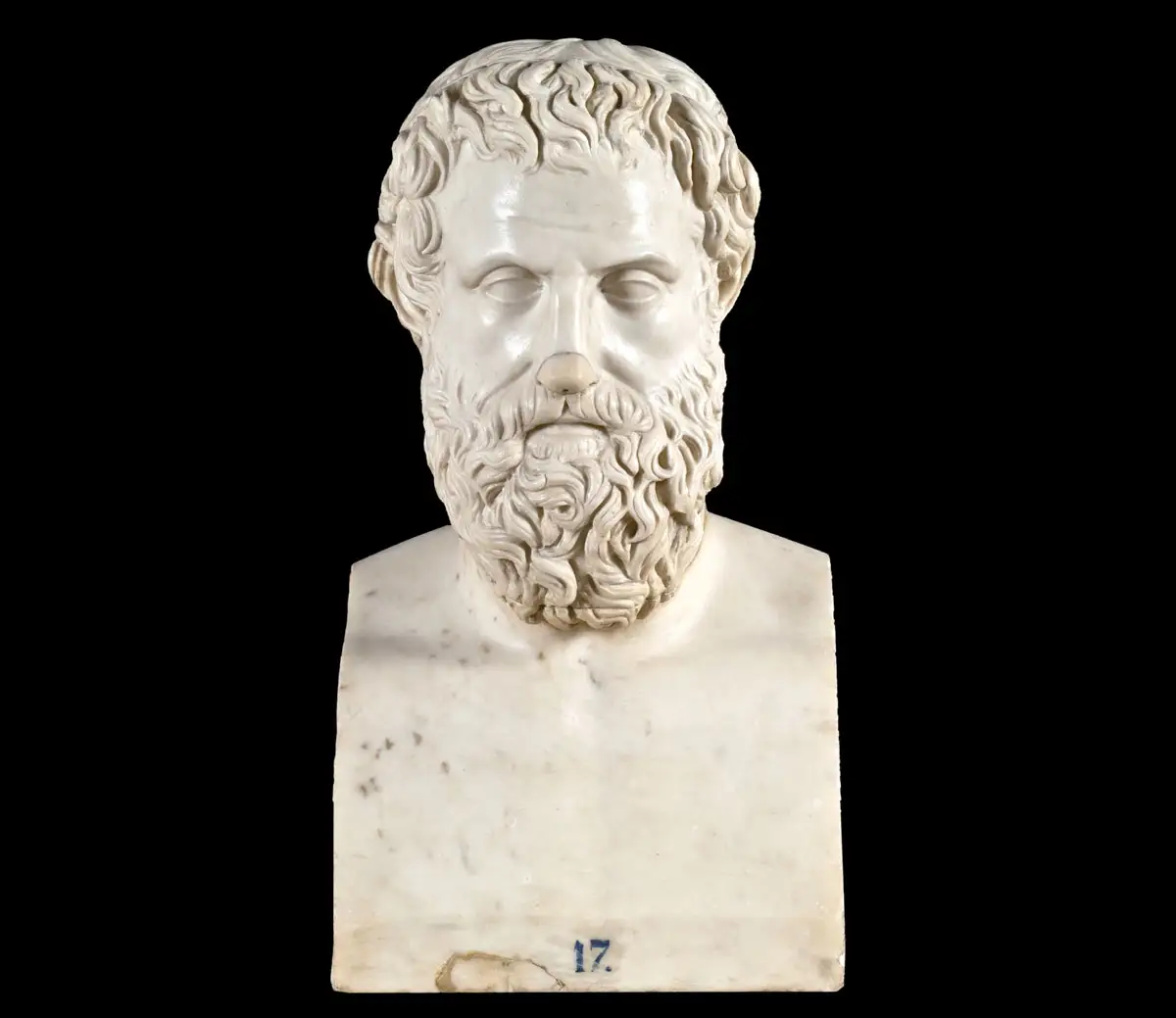
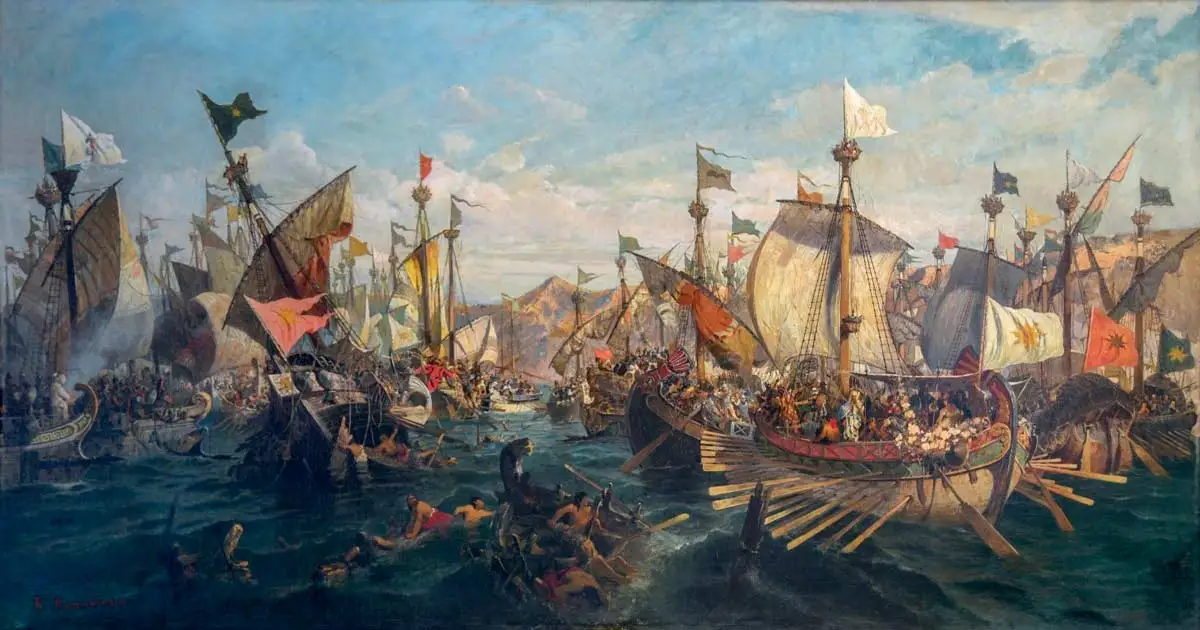
The play takes place in Susa and opens with the anxious waiting of the Persian Elders who form the Chorus and Atossa, the mother of Xerxes and wife of Darius. A Messenger arrives and delivers a detailed account of the Persian catastrophe at the naval battle of Salamis.
Atossa mourns the lost youth of the Persians who died in Salamis and laments for the decline of the empire at the hands of her son, Xerxes.
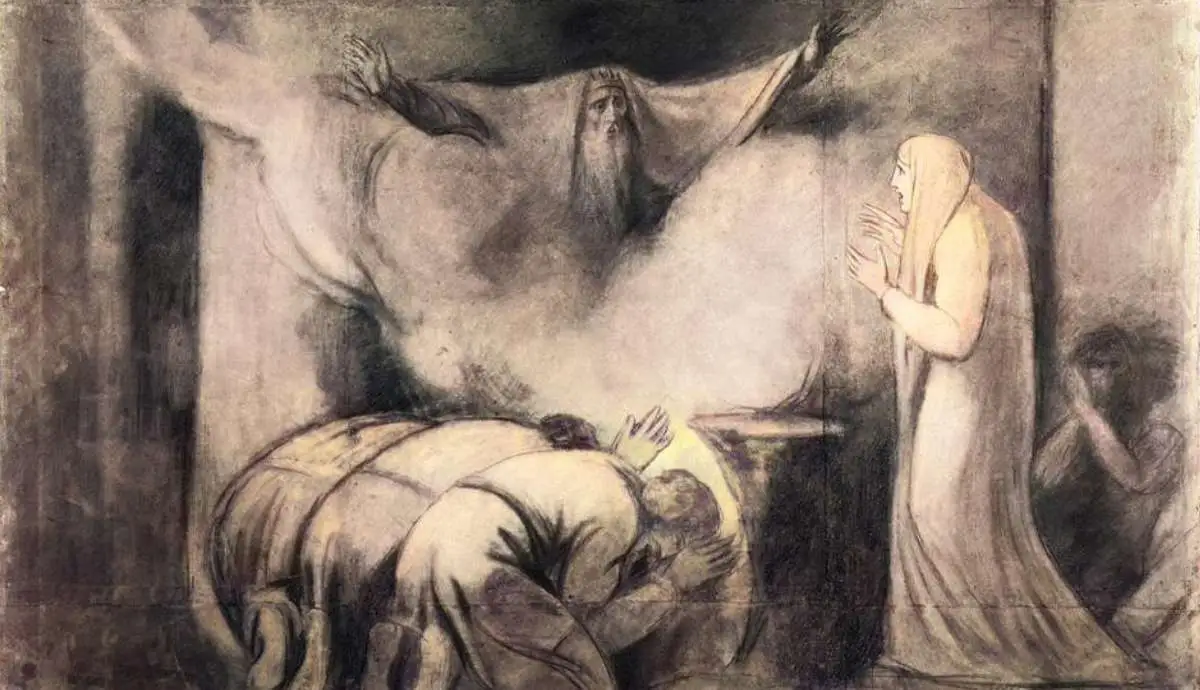
The Persian Queen then summons the Ghost of Darius, who is portrayed as a wise king in contrast to his son Xerxes, who committed hubris with his "sacrilegious" attempt to bridge the Hellespont with a bridge of boats.
The tragedy reaches its emotional zenith with the entrance of a broken Xerxes, whose presence leads the city into a ritualized lamentation signaling the collapse of Persian imperial dignity.
| QUICK SUMMARY |
| The play opens in Susa with the Persian Elders (Chorus) and Queen Atossa waiting for news of Xerxes’ invasion. |
| A messenger arrives with a harrowing, blow-by-blow account of the Persian catastrophe at Salamis. |
| Atossa summons the Ghost of Darius. He acts as a moral mirror, condemning his son’s recklessness. |
| A broken, tattered Xerxes enters. The play ends not with a Greek victory lap, but with a ritualized, communal lamentation for Persian loss. |
Key Aspects of the Tragedy
The fact that the play takes place at Susa and is told from the Persian point of view is a milestone, especially when written shortly after the battle of Salamis (480 BC).
By highlighting the great loss of life and the grief of the Persians, as well as Xerxes' appearance, which does not fit a king, Aeschylus evokes the audience's sympathy. The Persians are presented as victims of war; as humans suffering and not as demonized enemies.
Aeschylus presents the Persian King Darius as the "Ideal Persian." He is wise and restrained.
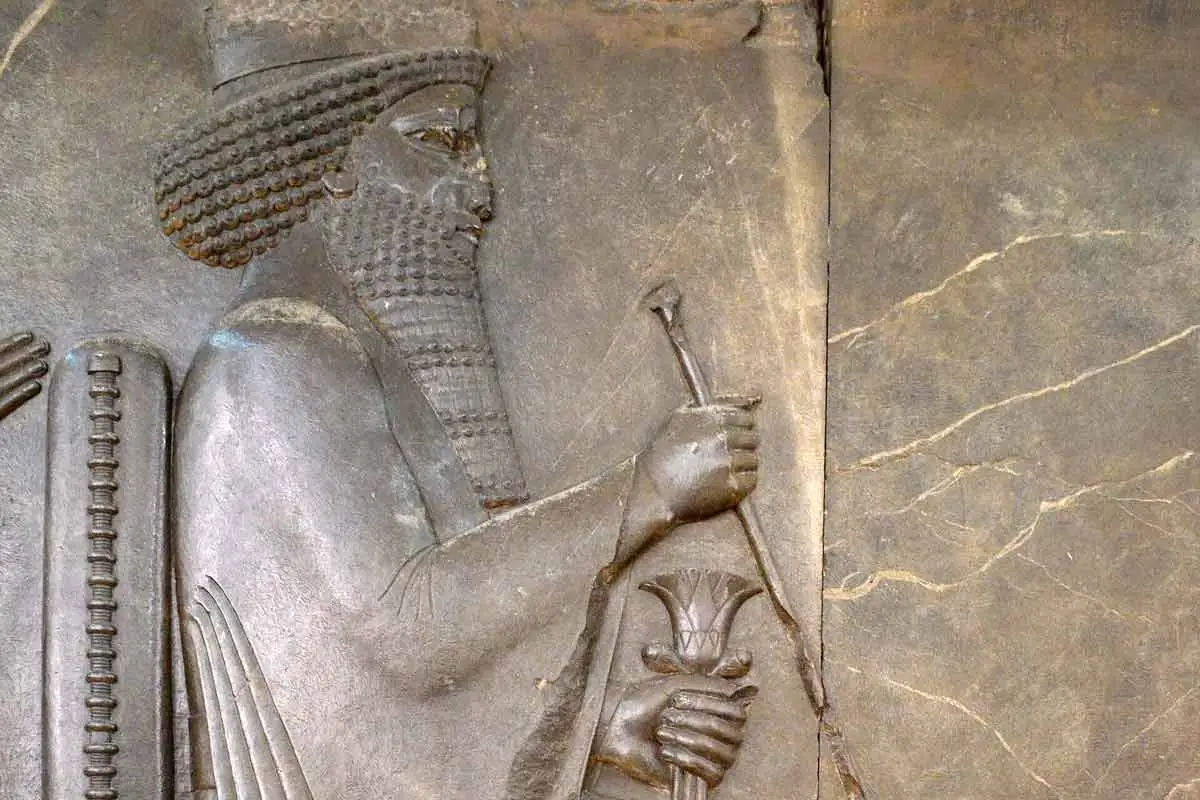
On the other end is Xerxes. He is the personification of hubris. He is blinded by power and disregards the laws of the gods when he treats the Hellespont like a horse that needd to be saddled when he bridges it. The sea will eventually get back to him at Salamis, when it becomes the tomb of the Persian youth who perish at the naval battle.
A big portion of the play consists of the Chorus’s lamentation. Perhaps the Greeks would have viewed the overly emotional wailing of the Persians as a distinctly "Barbarian" trait. The Greeks would typically see the barbarians as too sentimental and effeminate while themselves as moderate and manly.
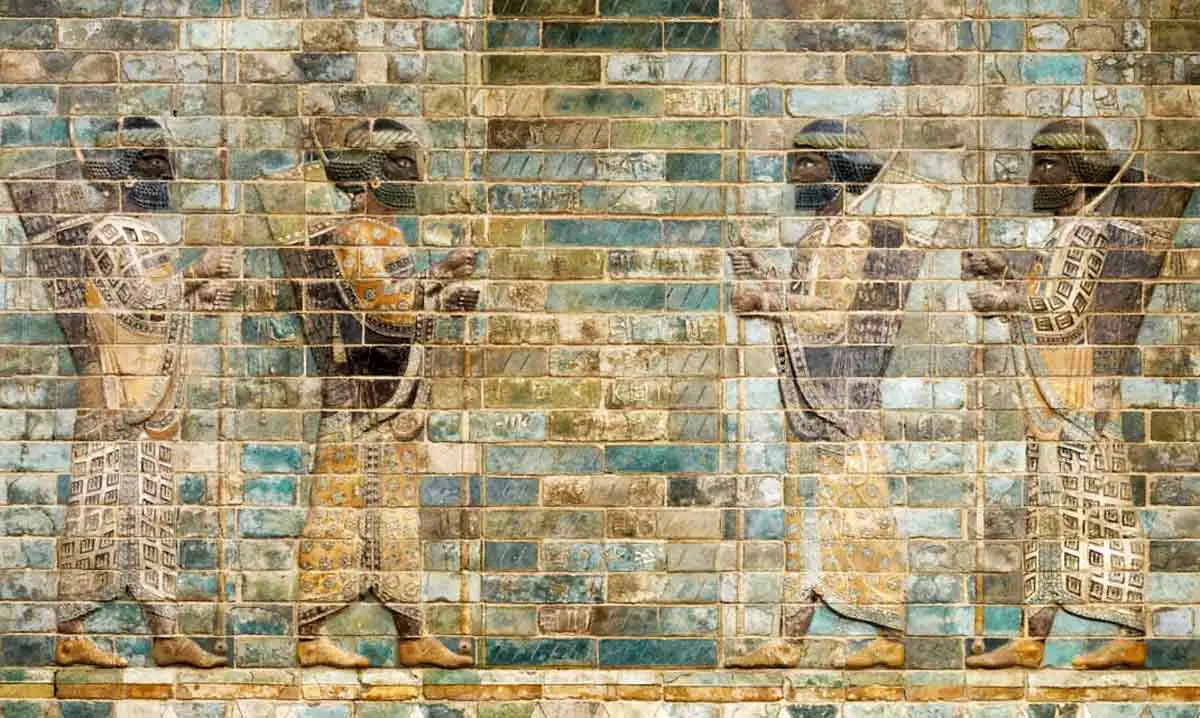
There is only one moment in the whole work that can be seen as directly encouraging a sense of "nationalist" pride, and that is the moment when the messenger relates the war chant sung by the Greeks as they charged the Persian fleet at Salamis:
"Oh, Son of the Hellenes! Free your native land. Free your children, your wives, the temples of your fathers' gods, and the tombs of your ancestors. Now you are fighting for all you have". Aeschylus Persians
The Two Schools of Thought
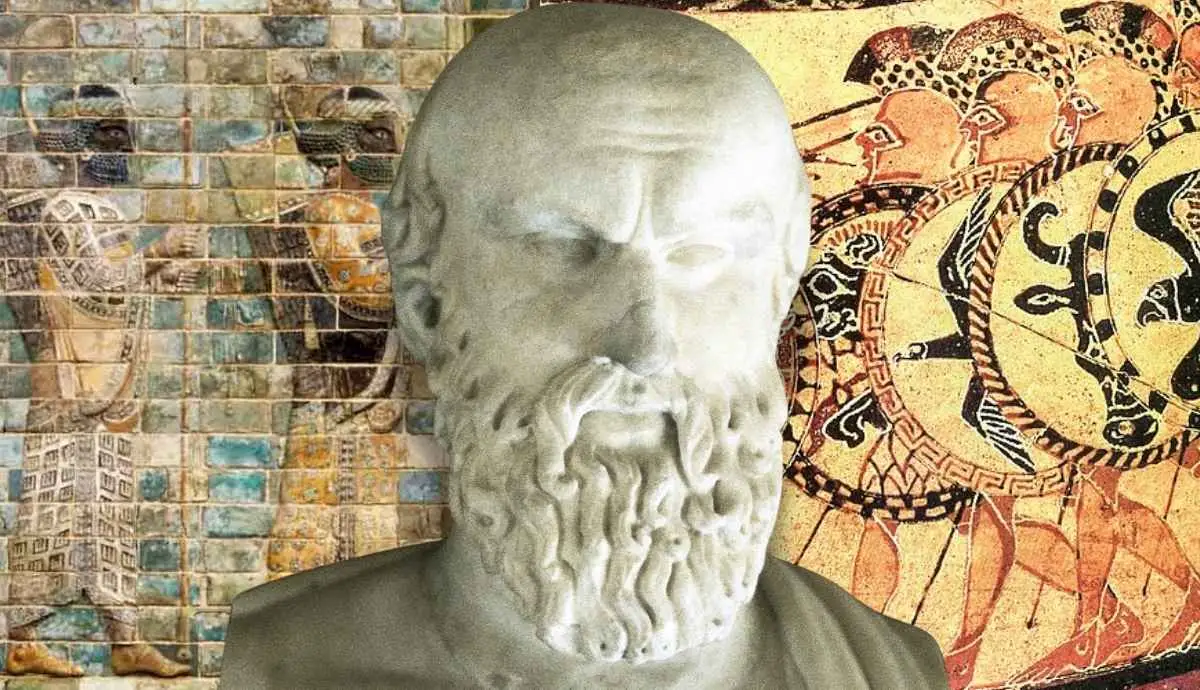
According to Edith Hall's Inventing the Barbarian (1989), scholars are typically divided into two camps.
| Aspect | School 1: Patriotic Propaganda | School 2: Sympathetic Tragedy |
| Intent | To celebrate the Greek triumph over the "Barbarian" East. | To investigate the universal nature of suffering and hubris. |
| View of Persians | Effeminate, emotional, and naturally "slavish" compared to Greeks. | Human beings caught in the gears of a tragic, failed leadership. |
| The "Barbarian" | A negative mirror used to define what it means to be a Greek. | A stylistic choice that highlights the "otherness" without dehumanizing. |
| Audience Reaction | Cheers of "Nationalist" pride and laughter at the enemy's wailing. | Katharsis (pity and fear) for a fallen superpower. |
1. Patriotic Propaganda
Aeschylus' work is patriotic propaganda, written from a Greek perspective that praises the fatherland's accomplishments and triumph against the Persian army.
According to this view, Aeschylus implies that the barbarians are "luxuriant and materialistic, emotional, impulsive, and despotic, and therefore especially liable to excess and its consequences" (Hall 1989, 71). The Persians want to conquer Europe and transcend the boundaries of their Asiatic domain thus commiting a hubris and losing to the freedom-loving Greeks.
2. Sympathetic to Persians
The majority of contemporary scholars see Persae as a tragedy that approaches the Persians with a sympathetic gaze. This view emphasizes how Aeschylus portrays Darius as a wise king who was succeeded by an irresponsible heir, Xerxes, that led to a tragic loss of life at Salamis. The Persians who form the chorus, are the true, collective hero of the tragedy.
Orientalism in Aeschylus' Work
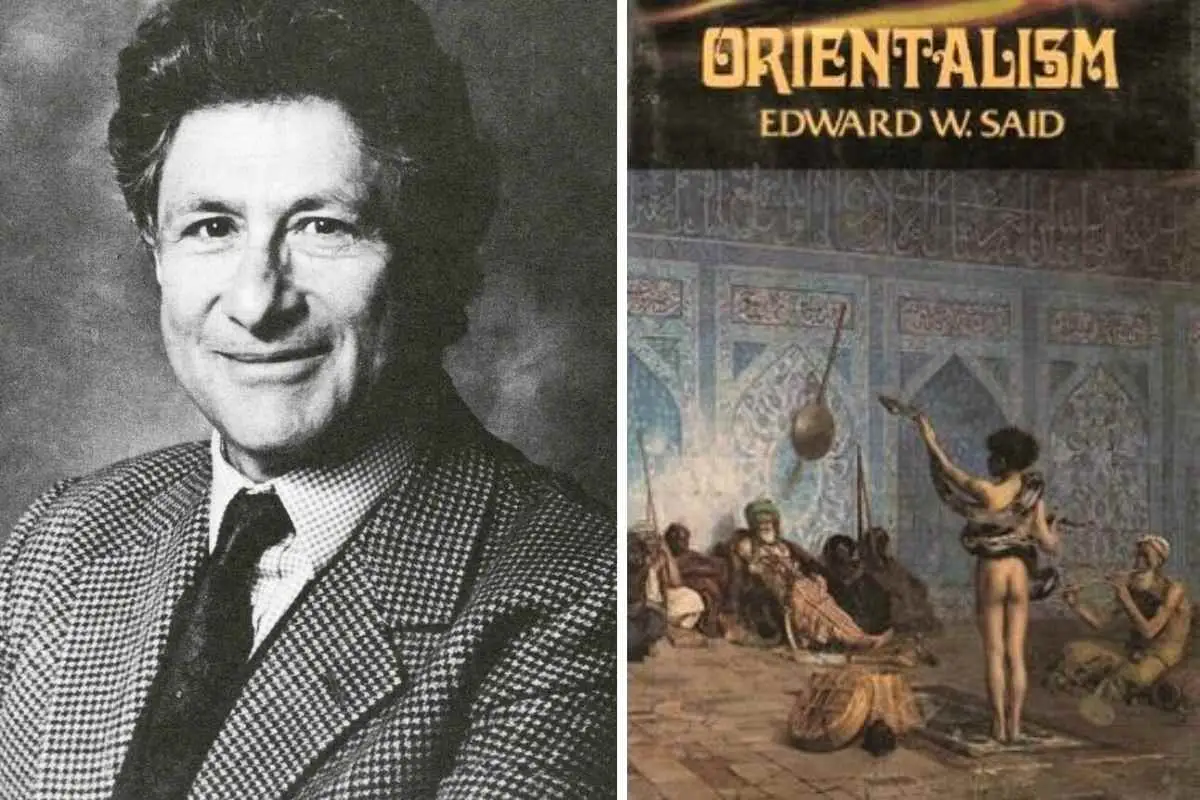
For Hall, Aeschylus' work is "the first unmistakable file in the archive of Orientalism" (1989, 99), a term that was used by Edward Said to describe the way the so-called West (Occident) has depicted the East (Orient) as a dangerous, emotional, exotic "Other". You can learn more about this in my article about Herodotus and Orientalism.
Hall lists multiple ways in which Aeschylus orientalizes the Persians (through language, religion, politics, ethnography, and behaviour) thus establishing a firm distinction between the barbarian and the Greek.
In this view, an important aspect of the tragedy is to construct the Persians as the barbarian Other of the Athenians. That other is not perceived as uncivilized. Besides the Persians were more advanced in multiple areas.
However, the Persians are depicted as more sentimental, as disrespectful of the laws of nature and gods, leading to hubris, and loving excess and luxury.
Conclusion
Even if we do not like this, the truth is that we cannot travel back to the 5th century BC and attend Aeschylus' Persians to witness how the audience reacted or ask Aeschylus what he wanted the audience to think.
Still, we can argue that Aeschylus was much more sensitive when he approached the enemy that almost destroyed his city than one would have expected.
Note for Greek readers: This article was mentioned in the epilogue of a (very) interesting article connecting contemporary politics, orientalism, and recent politcally-motivated metal music on rocking.gr.
Bibliography
- Hall, E. (1989). Inventing the barbarian: Greek self-definition through tragedy. Clarendon Press.
- Said, E. W. (2003). Orientalism. Penguin Books.