How Herodotus Invented the East vs. West Divide
Herodotus's History is considered one of the first texts in the history of orientalism. Is that true?
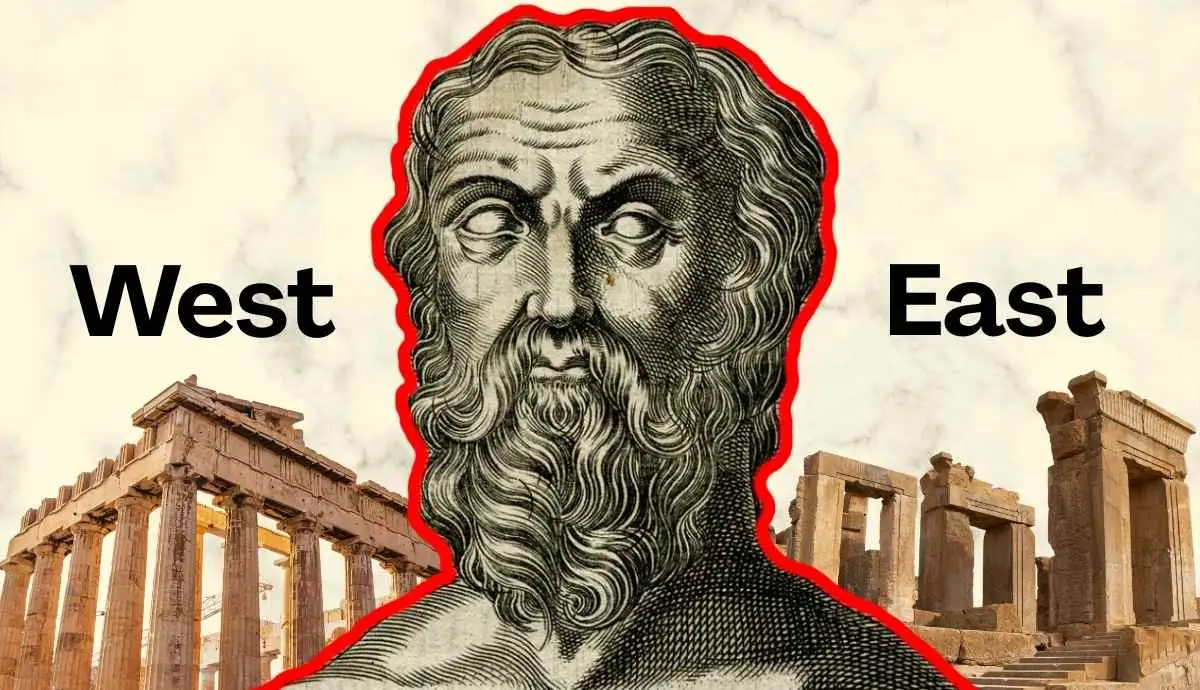
Key Takeaways
- Herodotus defined the "free Greek World" as the opposite of the "despotic East".
- This is one of the first cases of what Edward Said called Orientalism.
- Binaries such as "West vs. East" and "Us vs. Them" still drive modern rhetoric.
Have you ever considered why we refer to certain countries as "the West"? Most civilizations identifys as the world's center, but the so-called "Western World" situates itself on the other end of an "Eastern World". It's certainly strange if you think about it.
While this concept goes back to the Roman Empire's division into two halfs (the West governed by Rome and the East by Constantinople), the narrative of a "free" West associated with Europe and a "despotic" East associated with Asia traces back to the father of history himself, Herodotus of Halicarnassus.*
Herodotus of Halicarnassus
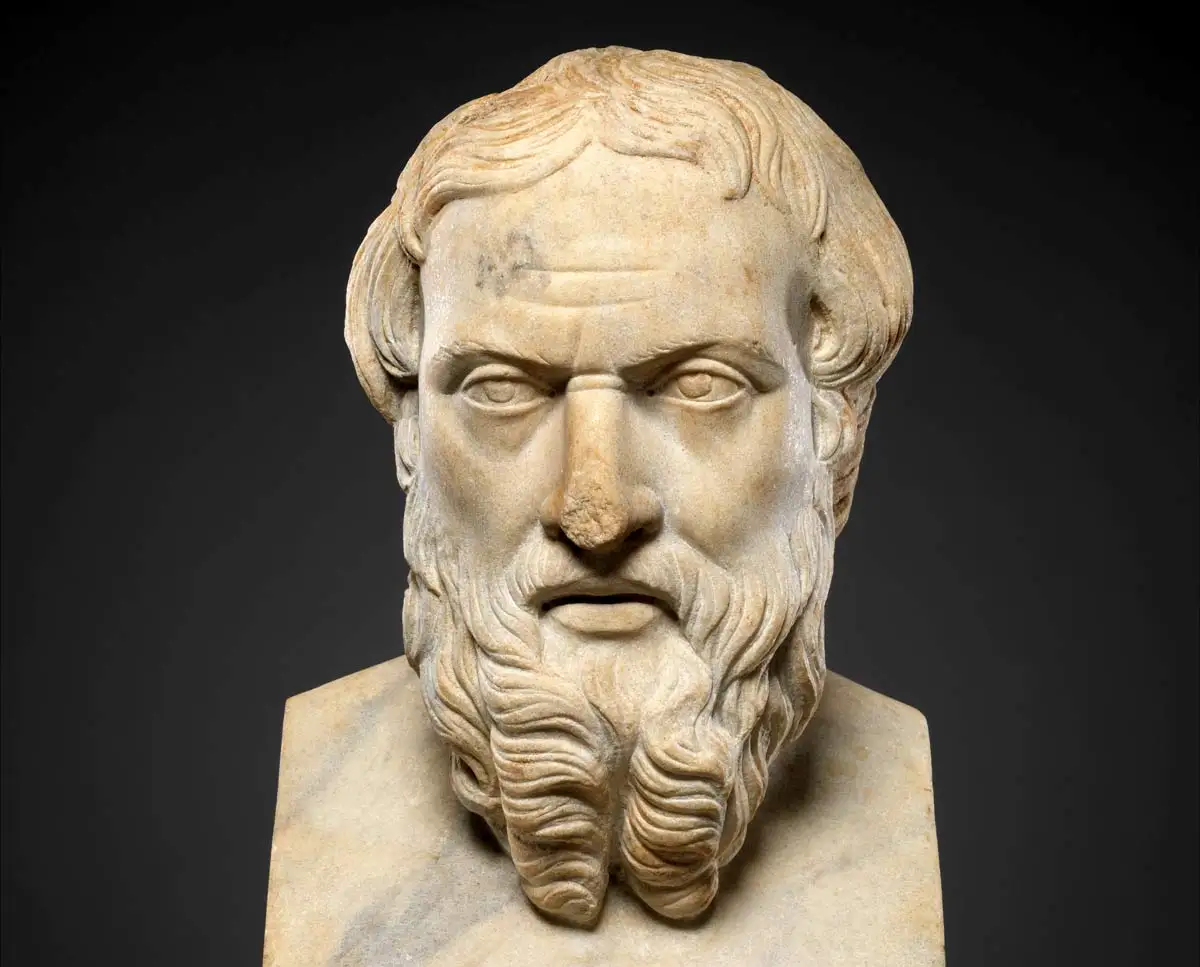
Known as the "Father of History" (and occasionally the "Father of Lies"), Herodotus wrote the world's first historical treatise sometime in the 5th century BC. His focus were the Greco-Persian Wars, the conflict between Greek city-states and the Persian Achaemenid Empire.
The ancient Greek historian went beyond recording the events of the war. What he did was a inquiry; an inquiry into the cause of the conflict between Greeks and Persians.
His research led him to one answer. The Greco-Persian war was the latest in a series of disputes between Greeks and Eastern barbarians; a series of conflicts that stretched all the way back to the realm of Mythology.
What Herodotus saw was two civilizations in constant opposition. Two worlds that shared a lot but also differed a lot.
Herodotus's Admiration for the Persians
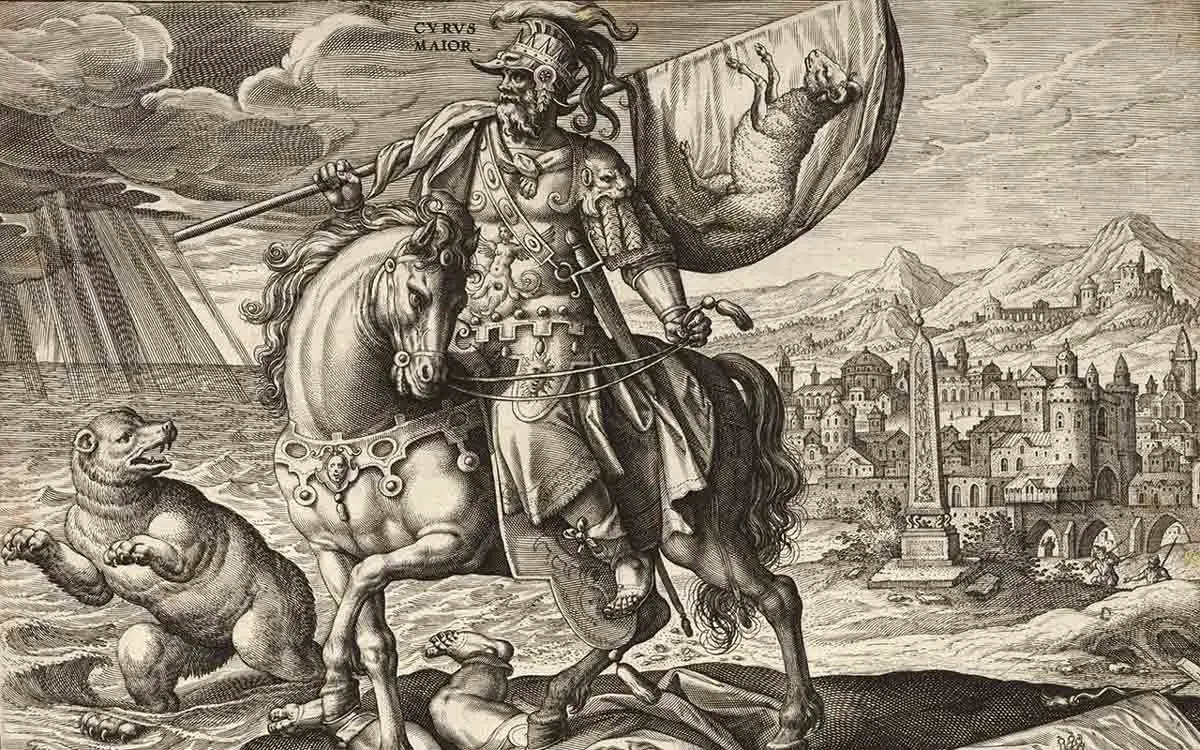
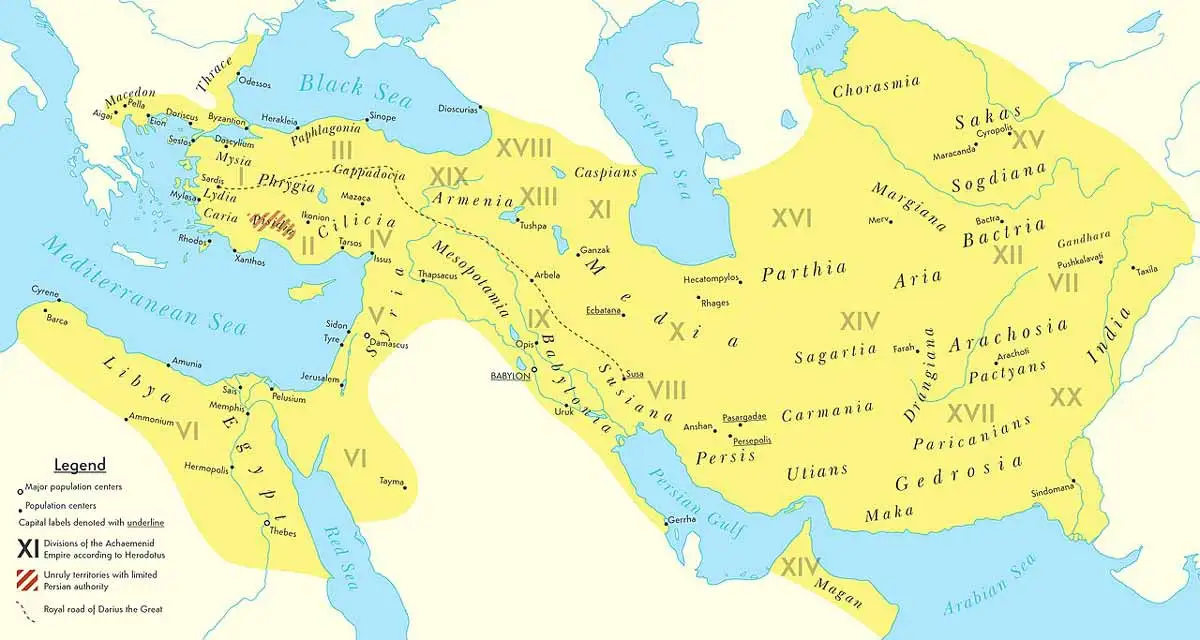
In the 5th century BCE, the Achaemenid Persian Empire was the undisputed superpower of the world The vast empire stretched from the Indus Valley to Egypt.
Herodotus admired the Persians, and especially Cyrus the Great for managing to rule over the disparate people inhabiting the empire and foresee difficulties. He famously wrote that
"[the Persians] educate their children... in three things only, in riding, in shooting, and in speaking the truth." (1.136).
He also said that the Persians lost at Plataea because they were lightly armed, yet they fought just as bravely as the Greeks.
"in courage and in strength the Persians were not inferior to the other" (9.62)
For things like this, future authors, such as Plutarch, called Herodotus "philobarbaros" (friendly towards barbarians).
The Persians as a Threat
Herodotus also treated the Persians and all the Eastern non-Greek peoples (or as he called them, barbarians) as a completely different world.
The East was always eager to bow at monarchs, while the Greeks were free and used to their own political systems where the polis (city), the so-called city-state, and not the kingdom or the empire served as their prefered political unit.
The East was developed, perhaps too developed for its own good, observed Herodotus. Luxury had turned the Eastern barbarians into effeminate, while the Greeks were manly and strong. Or so did the Greeks (and Herodotus among them) believed.
Of course, in reality, the Persian Empire was much more tolerant than most empires, while the Greeks's love for freedom is not identical with the way the modern world perceives the term. What the Greeks appreciated the most was the ability to govern themselves (autonomia), but had no issue with enslaving whole cities or creating despotic empires of their own (as the Athenians tried with Delos).
Legacy: Romans, Crusaders, and Beyond
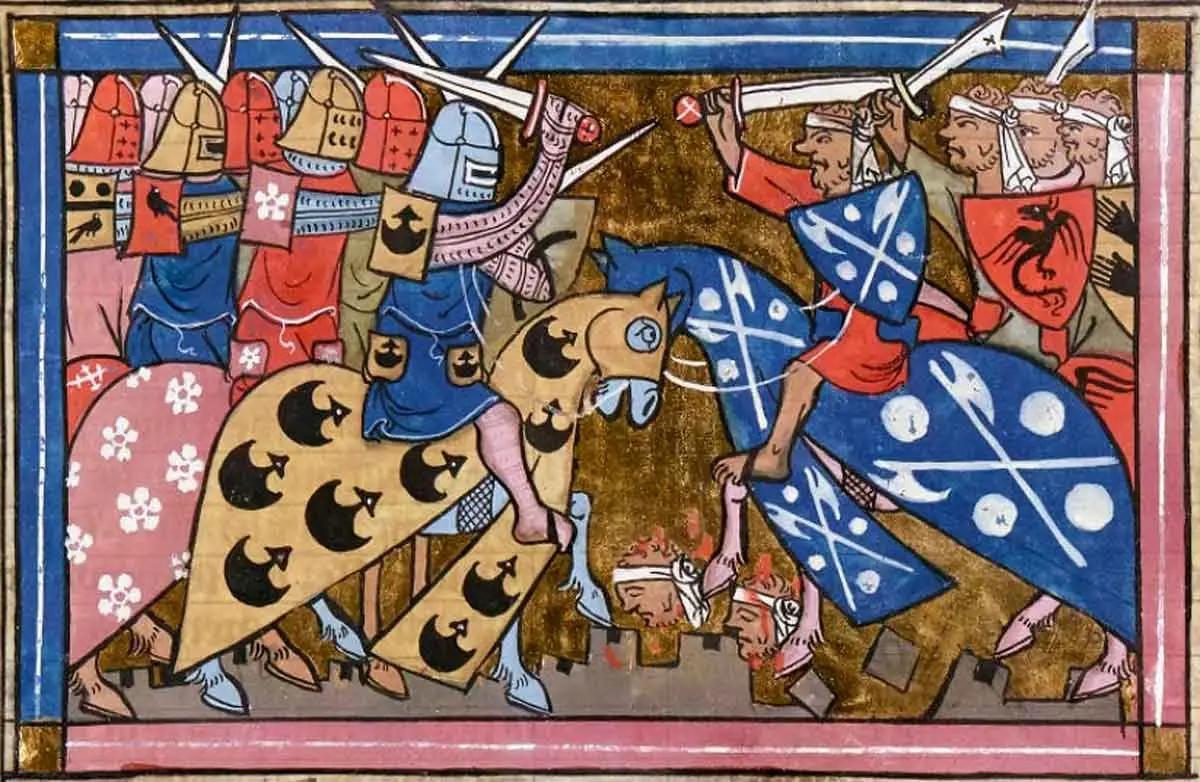
So, Herodotus in his work the East, as the ultimate Other of the Greek world. A world that was at once foreign, appealing, and threatening.
Over the next two millennia, Western elites used Herodotus to make sense of their place in history.
For example:
- The Romans inherited the Greek worldview and found their "sworn enemies" in the Parthians and later the Sassanids of Iran.
- The Crusaders found their own "Other" in the Arabs and, later, the Ottoman Turks. The rhetoric remained remarkably consistent: a civilized, this time Christian West defending itself against an exotic, Islamic East.
- The Enlightenment: Various thinkers of the 18th century, like Montesquieu, used the concept of "Oriental Despotism" to critique their own monarchies, further cementing the idea that the East was the natural home of tyranny.
Herodotus and the Archive of Orientalism
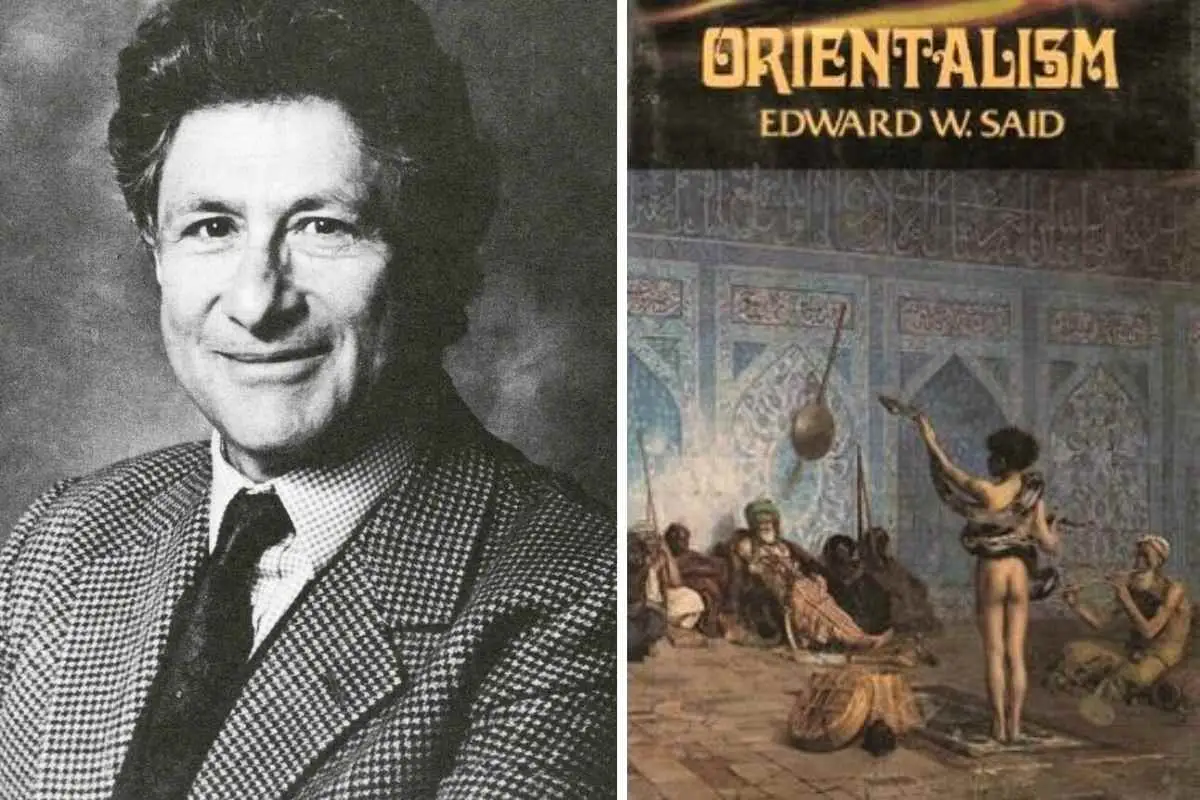
In 1978, the scholar Edward Said published his landmark work, Orientalism. He argued that the West depicts Eastern cultures as fundamentally foreign, exotic, alluring, and dangerous. This "Orientalism" isn't a true reflection of the East, but a tool, or rather a whole discourse, used by the West to justify its own dominance.
Edith Hall (1989) and Thomas Harrison (2022) have referred to Herodotus's History and Aeschylus's Persians as some of the "first files in the archive of orientalism."
Truly, Herodotus was the first step toward a narrative founded on binaries:
- Civilized vs. Barbarian
- Free vs. Despotic
- West vs. East
According to Hall, the Persian Wars essentially birthed this divide between West and East, a divide that did not exist in this form before.
Do Not Blame Herodotus!
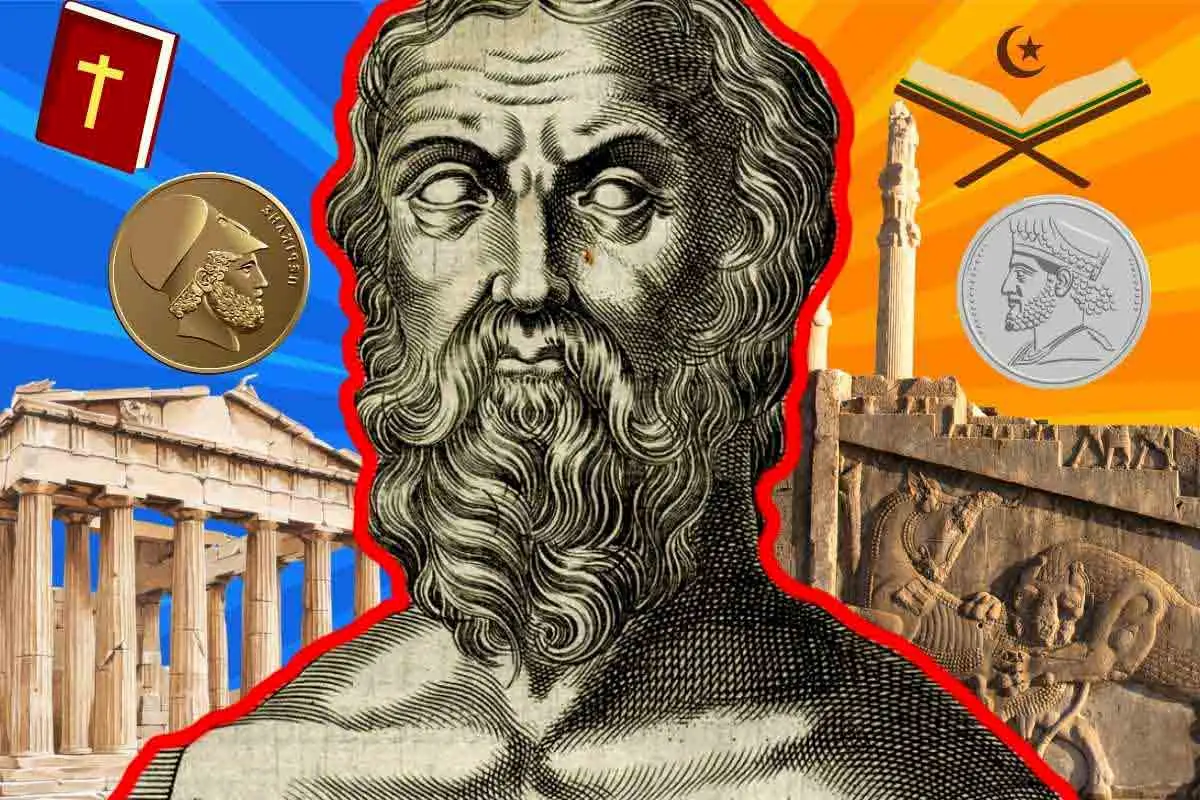
If you think this is all ancient history, look at the political rhetoric of the past 25 years. Every time the West is about to go to war with someone not sharing the same cultural values, the same binaries return.
- Us vs. Them
- West vs. East
- Democracy vs. Dictatorship
- Freedom vs. Despotism/Oppression
The legacy of the West-East divide remains alive in such binaries separating the West from the Other. But who exactly is this Other today?
Sometimes it is found in the Middle East and sometimes in the Far East. Sometimes in Iraq and Yemen and others in China and North Korea. Previously it was found in communist Vietnam and recently in Islamic Iran.
One big difference though is that when Herodotus wrote about the Persians, he genuinely tried to understand them. Even if he didn't avoid some obvious pitfalls, he did try. He also did hold his enemy on a high pedestal. His respect for the civilizations lying to the East of the Greek World was genuine.
Today, the West takes it's perceived superiority for granted and often boasts to a natural right to "civilize" (even though this word is not explicitly used) the others through various means that can extend to "justified" wars.
For this, we cannot blame Herodotus. Because, come on. The man lived 2500 years ago... let's cut him some slack.
If we are looking to blame someone, colonial and imperial ideas are much better candidates, but that is a topic for another article. For now let's just take some time to appreciate the fact that a man who lived 2500 years ago was able to recognize that even his enemies were humans. And, that even if their differences were perceived to be unbridgeable, Herodotus could look to the East to see things that he liked and things that he respected.
For the Greek historian, the Other was not worth-eliminating or worth-assimilating. It was worth understanding.
Perhaps we could learn one thing or two from him.
*For our Greek-speaking readers, I have also explored how these concepts of Orientalism and the East-West divide apply to modern political rhetoric in my recent article for HuffPost Greece: «Κλέος Άφθιτον» και το Φαντασιακό «Άλλο» της Ανατολής.
Bibliography
- Hall, E. (1989). Inventing the barbarian: Greek self-definition through tragedy. Clarendon Press.
- Harrison, T. (2022). Herodotus' Perspective on the Persian Empire. Electrum, 29, 11–30.
- Said, E. W. (2003). Orientalism. Penguin Books.