Herodotus: How the Father of History Became the Father of Lies
Thucydides was not fond of Herodotus and Plutarch hated him. But why? In this article, we explore some of the arguments against the ancient Greek historian.
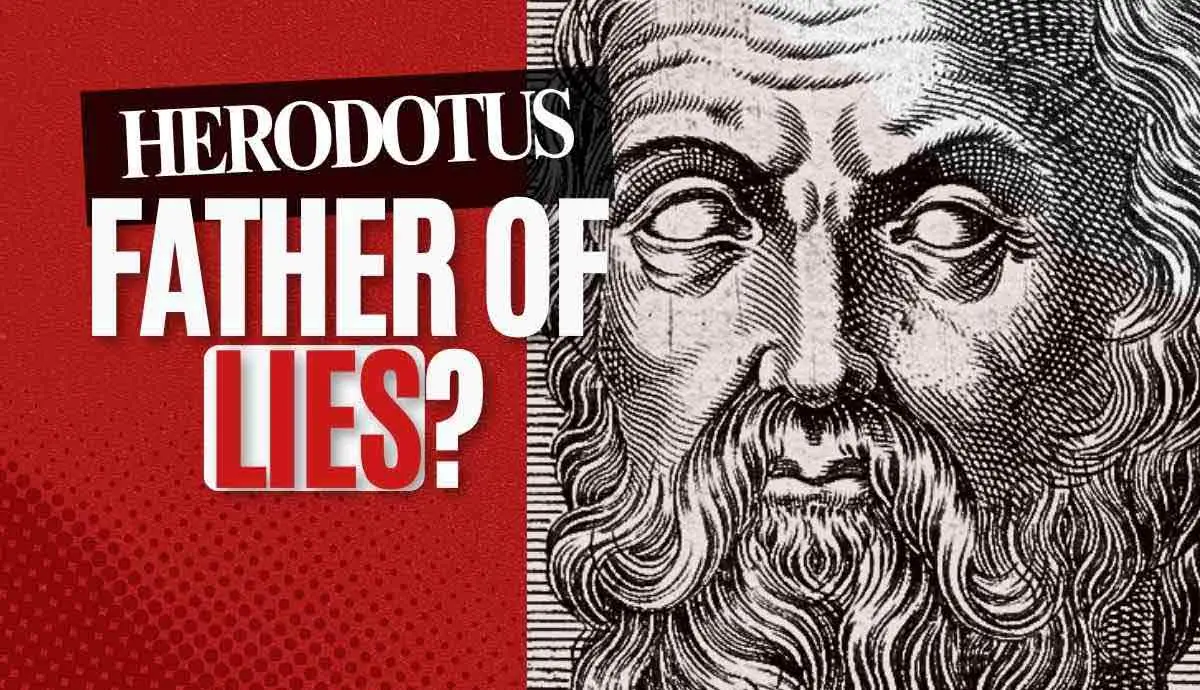
Summary: The Father of Lies vs. The Father of History
- Plutarch accused Herodotus of fabricating stories, leading to the nickname "The Father of Lies" (mendaciorum patrem).
- Unlike his successors, Herodotus practiced historiē (inquiry), recording what he was told without always endorsing its truth.
- A Spanish humanist named Juan Luis Vives (1493–1540) first called Herodotus the "father of lies".
Herodotus of Halicarnassus is widely known as the 'Father of History' for his work that recorded the Greco-Persian Wars. The ancient Greek historian's work included tales and myths of all sorts, as well as an accessible language that often prioritized entertaining tales over accuracy. These traits were seen as weaknesses by critics (primarily Plutarch) who debated Herodotus's credibility. A Spanish humanist named Juan Luis Vives (1493–1540) called Herodotus the "father of lies" and the name stuck.
Herodotus vs. Thucydides: Two Paths to Truth
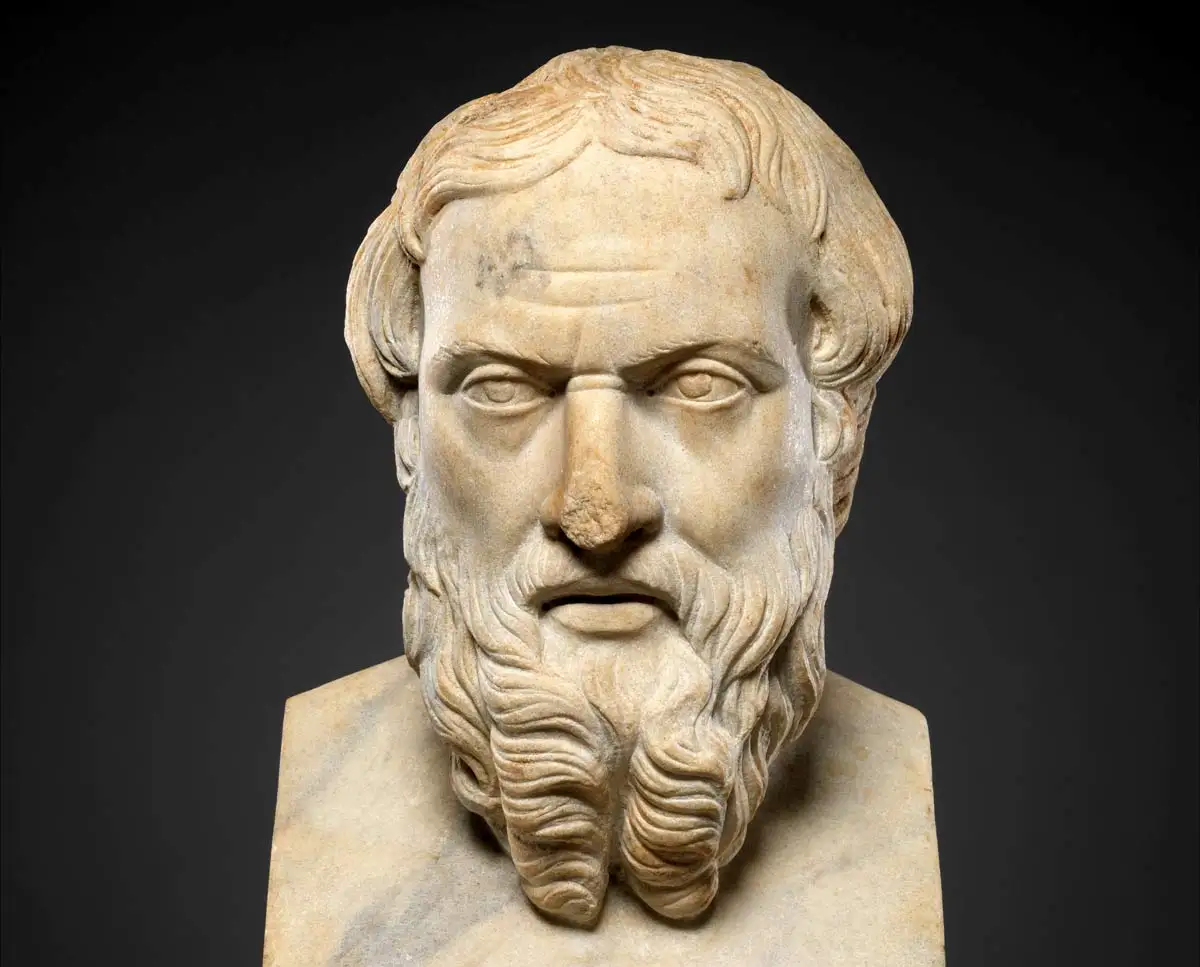
Soon after Herodotus wrote his History to keep the Persian Wars' memory intact, Thucydides wrote his history of the Peloponnesian War.
In his first chapter, Thucydides laid down the fundamentals of a historian’s job.
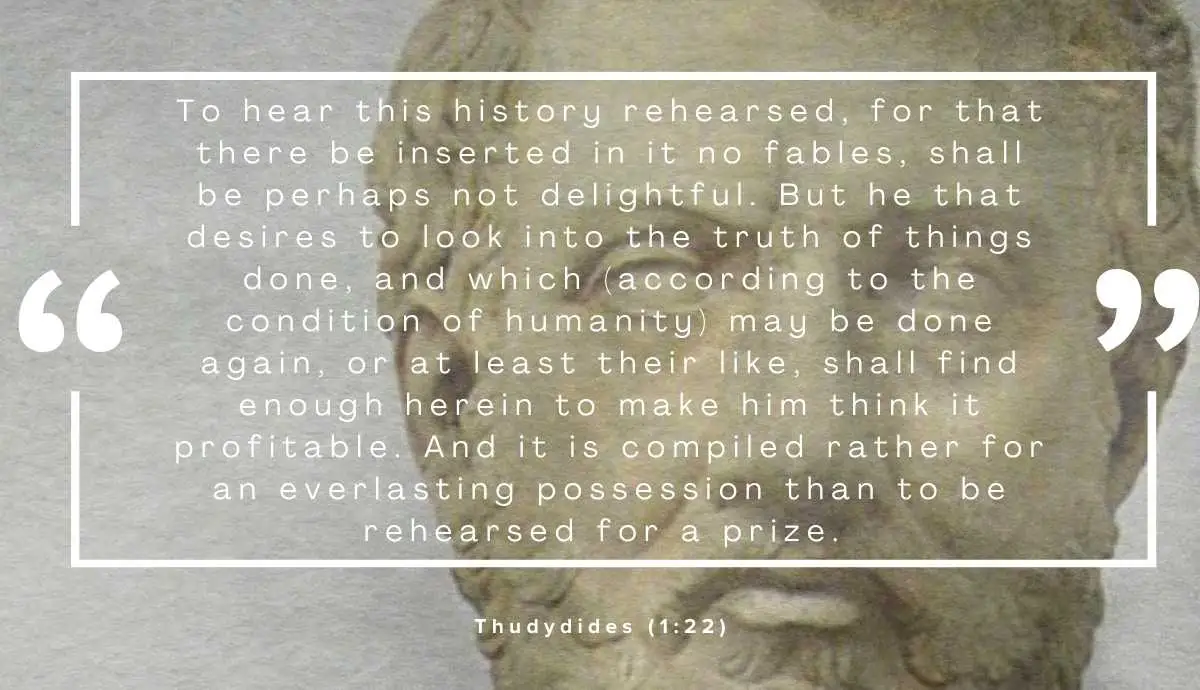
Even though he did not mention Herodotus by name, we can clearly see him in Thucydides’ words when he states that a historian's role is not to insert fables and make the narration pleasant but "to look into the truth of things" (1:22).
Essentially, the difference between Thucydides and Herodotus is that of two different approaches to history and war. Herodotus’ is a sort of cultural history while Thucydides’ a political one.
- Herodotus presents the war between Greeks and Persians as a clash of civilizations where customs and culture play a pivotal role in a history of revenge and personal grudges.
- Thucydides views war as a result of power politics. Athens goes to war against Sparta as one rising power fights against the established imperial power.
Thucydides signalled a break from a previous tradition. The next historians would mostly side with Thucydides but no one would do more harm to Herodotus’ fame than Plutarch.
Plutarch's "Of Herodotus' Malice"
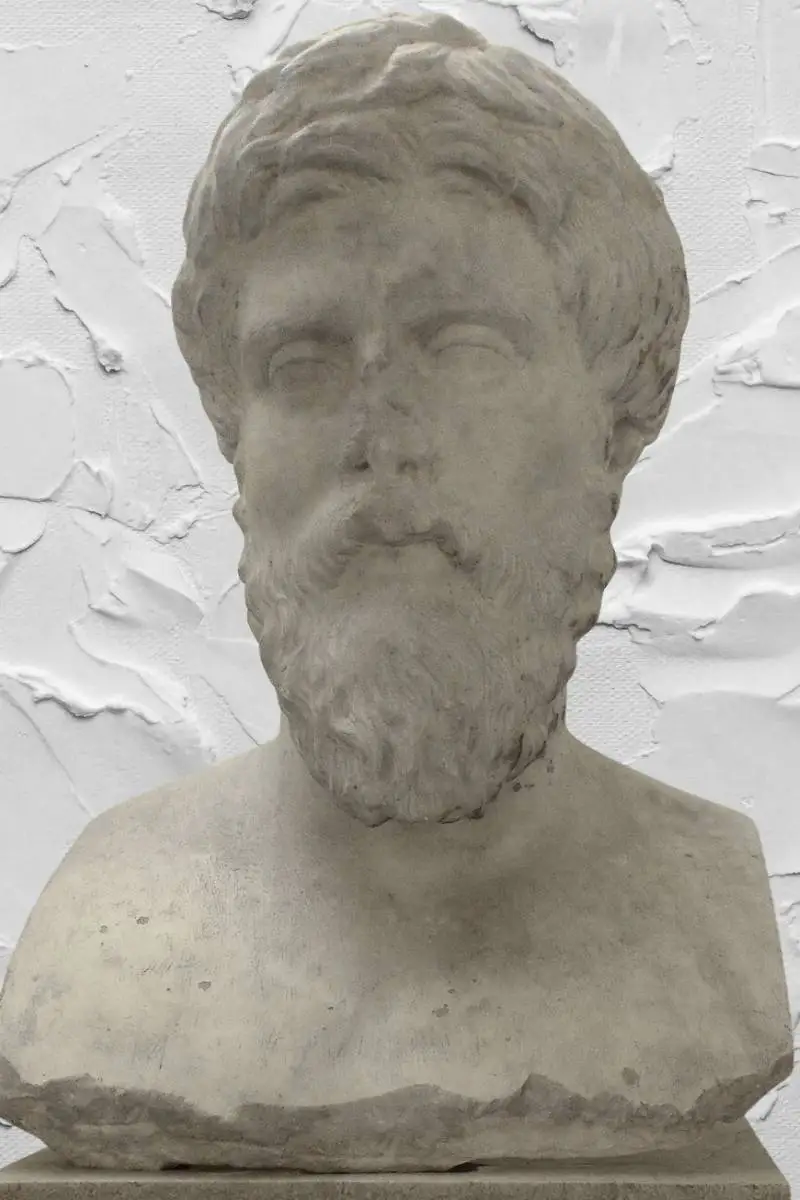
From the Hellenistic period onwards, Herodotus’ work was routinely attacked by various authors who sought to expose Herodotus as an entertaining liar.
A series of essays against the Greek historian were written since then. Notable examples include Against Herodotus by Manetho, On Herodotus’ thefts by Valerius Pollio, On Herodotus’ lies by Aelius Harpocration, Against Herodotus by Libaniu, and Of Herodotus' Malice by Plutarch. Of all these, only Plutarch’s survives today.
In Of Herodotus' Malice, Plutarch, a Greek historian of the first AD century, listed a series of arguments against the credibility of Herodotus' works.
Plutarch presented Herodotus as sort of a sophist, a dishonorable individual who only cared about making his narration engaging while caring little about actually preserving the truth.
Plutarch claims that when presented with two versions of a story, Herodotus would choose the one that would evoke the strongest emotional responses from his audience or assume that the worst case is closer to the truth.
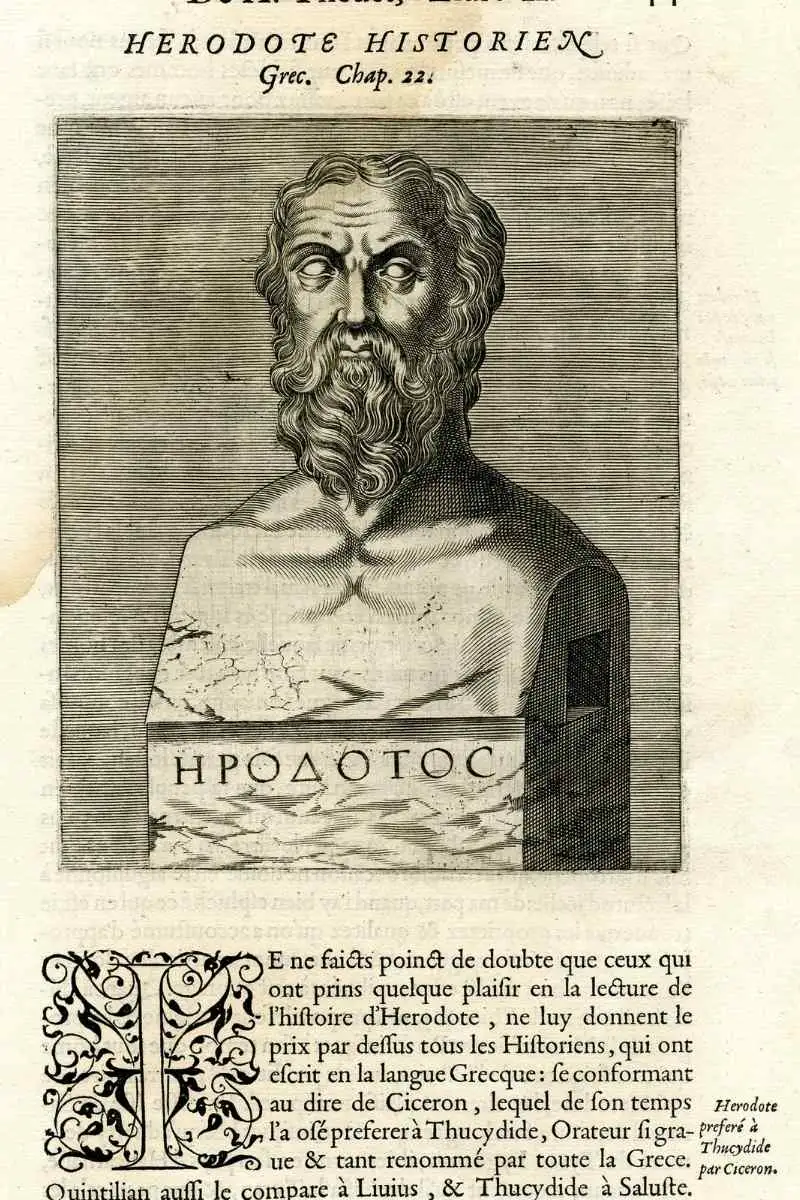
Reading Plutarch’s essay, one clearly sees that he really despised Herodotus. Even when he recognizes Herodotus’ style “as being simple, free, and easily suiting itself to its subject”, his intention is not to compliment.
“it is also the highest malignity, to pretend to simplicity and mildness and be in the mean time really most malicious.”
So, for Plutarch even the positive aspects of the Herodotean work are meant to deceive and distract from the fact that personal fame, and not historical accuracy, is what Herodotus cares for the most. His main complaint is that Herodotus’ history is so well-written that people actually read it and even like it without caring for its weaknesses.
But Why Did Plutarch Hate Herodotus?
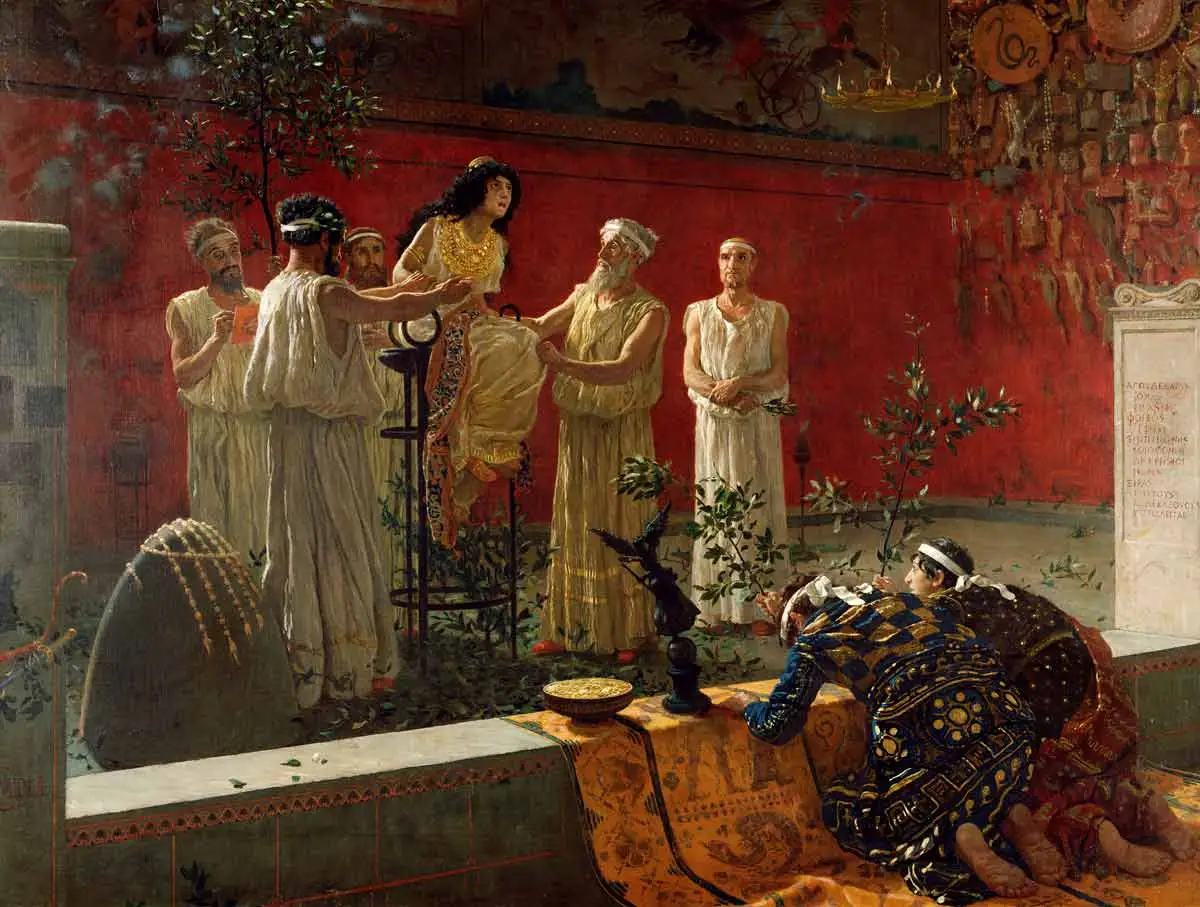
The motivation was personal nonetheless.
Now since he principally exerts his malice against the Boeotians and Corinthians, though without sparing any other, I think myself obliged to defend our ancestors and the truth against this part of his writings, since those who would detect all his other lies and fictions would have need of many books.
Boeotian by birth, Plutarch felt that Herodotus had painted his ancestors in a bad light. Thebes, the dominant Boeotian force, was presented as fond of the Persians and cowardly, while the Athenians were exemplified.
Defending the memory of the ancestors is not just a matter of history. In ancient Greece, one’s ancestry provided guidance for the future and was a matter of honor. The honorable deeds of one’s ancestors honored the descendants, while a dishonorable ancestry haunted them for generations.
Furthermore, Plutarch, a priest of Apollo at Delphi, really disliked what Herodotus wrote about the oracle. If you’ve read Herodotus’ work, you most likely know what Plutarch refers to.
The oracle at Delphi took an ambivalent stance against the Persian invasion, even advising submission (!) to the Persians. Plutarch thought these were lies and he, as Apollo’s priest, had to “clean” the oracle’s name.
However, it is important to not here that Plutarch approached Herodotus differently in his other works. In fact, he often praised him and clearly relyed on him as a source for the Persian Wars (for more on this see Pelling 2007).
Another major point of Plutarch’s critique was that Herodotus was too sympathetic towards the Persians and too dismissive when it came to Greek city-states. For this stance, he called Herodotus “philobarbaros” (a barbarian sympathiser).
Besides, Herodotus did portray the Persians as equally brave fighters as the Greeks. He thought that they lost at Plataea because they lacked in weaponry and armor.
Who Was the First to Call Herodotus the Father of Lies?
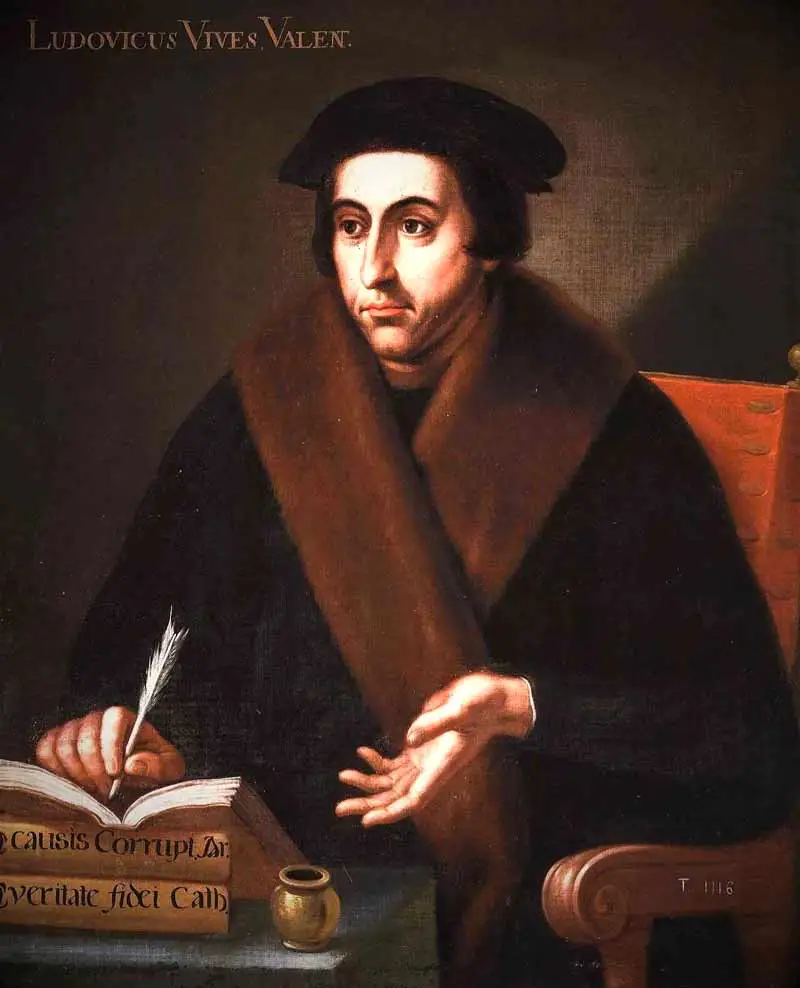
The first person to label Herodotus as "father of lies" (medaciorum patrem) was Juan Luis Vives (1493–1540), a Spanish humanist (Earley 2016). Vives took Cicero's famous proclamation that Herodotus was the father of history (Herodotum patrem historiae) and turned it on its head.
Vives' critique was part of a heated debate about Herodotus's credibility. Echoing Plutarch, Vives claimed that while Herodotus' writing was excellent, his credibility was harmed by his inclusion of false facts and information.
In the 16th century, Henri Estiene, a French Classical scholar, published his defense of Herocotus titled Apologia pro Herodoto, which, according to Earley (2026, 121), "aimed to use a collection of modern marvels to prove the veracity of the Histories’ unlikely tales, and to make them appear less archaic."
Father of Lies or Father of History?
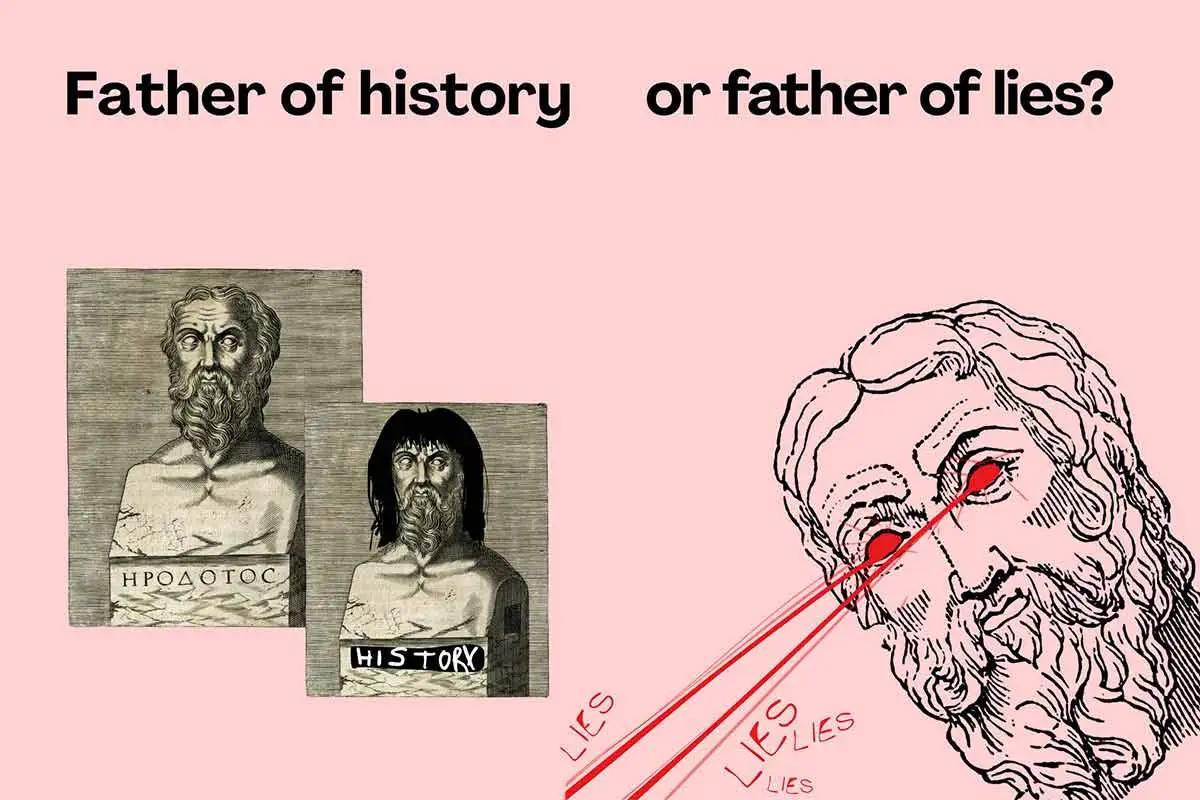
In the Renaissance, a cautious approach toward Herodotus was the norm among the literary elites. Still, Herodotus’ work never fell out of fashion and as we saw in the previous section, his work's reliability was heavily contested among scholars.
In the 19th century, antiquarians and historians returned to Herodotus. As colonial European powers expanded and the Ottoman Empire began to crumble, Egypt, Greece, and the lands of the Levant and Anatolia became more and more familiar and Herodotus was once again tested against archaeological and historical evidence, sometimes positive, sometimes negative.
So father of lies or father of history? The excesses of Herodotus are too many to list. Besides, he did claim that 2,6 million Persians fought at Thermopylae. He also mixes myth with fact and relies too much on oral testimonies and dubious sources. But that doesn’t mean that there is no truth in what he says or that his method was not good. The verdict is not final, but is there a reason to take a side? Herodotus' is above all a well-written and entertaining read.
Even his critics could not deny that.
Bibliography
- Plutarch, Of Herodotus’s Malice. Translated by William Watson Goodwin.
- Cartledge, P. A. (2009). Taking Herodotus Personally. The Classical World, 102(4), 371–382. http://www.jstor.org/stable/40599873
- Earley, B. (2016). "6 Herodotus in Renaissance France". In Brill’s Companion to the Reception of Herodotus in Antiquity and Beyond. Leiden, The Netherlands: Brill. https://doi.org/10.1163/9789004299849_008
- Evans, J. A. S. (1968). Father of History or Father of Lies; The Reputation of Herodotus. The Classical Journal, 64(1), 11–17. http://www.jstor.org/stable/3296527
- Pelling, C. (2007). 'De Malignitate Plutarchi Plutarch, Herodotus, and the Persian Wars', in Emma Bridges, Edith Hall, and P. J. Rhodes (eds), Cultural Responses to the Persian Wars: Antiquity to the Third Millennium. ttps://doi.org/10.1093/acprof:oso/9780199279678.003.0008.