Philobarbaros or Orientalist? What Herodotus Really Thought of the Persians
Herodotus' portrayal of the Persian Empire is complex. The Greek historian balances "Orientalist" stereotypes with surprising empathy and admiration.
Key Takeaways
- Herodotus relied on questionable sources and cultural tropes to describe Persian customs and society.
- The ancient Greek historian depicted the Persians as humans, not evil enemies, and expressed genuine admiration for certain aspects of their culture.
- Herodotus’ account is a nuanced mix of Orientalist tendencies and cultural curiosity.
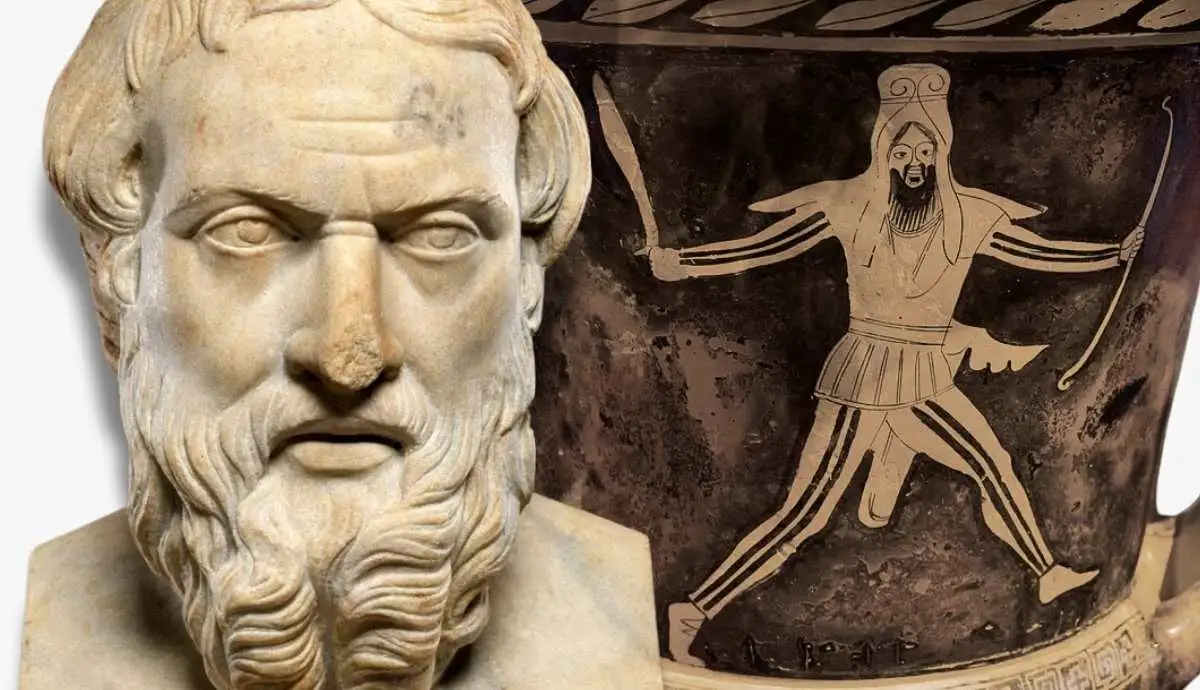
In antiquity, the later Greek essayist Plutarch famously branded Herodotus a philobarbaros (barbarian-lover) in his scathing essay On the Malice of Herodotus, furious that the historian dared to suggest the Persians fought just as bravely as the Greeks at Plataea. Yet, multiple scholars accuse him of treating the Persians as the Greeks' "Barbarian Other."
So was the was the "Father of History" genuinely sympathetic toward the Persians, and how well did he understand Persian culture?
Herodotus's Understanding of Persia Was Limited
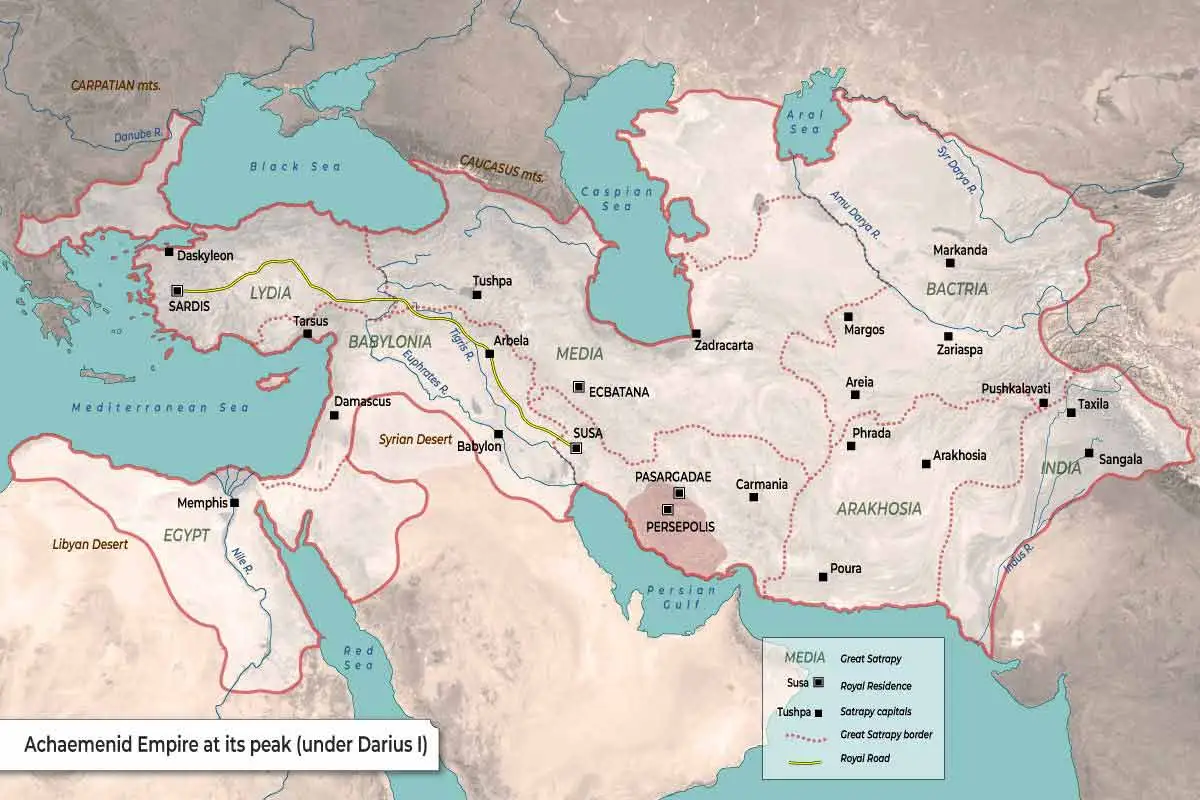
Herodotus never traveled to Persia himself, so everything he confidently claims to know about the Persians should be taken with a pinch of salt. The reliability of his sources about Persia is doubtful and it seems that he did not know the Persian language while his work is missing critical aspects of the Persian worldview (in his take on Persian religion he does not even mention its most prominent figure: the prophet Zoroaster).
Also, in many cases, Herodotus falls victim to misinformation. Some of the most often cited false facts about the Persians from Herodotus are the following:
| HERODOTUS SAYS | IN REALITY |
| Mitra is a Persian female deity (1.131) | Mitra is a male deity. Perhaps the word looked too similar to the Greek word for mother (mḗtēr) |
| All Persian names end in -s (sigma) (1.139) | They don't. |
| Persian names can be translated into Greek (for example, Darius comes from areios and means warlike; 6.98) | The name of Darius originates from the Old Persian name Dārayavaʰuš, which means "holding firm the good". |
In general, many historians, have highlighted the fact that Herodotus seems to understand very little of Persian culture and history and a few go as far as to claim that he, in reality, was not even interested in understanding Persian culture (for more on this, see Harrison 2022).
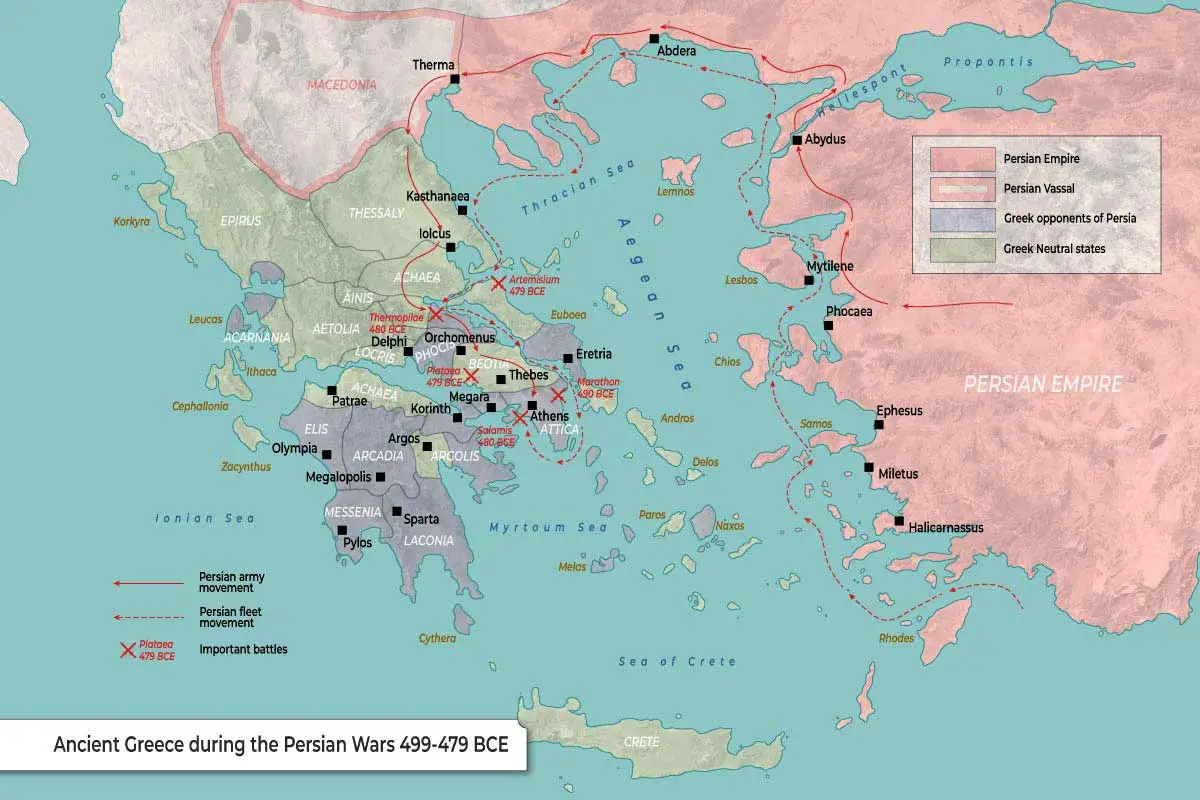
We should note however that there was significant cultural exchange between Greece and Persia. The Ionian city-states were under the Persian Empire since the time of Cyrus and many Greeks had fought as mercenaries for the empire. Also, Greek intellectuals frequently found a place in the Persian kings' court. Likewise, the Greeks had taken quite a few Persian-speaking slaves and merchants would never stop spreading goods and knowledge both ways.
The Persians As the Exact Opposite of Greeks
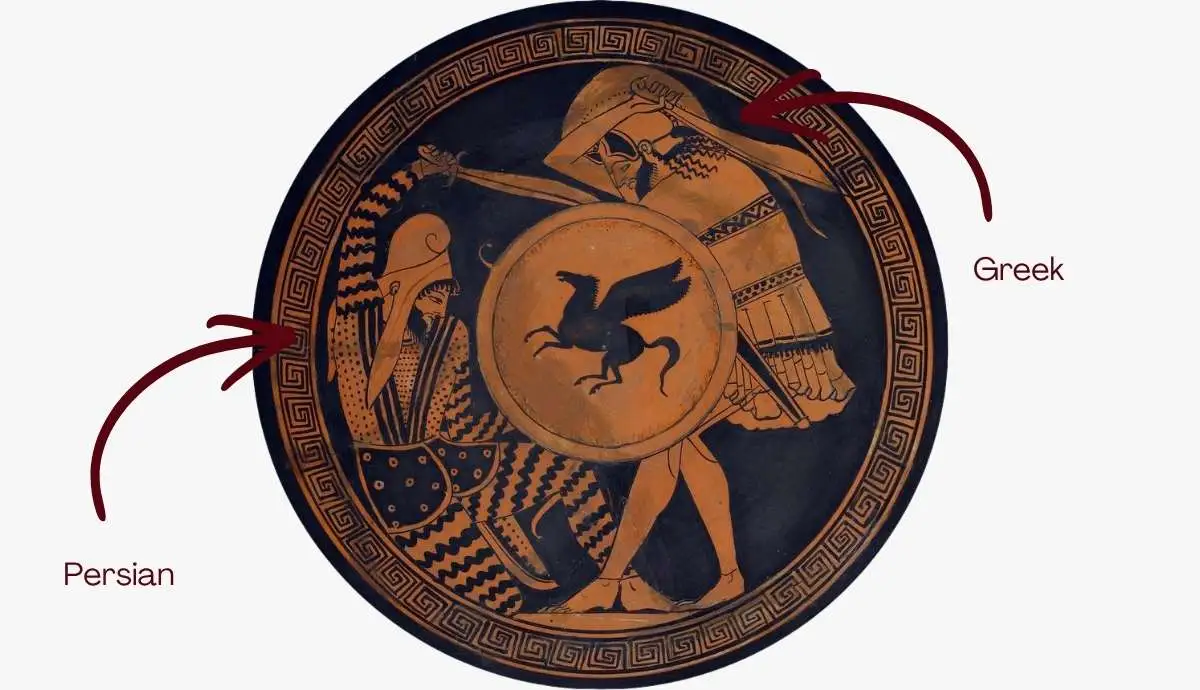
Herodotus has been accused of painting the Persians as a negative copy of the Greeks, which is a simplistic way that helps construct Persia as the "Other" of the Greek world. For this, Herodotus' History is often mentioned as one of the first episodes in the history of Orientalism (i.e., the West's depiction of Eastern cultures as fundamentally foreign, exotic, alluring, and dangerous)
Here are some of the most frequently cited examples of opposites found in Herodotus*:
| WHAT THE GREEKS DO | WHAT THE PERSIANS DO | |
| RELIGION | Build temples and altars, and create anthropomorphic images (statues) of their gods. | No images of gods, temples, or altars. They worship natural elements (sun, moon, earth, fire, water, wind) and the "firmament" on mountain tops. |
| SACRIFICES | Utilize altars, burnt offerings, libations, pipe music, garlands, and sacrificial barleycorn during their rituals. | Use no altars, no burnt offerings, no libations, no pipe music, no garlands, and no barleycorn. They cut and boil the animal's flesh, lay it on fresh grass, and a Magus sings a theogony. |
| DINING | Feature many different kinds of main courses during their meals. | Do not know many different kinds of main courses, but instead serve and eat a large variety of desserts. |
| FAMILIAL MURDER | Have a cultural tradition where patricide and matricide occur, famously depicted through tragic heroes like Oedipus and Orestes. | Maintain that they do not know of a single historical case where a person has murdered their own father or mother. |
* Keep in mind, that this table only lists things that Herodotus said. This is not a true reflection of ancient Persian culture. For example, the Persians had altars and temples.
A Surprising Attempt at Understanding an Enemy?
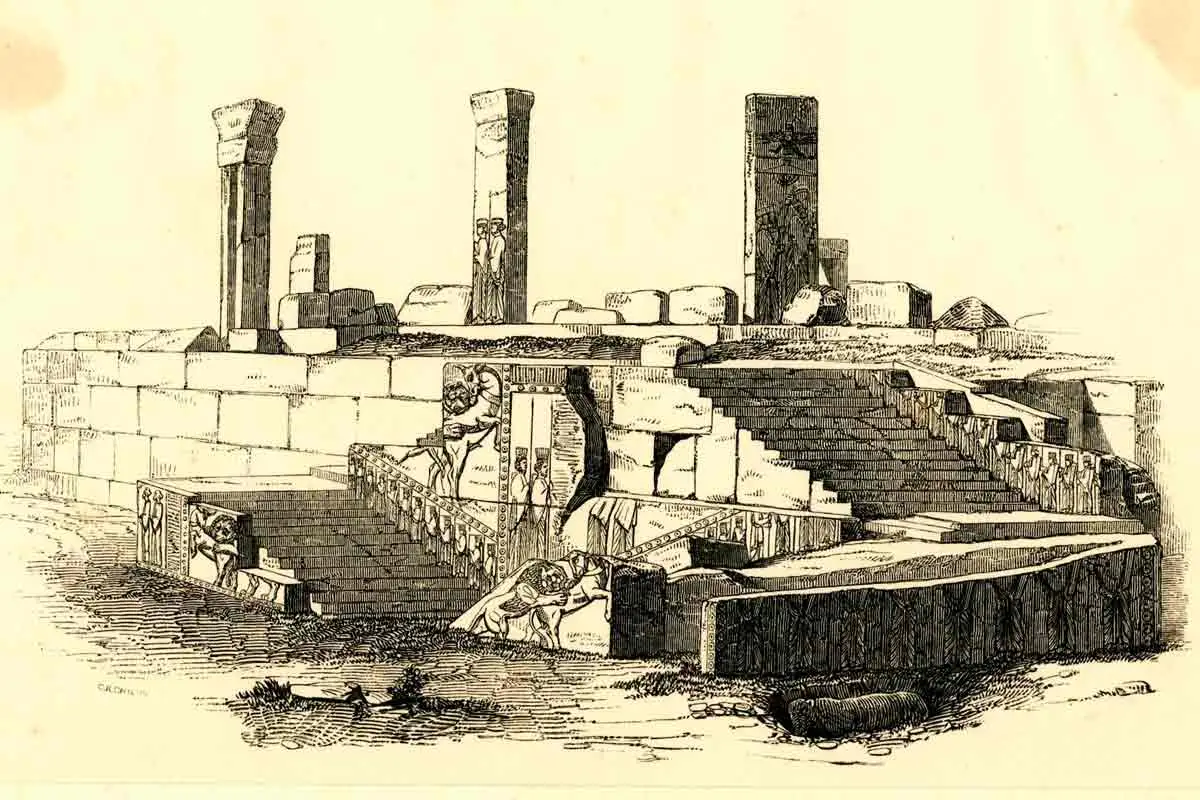
According to Herodotean scholar Michael Flower (2007), Herodotus goes a long way to undercut, challenge, modify, and subvert his contemporaries' barbarian stereotypes. His account of Persia is not that of a land filled with effeminate, servile, and weak, as, for example, Aeschylus' Persae does. Also, the Persian rulers are not described as despotic and evil.
What is even more interesting is that Herodotus devotes equal space to Greeks and Persians and his first (1.1–4) and last (9.122) narratives are presented through the Persian point of view. So, in his own way, Herodotus is trying to see things through Persian eyes.
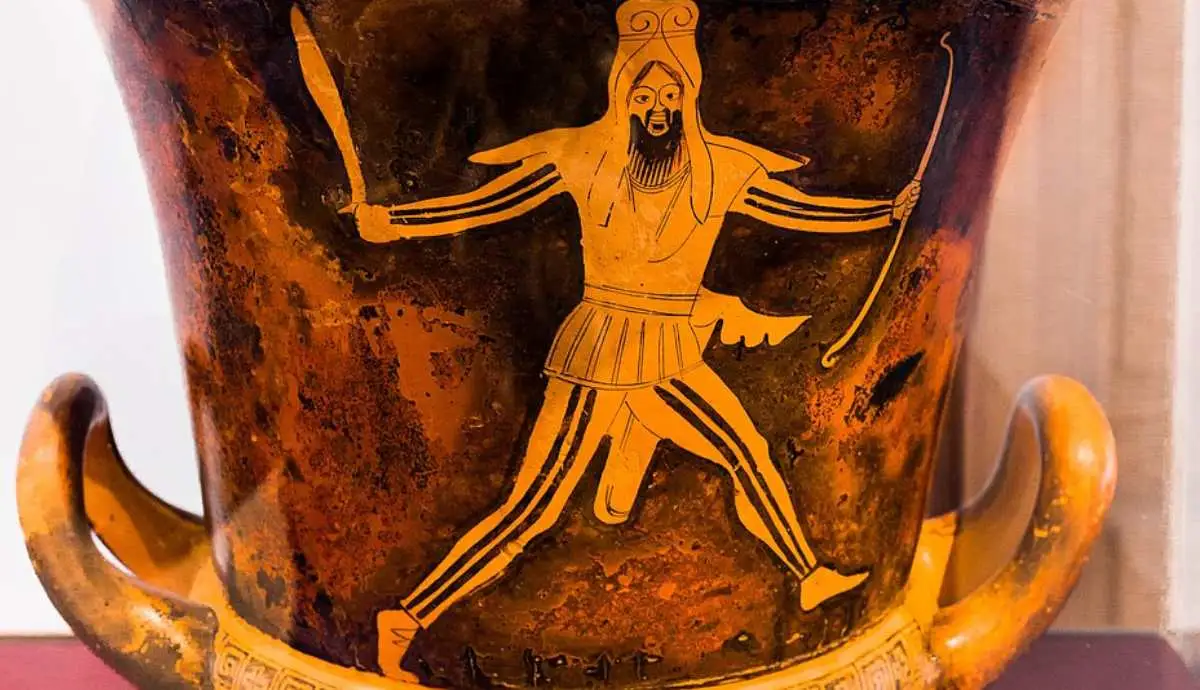
A particularly powerful episode in from 9.16 when right before the battle of Plataea a few Persians are invited to a symposium with some Greeks and one of the Persian guests lets a tear fall as he proclaims that his fellow Persian will suffer a defeat the next day on the battlefield. When asked why they stay if they know that they will lose and likely die, the Persian replies:
“Friend, that which is destined to come from God, it is impossible for a man to avert; for no man is willing to follow counsel, even when one speaks that which is reasonable. And these things which I say many of us Persians know well; yet we go with the rest being bound in the bonds of necessity: and the most hateful grief of all human griefs is this, to have knowledge of the truth but no power over the event.” (9.16)
Especially this last sentence is without a doubt as human as it gets. Herodotus here is not writing about an enemy but about a human who experiences the same fears about a tragic fate as much as any other.
Admiration for Persian Character and Customs
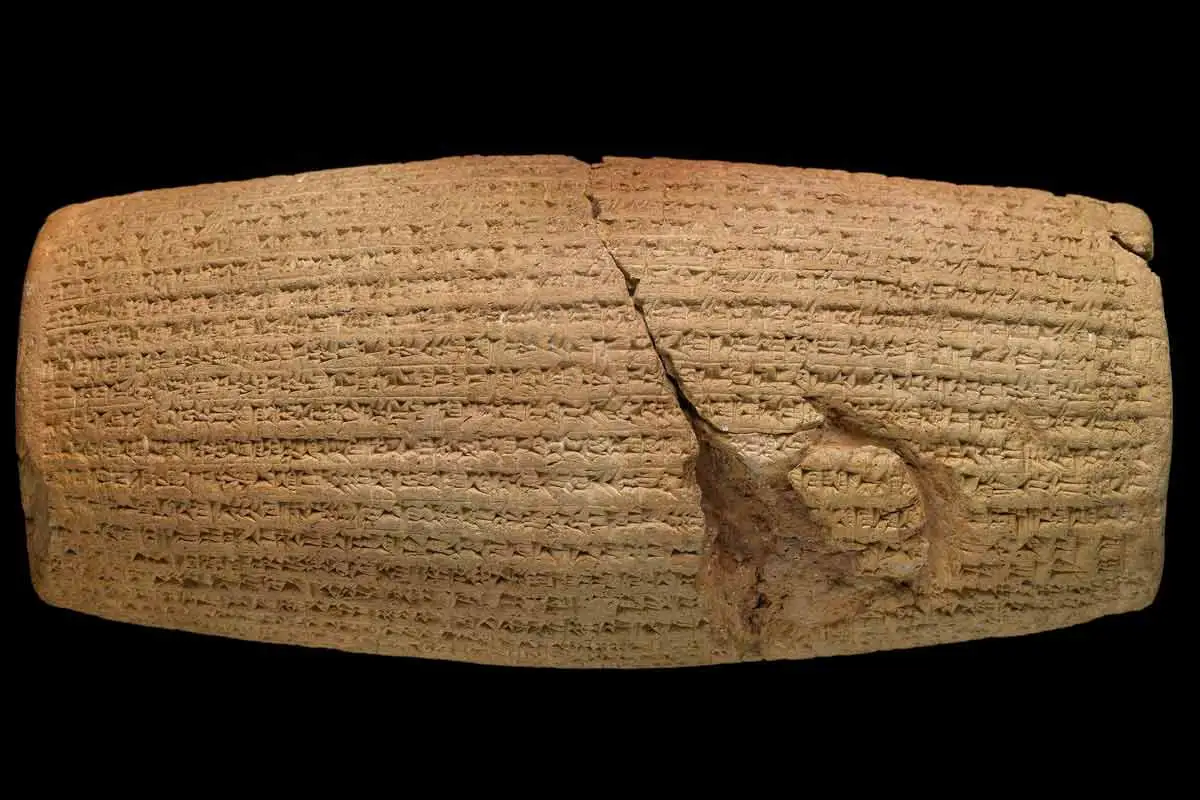
However, Herodotus did seem to genuinely admire Persian kings. Besides, his work can even be seen as a Greek attempt at a genealogy of Persian kingship and Persian kings are the narrative center of the Histories.
We get a sense of admiration when Herodotus talks about Cyrus the Great presenting him as a wise king with foresight, such as when he proclaims that:
"from lands which are not rugged men who are not rugged are apt to come forth, since it does not belong to the same land to bring forth fruits of the earth which are admirable and also men who are good in war." (9.122)
Or the famous quote where Herodotus claims that the Persians teach three things to their children:
"they educate their children, beginning at five years old and going on till twenty, in three things only, in riding, in shooting, and in speaking the truth." (1.136)
He also praises the Persian version of "due process" as admirable:
"... neither the king himself shall put any to death for one cause alone, nor any of the other Persians for one cause alone shall do hurt that is irremediable to any of his own servants; but if after reckoning he finds that the wrongs done are more in number and greater than the services rendered, then only he gives vent to his anger." (1.137)
In the same section, he seems to juxtapose the popular belief that no Persian has ever killed his own father or mother with the Greek myth of Oedipus:
"...they say that no one ever killed his own father or mother, but whatever deeds have been done which seemed to be of this nature, if examined must necessarily, they say, be found to be due either to changelings or to children of adulterous birth; for, say they, it is not reasonable to suppose that the true parent would be killed by his own son." (1.137)
So What Was Herodotus' Attitude Toward the Persians?
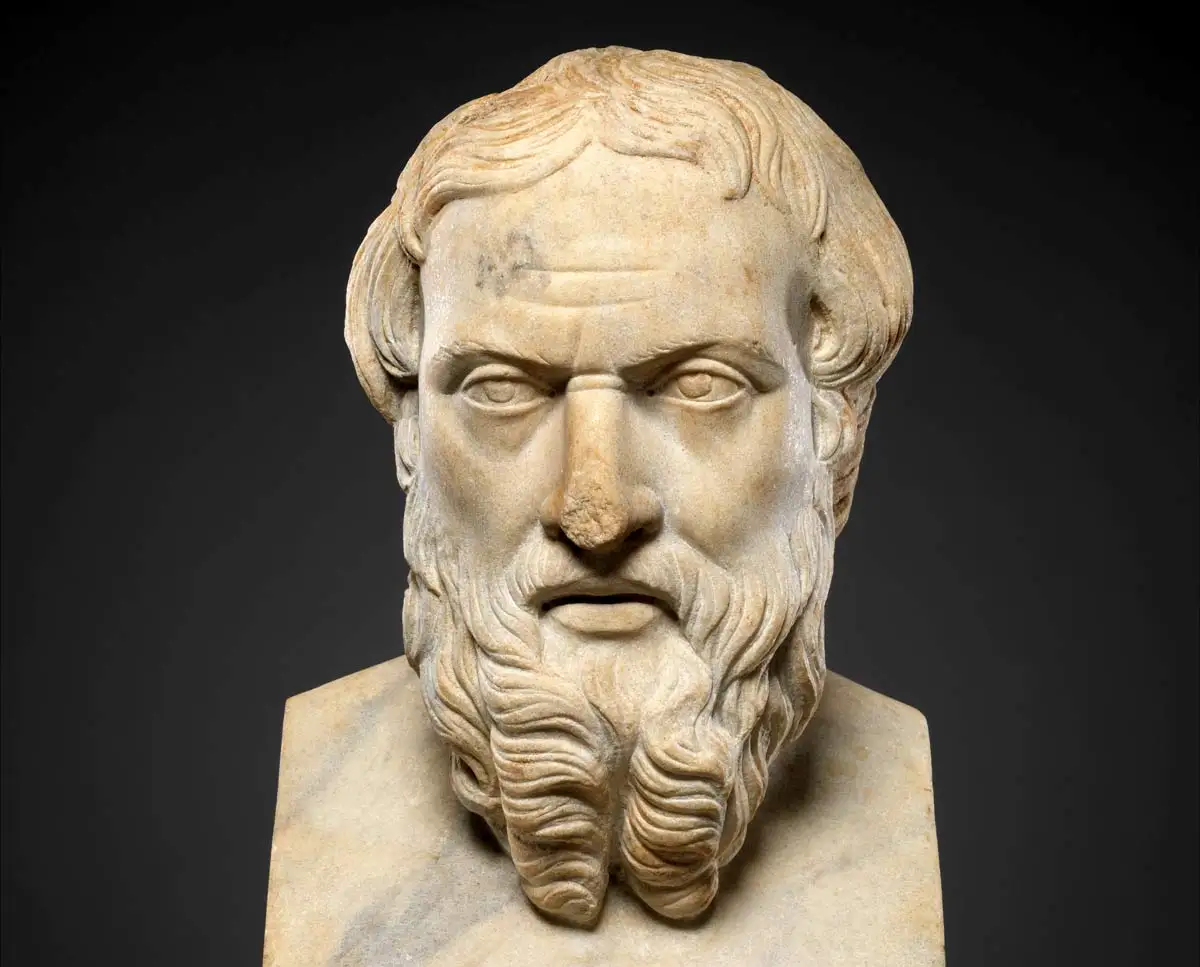
Thomas Harrison, Keeper of Greece and Rome at the British Museum, claims that Herodotus was neither pejorative nor sympathetic toward the Persians:
the varying responses—that his [Herodotus's] position was broadly either pejorative or sympathetic—are perhaps equally unsatisfying. (Harrison 2022, 30)
Harrison sees elements of both in Herodotus and argues that Herodotus is too complex to define with a simple word such as orientalist (see my Herodotus and orientalism).
Herodotus was an active participant, not a spectator of events. His History was itself a political act that often commented on contemporary issues and events. In his time, the Athenians were pursuing their own imperial ambitions and were engaged in wars against the Peloponnesian League (the so-called Peloponnesian War) and the Persians always remained a threat.
Persia was still in Herodotus' time the dominant force, and the Greeks were still in this force's orbit. Herodotus' History is then filled with symbolisms and nuanced meanings that may elude their modern reader who is not living at the dire times of the 5th century BC.
So, to recap, Herodotus had a limited understanding of Persia but he did have access to sources. Besides Greece and Persia were neighboring worlds and knowledge exchange between them was constant.
Herodotus both misunderstood and admired Persia, both attempted to belittle Persians and present them as a formidable foe, both orientalized them (presented them as the exact opposite of Greeks) and sought to understand them.
Bibliography
- Flower, M. (2006). Herodotus and Persia. In The Cambridge Companion to Herodotus. Cambridge University Press. https://doi.org/10.1017/CCOL052183001X.019
- Harrison, T. (2022). ‘Herodotus’ Perspective on the Persian Empire’. Electrum 29: 23–37. https://doi.org/10.4467/20800909EL.22.003.15773.
- Rollinger, R. (2003). 'Herodotus iii. Defining the Persians.' Encyclopaedia Iranica. Published December 15, 2003. https://www.iranicaonline.org/articles/herodotus-iii/