The Dark Heritage of Sanatorium Medea: Soviet Ruins in Tskaltubo
From a Soviet spa resort to a refugee camp, the Georgian town of Tskaltubo and its Sanatorium Medea is a prime example of dark heritage.
Summary
- Sanatorium Medea is a monumental Soviet-era ruin in Tskaltubo, Georgia, celebrated for its iconic Stalinist Empire architecture.
- Once a flourishing health resort for radon therapy, the site was abandoned following the Soviet Union’s 1991 collapse.
- Its name suggests an interesting connection to Greek Mythology.
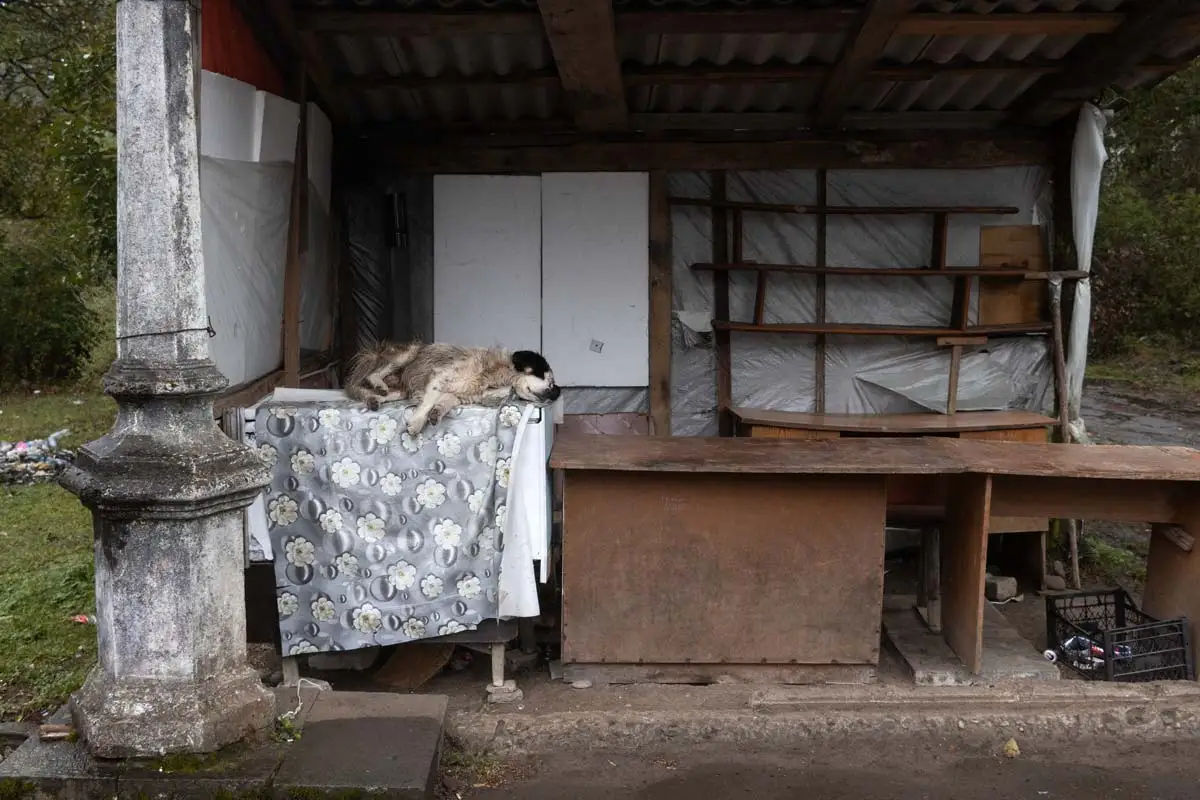
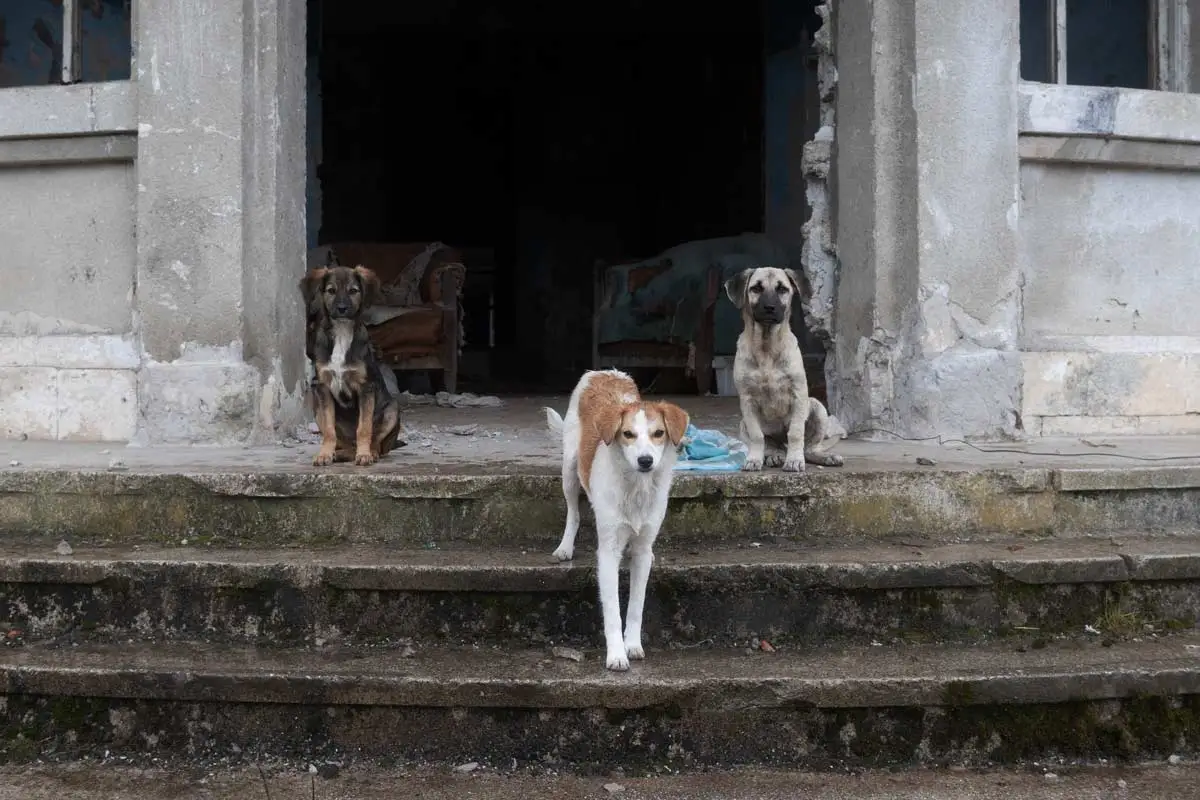
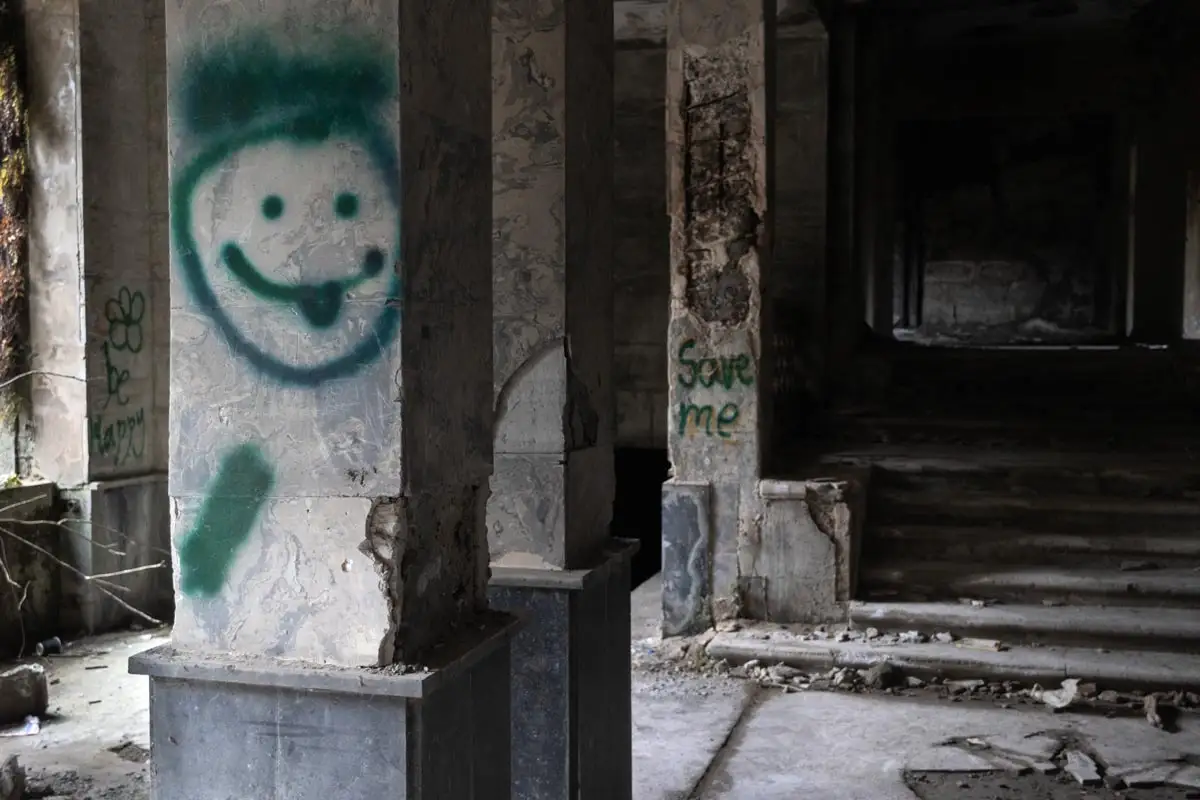
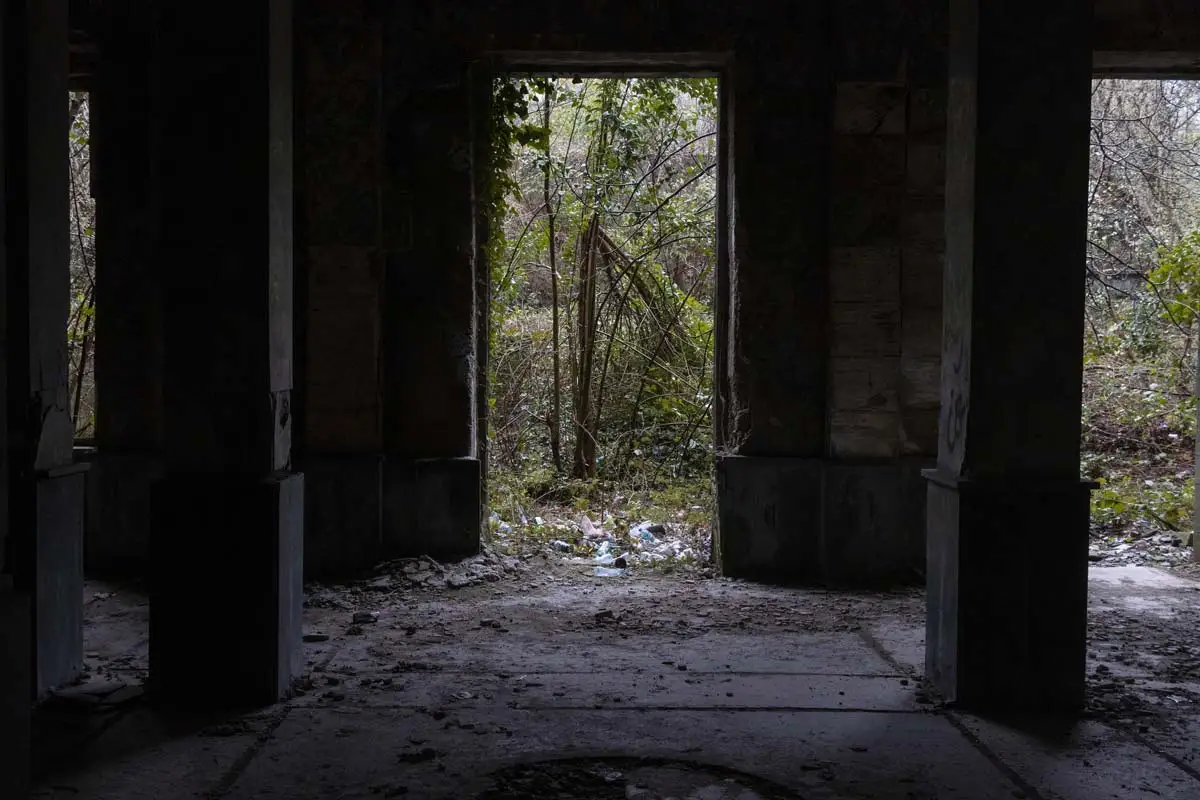
A dog is resting on an old chair. A ray of light gently touches the silhuette of an old staircase, conquered by grass and soda cans. The ruinesque, yet grandiose Sanatorium Medea stands as a Soviet legacy whose material remains persist. The now-abandoned sanatorium attracts tourists who are drawn to its dark aesthetics and Soviet history.
Medea, and the other sanatoriums of the Georgian town of Tskaltubo, fall within the category of heritage sites that are difficult to engage with, that are related with death and trauma, which is also known as dark heritage.
I visited the site in March 2026 and here is what I learnt.
From Soviet Spa Resort to Refugee Camp
*All images in this article are also available as prints. Feel free to contact me, if you are interested.
In 1936 the Soviet Union turned the right to rest into all workers' constitutional right. The state guaranteed paid vacations and erected a a wide network of sanatoriums, serving both as resort and medical centers, to that end.
The Georgian city of Tskaltubo, known for its quality and abundant mineral springs, became one of the leading Soviet resort areas with nine bathhouses, 22 sanatoriums and a hydro-mineral research centre.
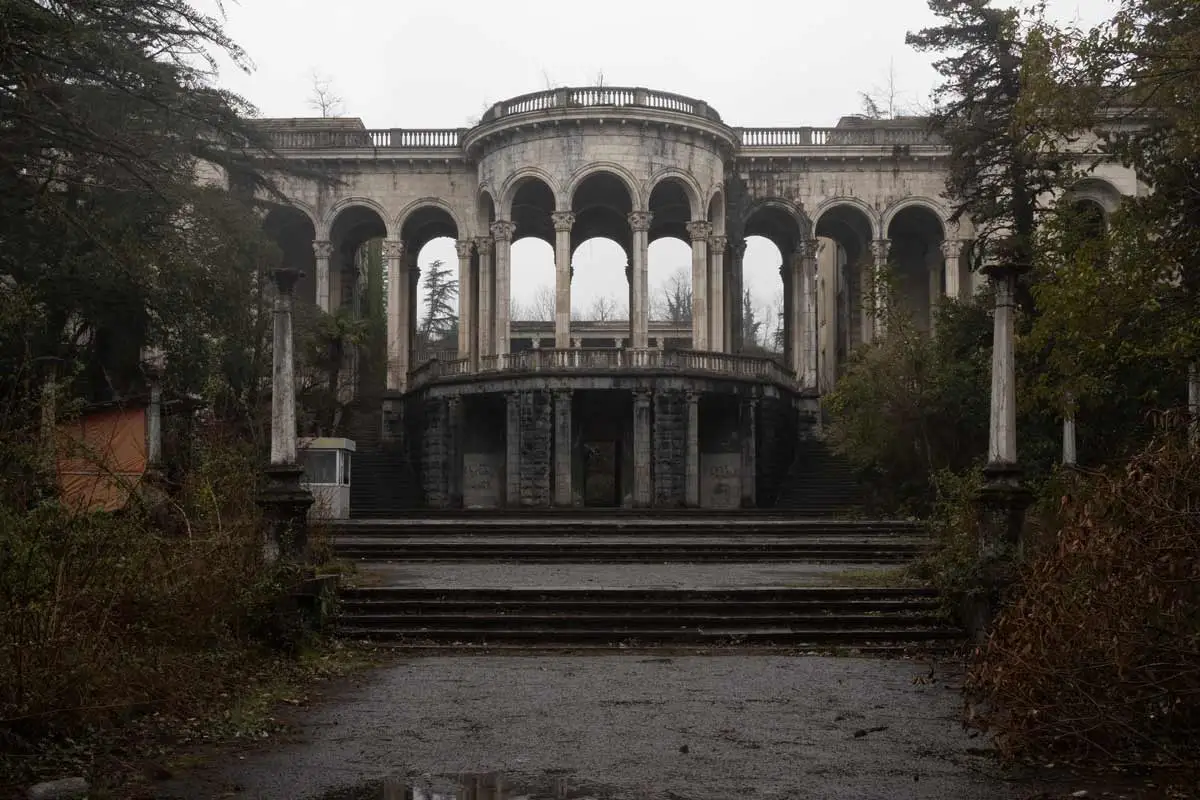
The resorts in Tskaltubo were true jewels of Soviet architecture accepting thousands of visitors and patients every year.
However, in 1991 came the collapse, and with the end of the USSR and the beginning of the independent Georgian Republic, Tskaltubo was no longer the resort it once was.
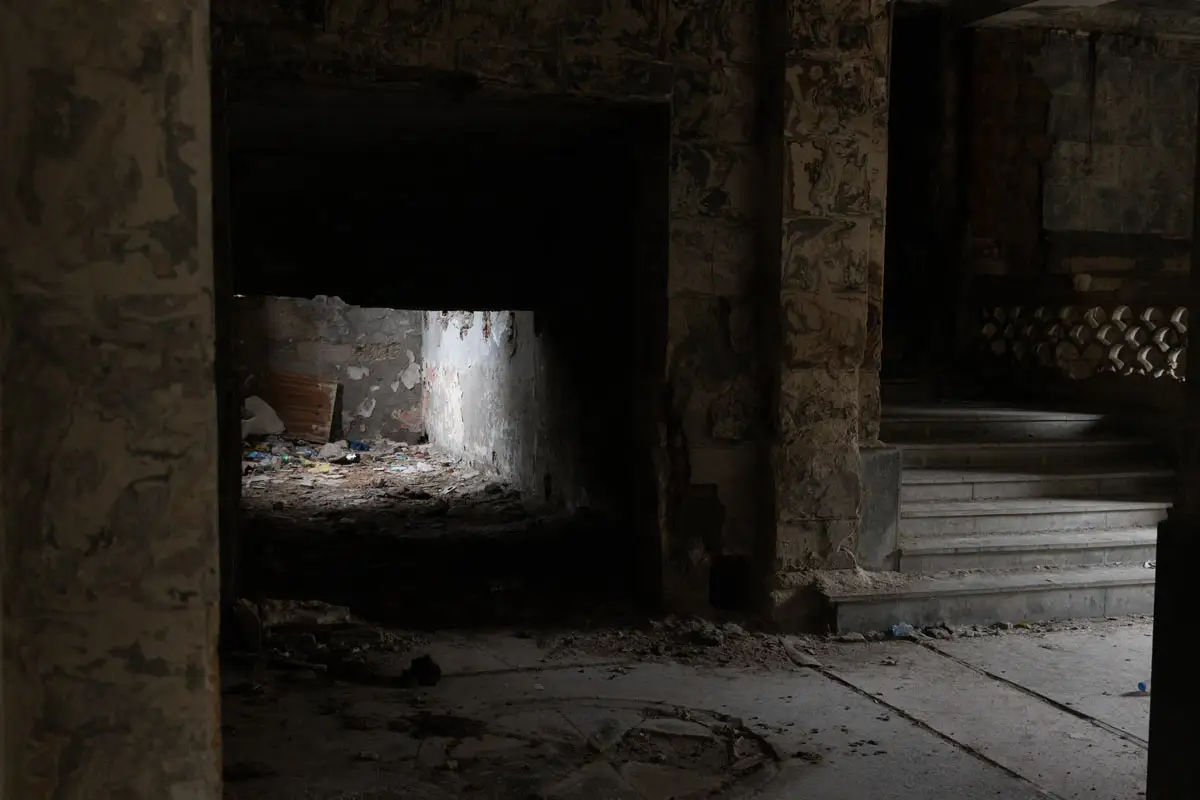
In 1992, Tskaltubo saw crowds of thousands, but these were not visitors. They were refugees fleeing Abkhazia where the Russian invasion had forcefully dispaced thousands. According to TheGuardian, for the next 30 years, Tskaltubo's premium sanatoriums housed 10,000 refugees and their families. In 2021, most families were moved to new appartments but a few still remain.
The government is now looking to sell the sanatoriums of Tskaltubo to private investors who will turn them into luxury hotels, restoring the areas status as a spa resort, but things are a bit more complex.
Sanatorium Medea and Its Connection to Greek Mythology
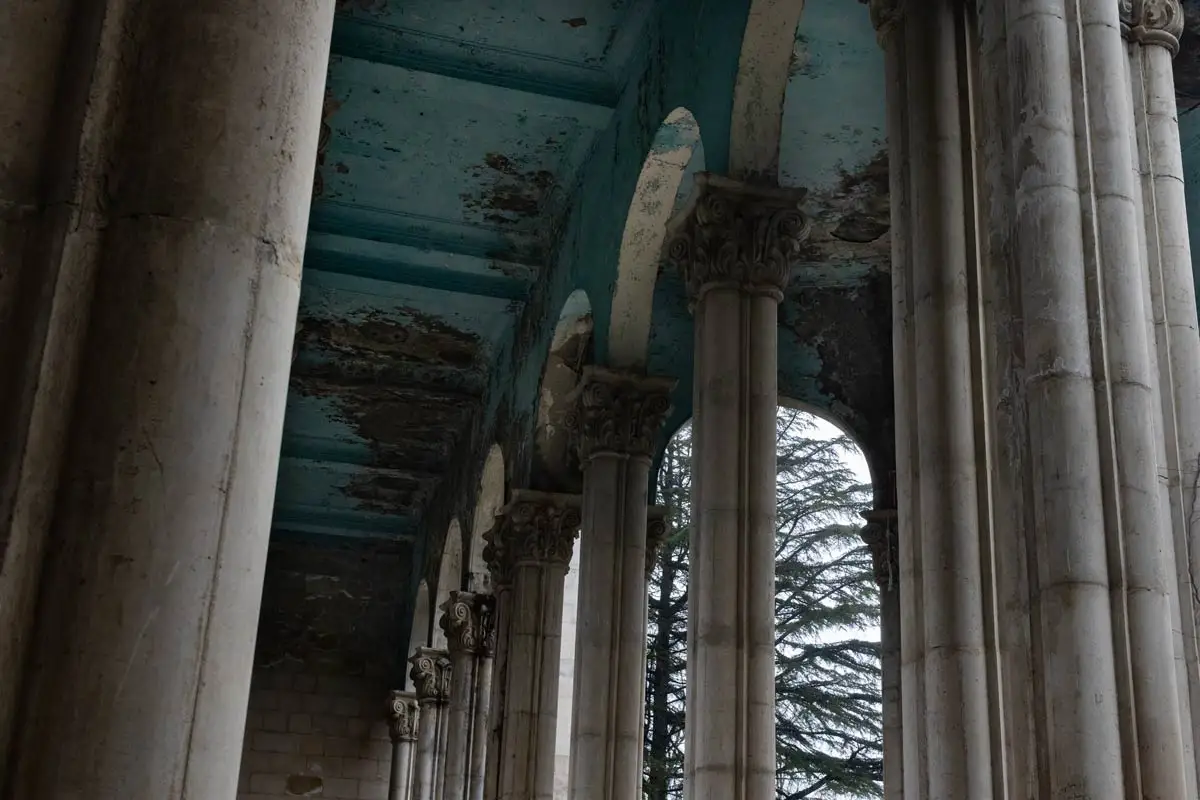
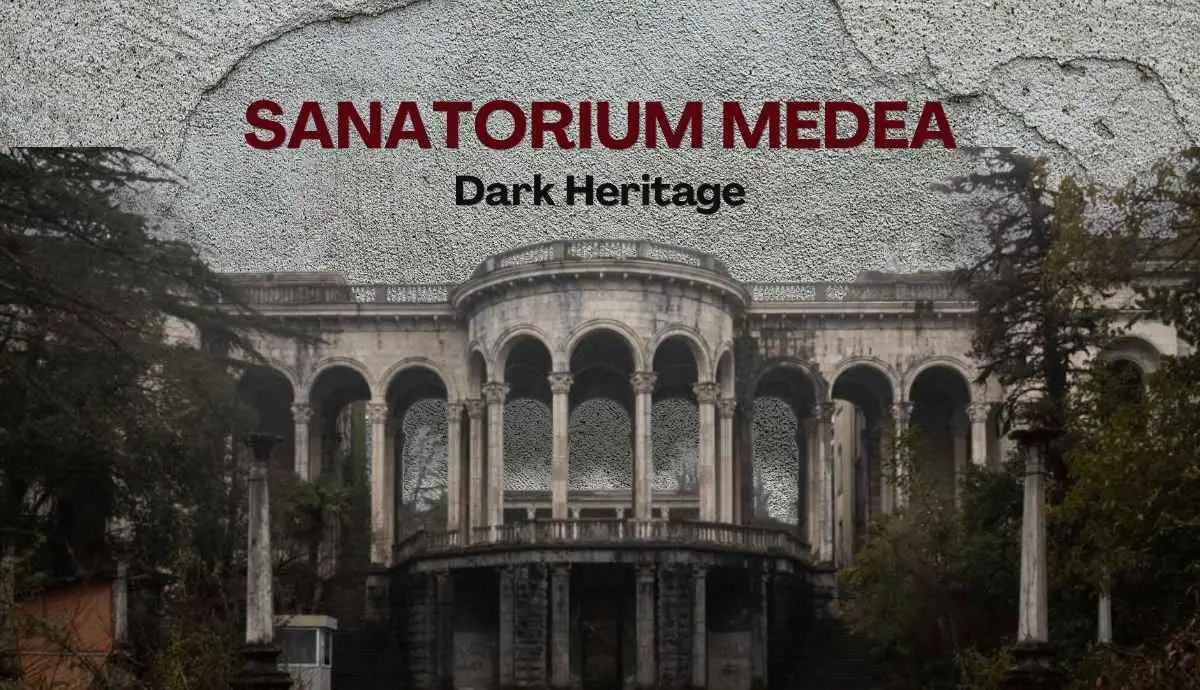
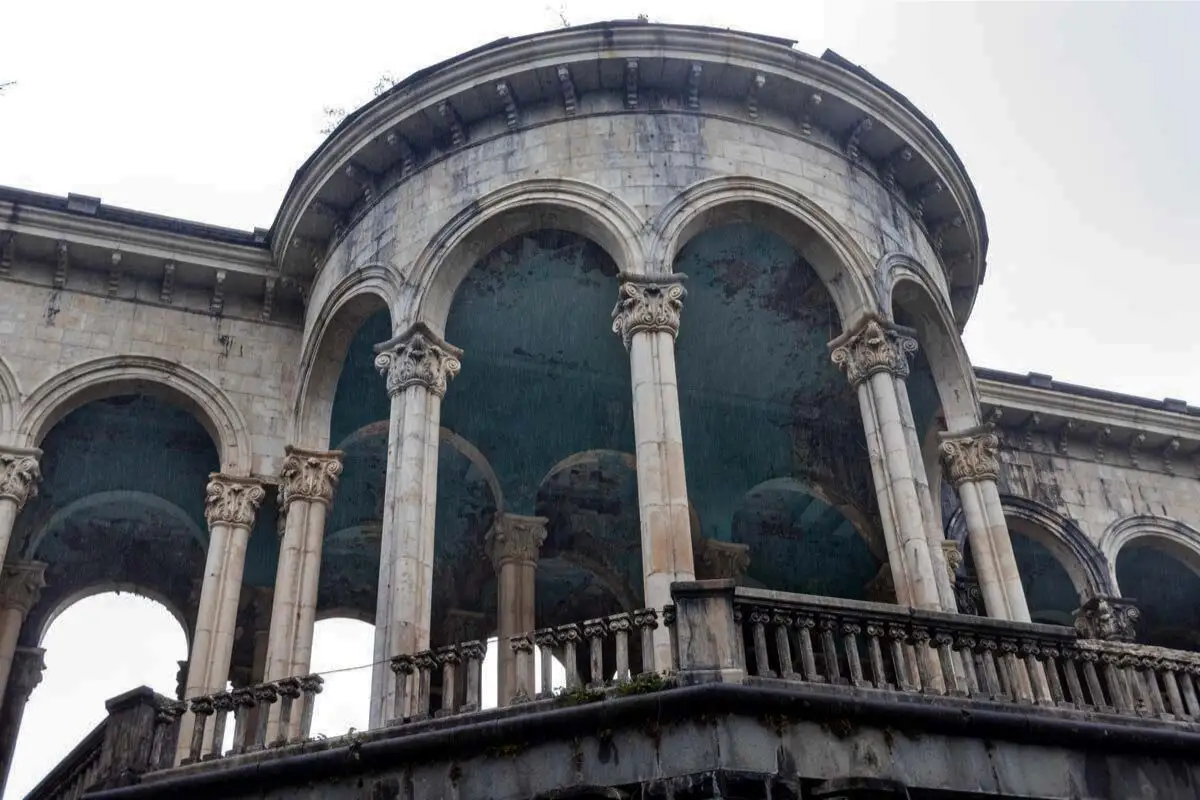
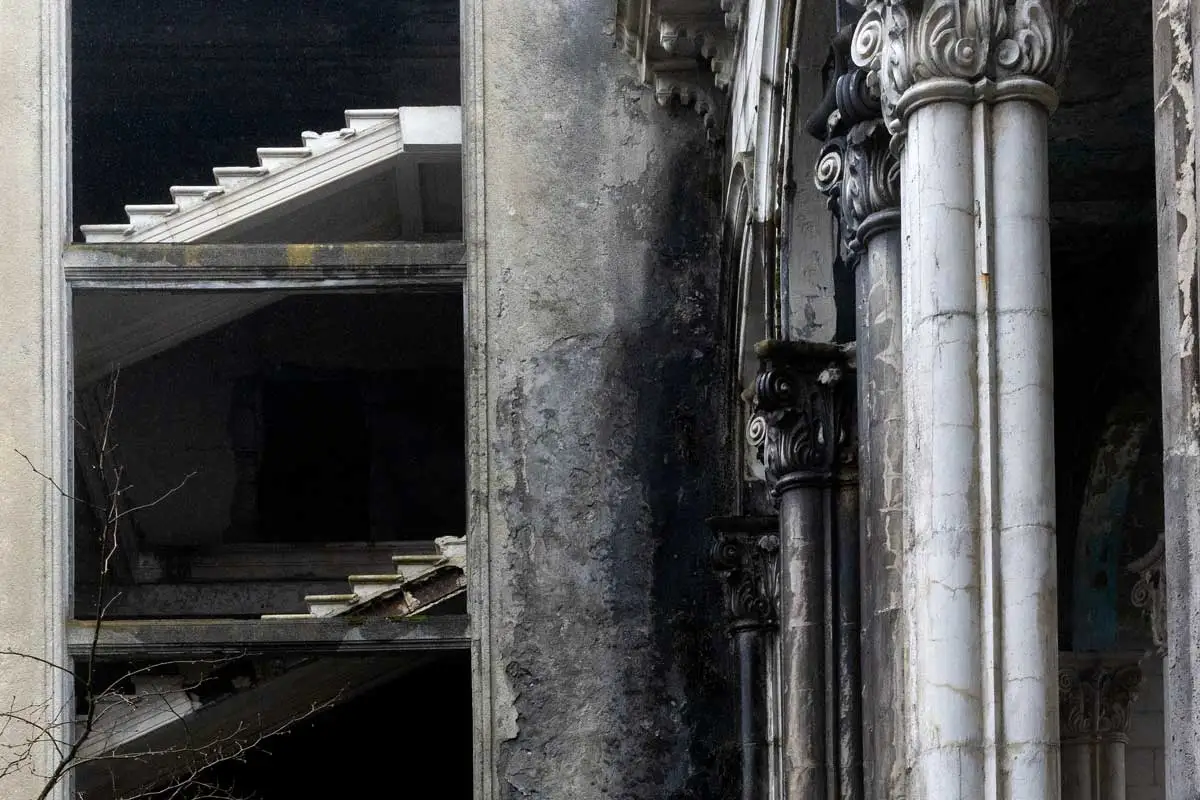
Hotel Medea was one of Tskaltubo's most beautiful structures, with strikingly blue ceilings, elegant colonnades and impressive facade that reflected the best elements of the Soviet architecture of the Stalinist-era.
Tskaltubo is located in the land that once was known as Colchis. The area is connected to the ancient Greek myth of Jason and the Argonauts, as it was in Colchis that Jason managed to retrieve the Golden fleece with help from the sorceress Medea.
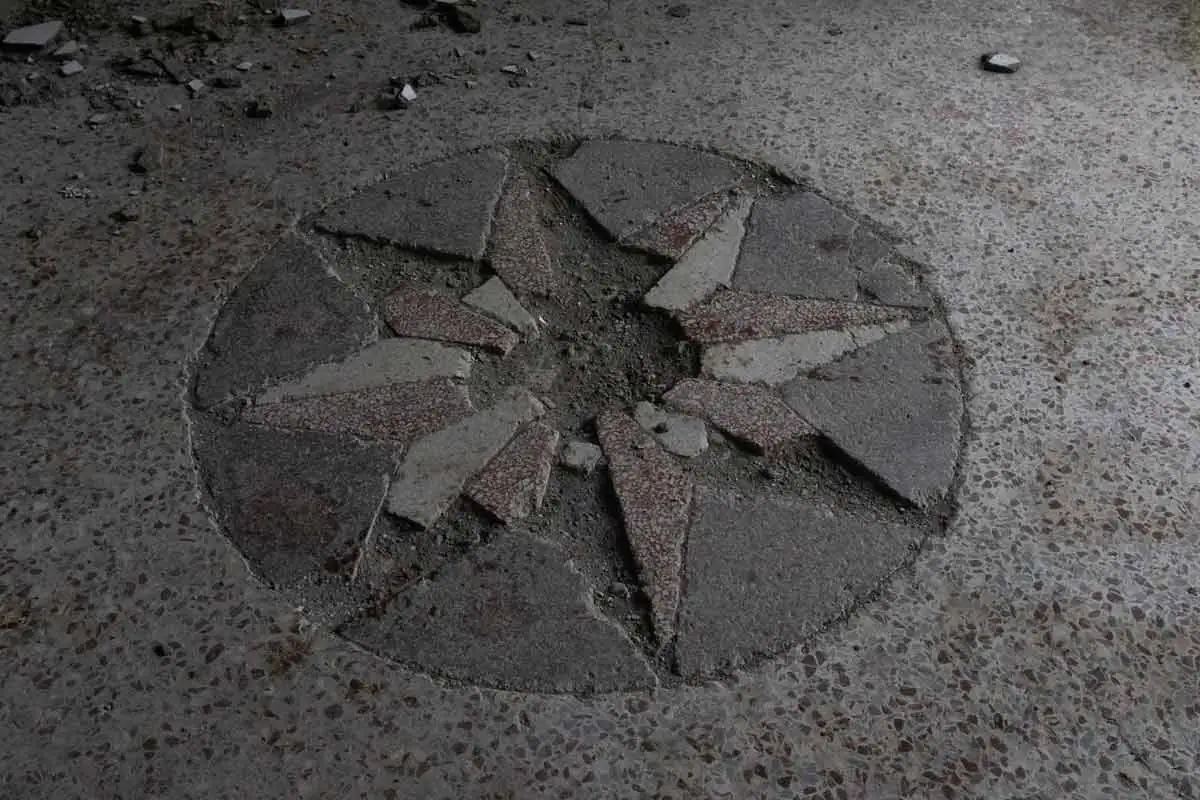
In Georgian collective memory, Colchis, the Argonauts, and Medea constitute the mythical origins of the nation. The name Medea was fitting for a Sanatorium in Tskaltubo, due to the medicinal qualities of the local springs, as Medea was known for her medicinal magic.
In Greek mythology, Medea was a powerful sorceress and the daughter of King Aeëtes of Colchis (modern-day Western Georgia). She is most famous for helping Jason and the Argonauts steal the Golden Fleece from her father.
A Difficult Heritage
Stalin was born in Georgia and his legacy remains heavily contested in a country that is polarized between those who are looking to develop closer ties with Europe and NATO, and those who believe that the country's future lies with Russia, even if the northern neighbor maintains its claim over significant parts of Georgia's northern provinces.
This complex political discussion about the country's future orientation involves a controversial and heavily contested past, that involves the country's Soviet history, recent Russian aggression, and the close economic ties with the Russian federation.
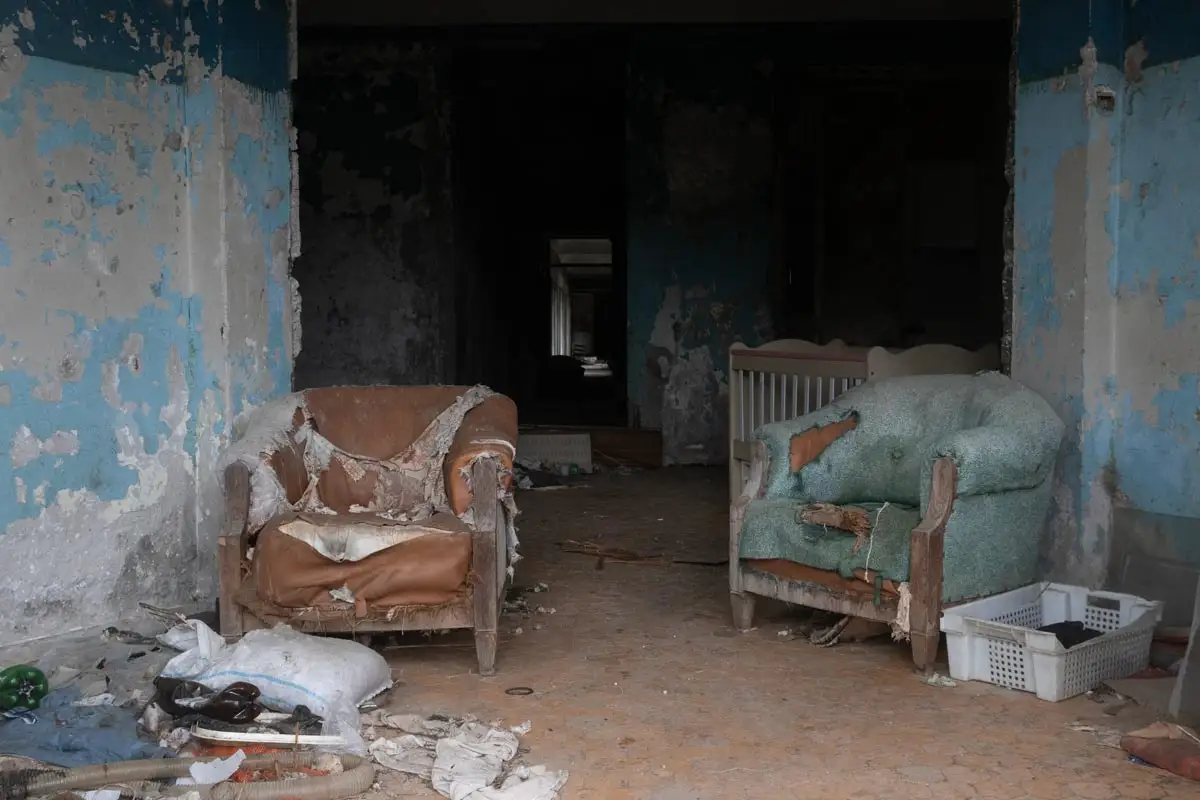
The past is ever-present even if purposely forgotten or overlooked. One way the past refuses to let go is through its material remains, like Tskaltubo's sanatoriums.
The Soviet grandeur of Tskaltubo has now become a pole of attraction for tourists who are looking to explore Soviet ruins and haunted alleys. This is exactly why Tskaltubo, and Medea in particular as its most popular attraction, qualify as a Dark Heritage. Let's see what this means.
The Dark Heritage of Sanatorium Medea
Dr. Philip Stone, Executive Director of the "Institute for Dark Tourism Research" at the University of Lancashire, defines dark tourism as:
"the act of travel to sites of death, disaster or the seemingly macabre" (2011, 318).
It is difficult to find a concise definition for dark heritage in scholarship, as the term is often mixed with other more popular ones such as difficult or contested heritage and dark heritage has been criticized as too broad and hard to define. However, there is a difference.
Dark heritage is connected to the memoryscapes often referred in bibliography as traumascapes or thanatoscapes, places or practices (rituals, performances, etc) related to a collective memory related to death, disease, war, famine, and other deeply traumatic events. The most famous case of Soviet dark heritage is undoubtedly Chernobyl.
Medea is a site that may not relate directly to the theme of death but it is part of a greater dark heritage that is difficult, traumatic, and carries memories of a contested Soviet past and a war that resulted in a forced migration.
Bibliography
- Xiao, Y. (2025). Dark Heritage. In: Saloul, I., Baillie, B. (eds) The Palgrave Encyclopedia of Cultural Heritage and Conflict. Palgrave Macmillan, Cham. https://doi.org/10.1007/978-3-030-61493-5_124-1
- Roberts, C., & Stone, P. R. (2014). Dark Tourism and Dark Heritage: Emergent Themes, Issues and Consequences. In I. Convery, G. Corsane, & P. Davis (Eds.), Displaced Heritage: Responses to Disaster, Trauma, and Loss (pp. 9–18). Chapter, Boydell & Brewer.
- Stone, P. R. (2011). 'Dark tourism: towards a new post-disciplinary research agenda'. International Journal of Tourism Anthropology, Vol. 1, No. 3-4. 318-332.
- This 2025 article from TheGuardian: https://www.theguardian.com/artanddesign/2025/jun/08/tskaltubo-stalin-spa-resort-decay-soviet-past-georgia