What Is Kleos? Ancient Greek Fame, Memory & Modernity
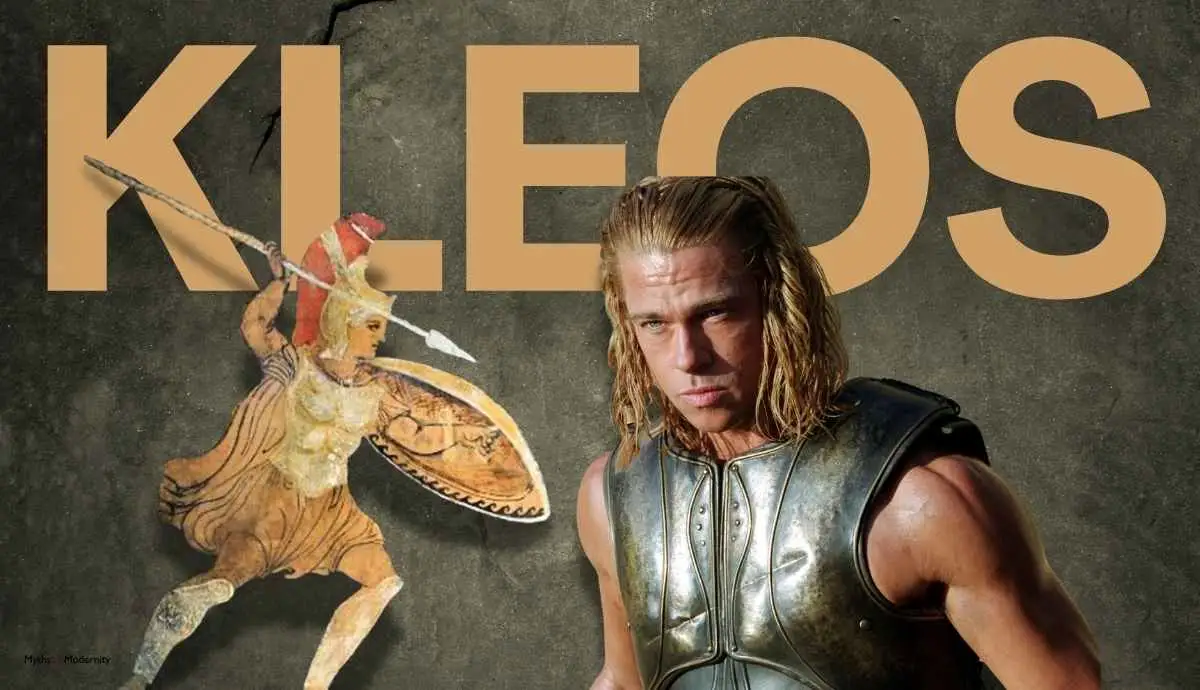
Kleos as good fame offered the only viable path to immortality in ancient Greece, and one, that in the Homeric epics (Odyssey and Iliad), was worth dying for.
Key Takeaways
- Definition: kleos is "immortal fame" earned through great deeds, providing a path to eternal life in Ancient Greek culture.
- Heroic deeds were remembered through art and song, ensuring reputation survived physical death.
- Achilles traded a long life for "kleos aphthiton" (undying glory).
In the Homeric epics, kleos offered the only viable path to immortality, by extending one's existence through the good memory of their name. This eternal glory could be secured through excellence in combat and a good death, just as Achilles' death in the Iliad.
What Is Kleos?
In the works of Homer, kleos (κλέος) referred to the attainment of "immortal fame" through the performance of extraordinary deeds.
The term literally signified "that which is heard," referring to the reputation and stories circulated about an individual within oral tradition.
But before we talk more about kleos, let's take a look at the way the ancient Greeks looked at memory.
The Goddess Mnemosyne (Memory)
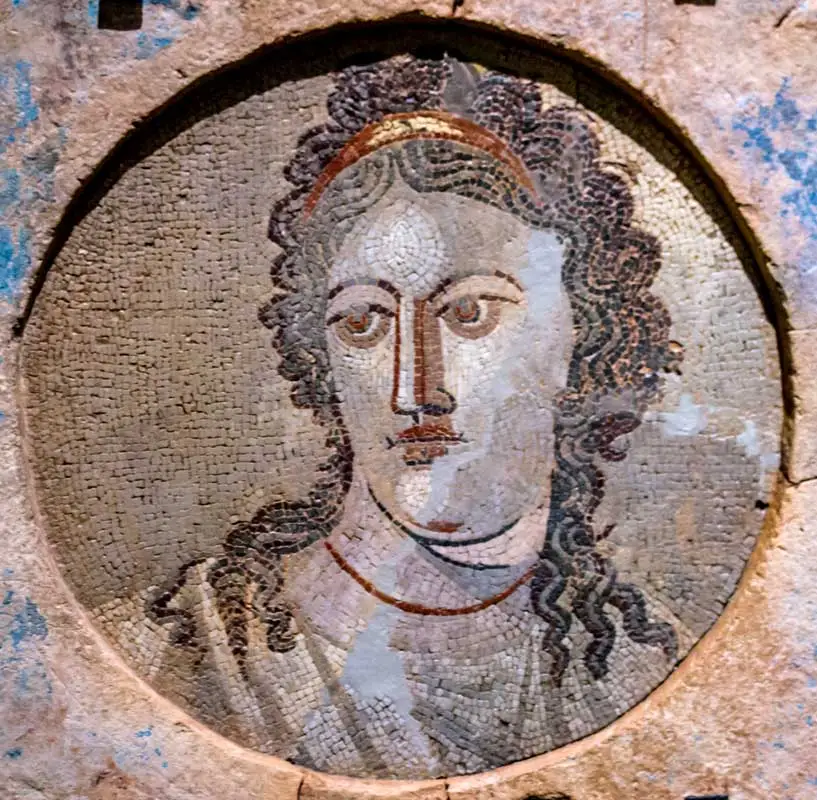
In Theogony, Hesiod (Greek historian of the 7th century BC) wrote about Mnemosyne, the goddess of memory.
As daughter of Uranus (Heaven) and Gaia (Earth) as well as the mother of the Nine Muses by Zeus, Mnemosyne was an important deity.
Them in Pieria did Mnemosyne (Memory), who reigns over the hills of Eleuther, bear of union with [Zeus]... she bare nine daughters, all of one mind, whose hearts are set upon song and their spirit free from care, a little way from the topmost peak of snowy Olympus.
Theogony, 53-62
Mnemosyne held a prominent position in Hesiod's system not only because she preceded the Olympian gods, but also because she was the mother the Muses, the deities of arts and literature.
| MUSE | DOMAIN |
| Calliope | epic poetry |
| Clio | history |
| Polyhymnia | hymn and mime |
| Euterpe | song and elegiac poetry |
| Terpsichore | chorus and dance |
| Erato | lyric choral poetry |
| Melpomene | tragedy |
| Thalia | light verse and comedy |
| Urania | astronomy and astrology |
Memory and Art
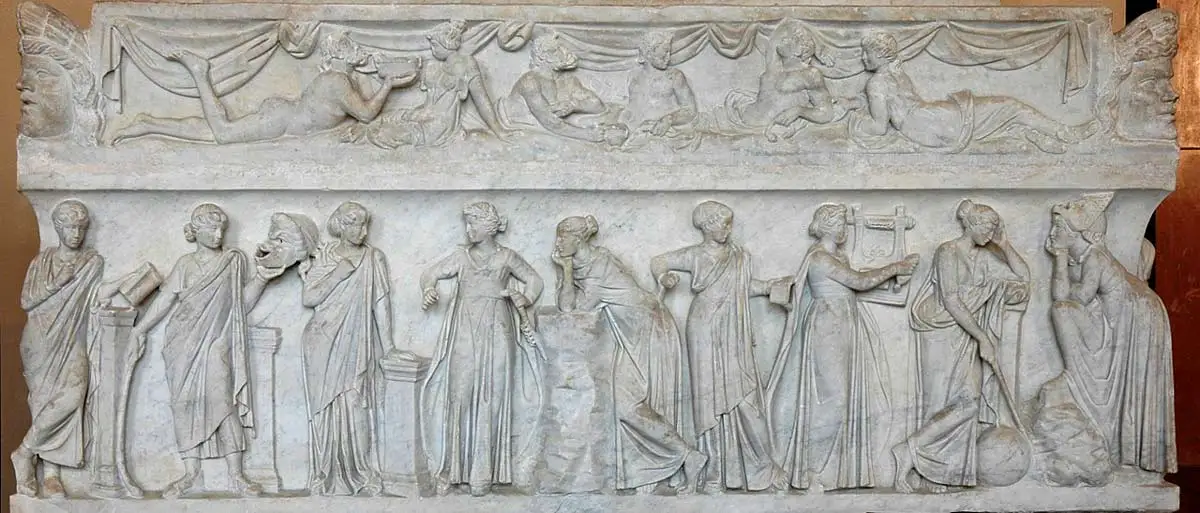
But why was Mnemosyne considered to be the mother of the arts?
The arts were important mnemonic practices, key in shaping a collective memory. In a world where writing and reading was not a common skill as today, the importance of the arts as a way to render history accessible was obvious.
Through art and literature, historical events could be revisited at any time in an easy and impactful, often fun, way. In a sense the arts were the path to transition from an oral, easily lost, collective memory to a more concrete one (or from a communicative to a cultural memory as Jan Assmann would posit).
Think of Aeschylus' Persians or Herodotus' History that turned the Persian Wars into a "digestible" narration that could be told over and over again. Without these works, the wars could have been forgotten just as inumerable other historical events have.
Kleos
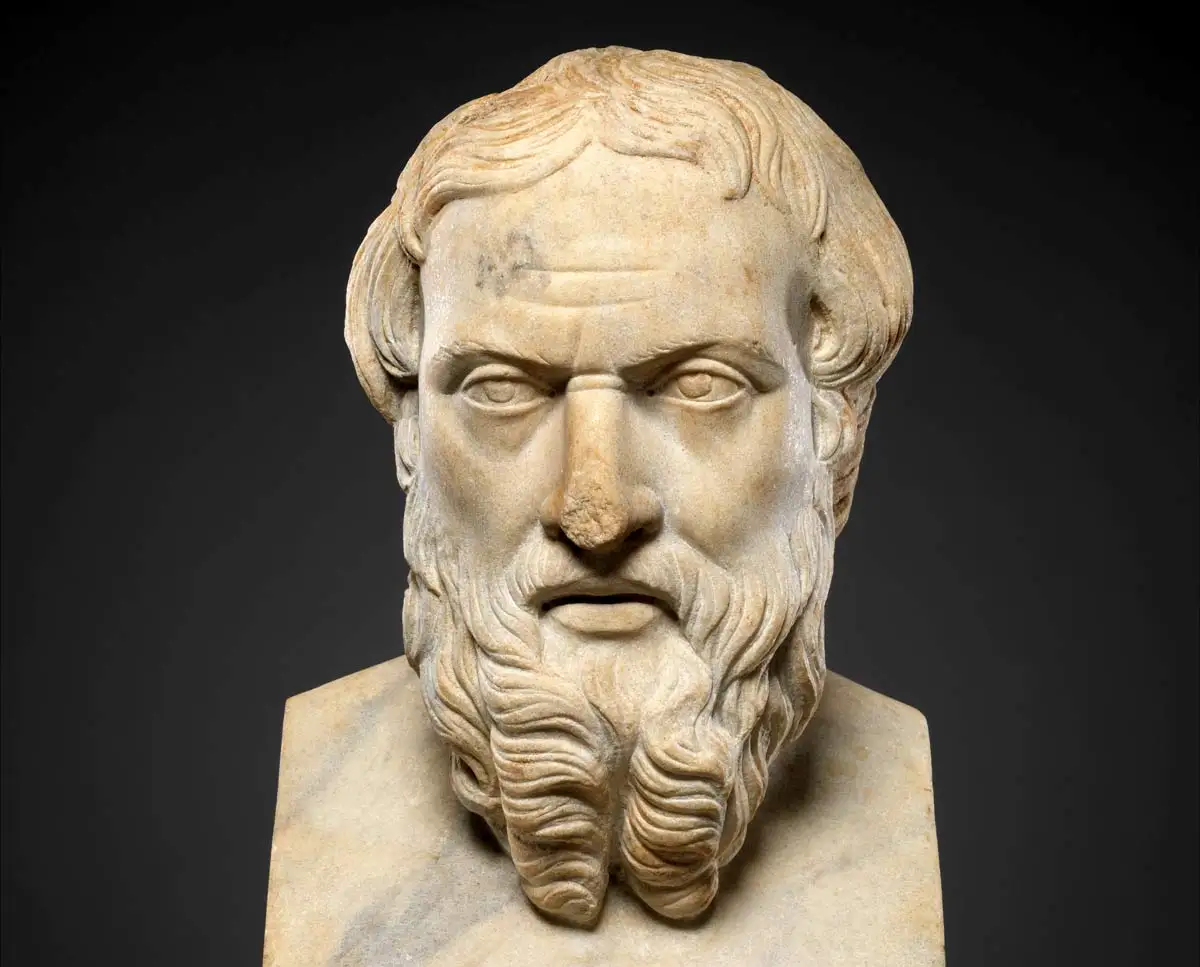
In the introduction of Herodotus' History, the Greek historian writes that the motivation behind his work was to record the past so that it is not forgotten ("either the deeds of men may be forgotten by lapse of time") and to offer renown to great deeds ("nor the works great and marvellous may lose their renown").
The word that Herodotus uses here to describe a deed that is not renowned/immortalized is "akleon", from "a" (without) and "kleos" (renown, glory).
Also read: How to Use Herodotus' Method to Navigate the Misinformation Age
Kleos is a key term for ancient Greek culture, and one that holds a prominent position in the world of Homer.
As a shame culture, the Homeric (as well as the later Greek) world was a place where what was said about you was a measure of your value. In such a context, kleos served as social currency that could build up.
Remembering the heroic deeds of the ancestors prepared the descendants to mimic them and, if successful, the family's name would gain a good fame earning it glory and a high status position in society.
We can see this clearly in Homer, where heroes constantly boast about theirs and their family's kleos, with a good parallel being the way rappers boast about their "street credit"...
Earning Kleos
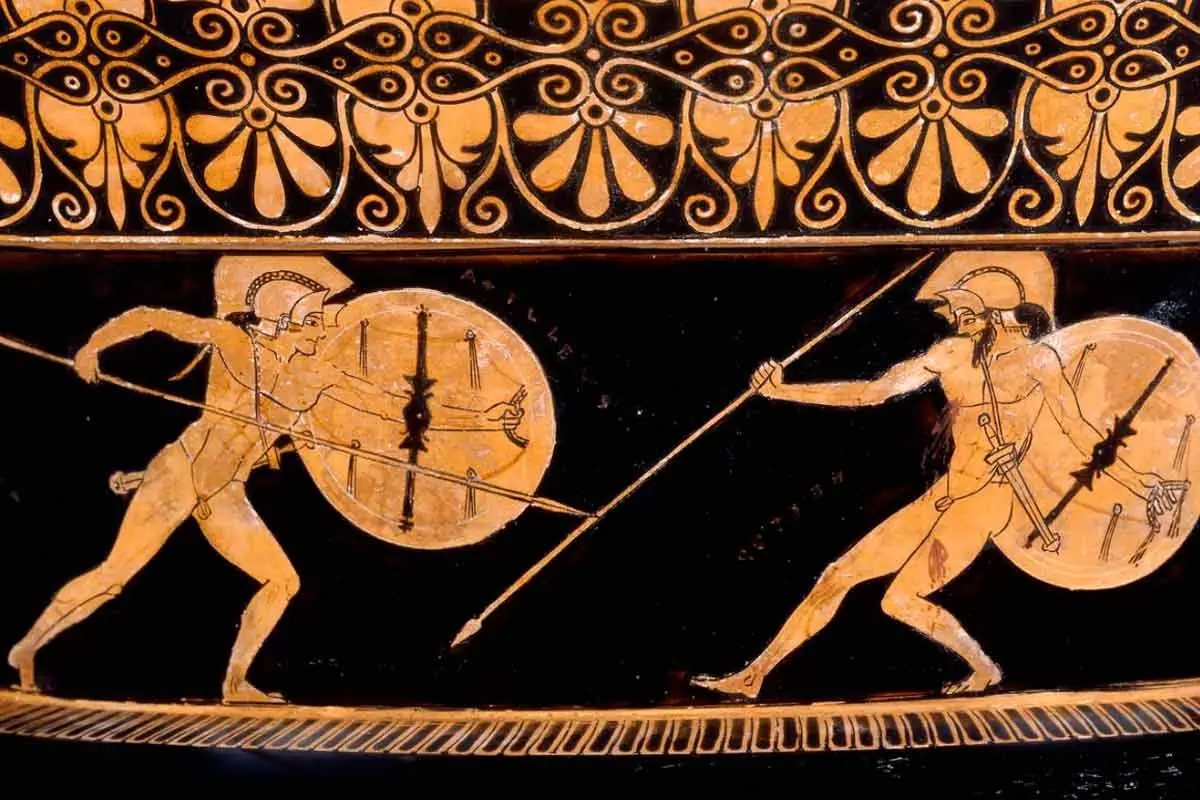
A good fame was something to strive for and the heroes of Homer certainly strive to attain it and talk about gaining kleos that will never die (e.g. Hector in Iliad VII.91). Undying is a key word as it signifies the connection between fame/memory and immortality. Kleos was the only thing that could survive beyond a hero's literal death.
Through good deeds, a hero could make his name remembered and earn himself immortality.
Achiles and Kleos Aphthiton
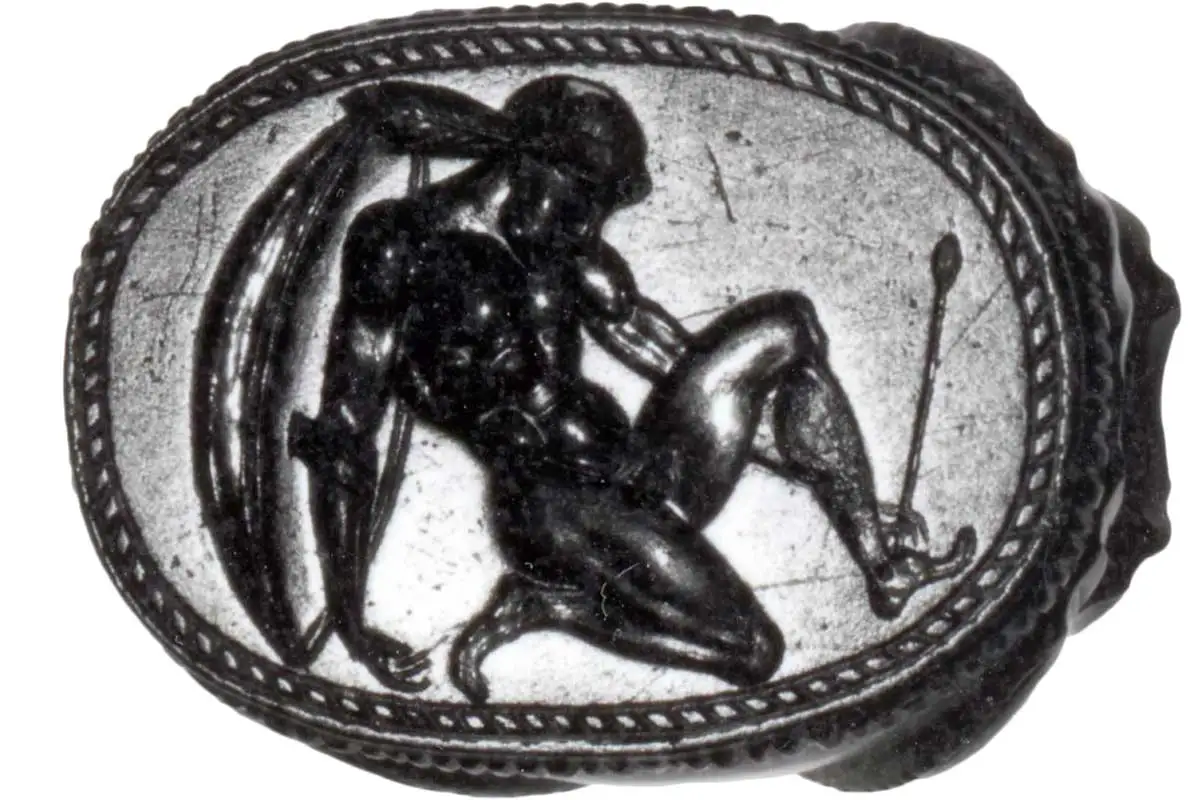
Consequently, kleos was something worth dying for.
"... in the Iliad a warrior's kleos is more important than life itself." Segal (1983)
A good example comes from Iliad IX.412-6, where Achilles contemplates whether to participate in the Trojan War.
His options are two:
1. a long life away from war, without kleos
2. a short life fighting at Troy that will earn him undying kleos (kleos aphthiton)
He chooses the latter.
Also read: Freud's uncanny with examples from Greek Mythology
A Bard Is Required
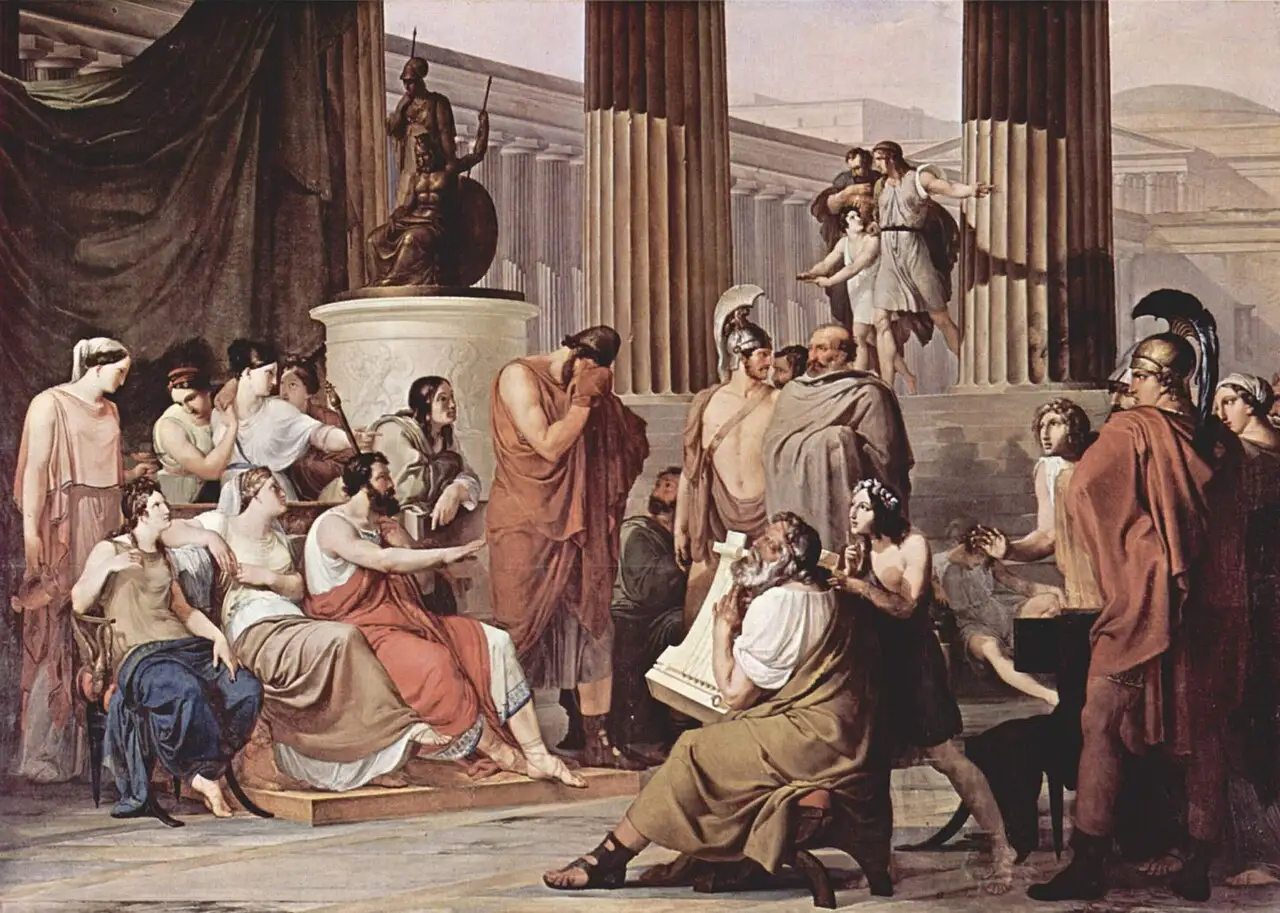
However, there was a clear distinction between the objective deeds that brough one's kleos and the memory of those deeds in a bard's song. It was clear that without the bard, there was no way for the kleos to live on and spread. Kleos was after all what others said about you.
As the deeds were remembered almost exclussively through the bard's song, the two became indistinguishable: the medium became the message. That's why a song about a hero's deeds was also called kleos (a bard would sing the kleos of a hero).
We see multiple examples of this in the Iliad but most interestingly in the Odyssey where a unique situation unfolds when Odysseus narrates his own kleos and is even complimented for his song (Segal 1983).
Only the Gods Can Make You Famous
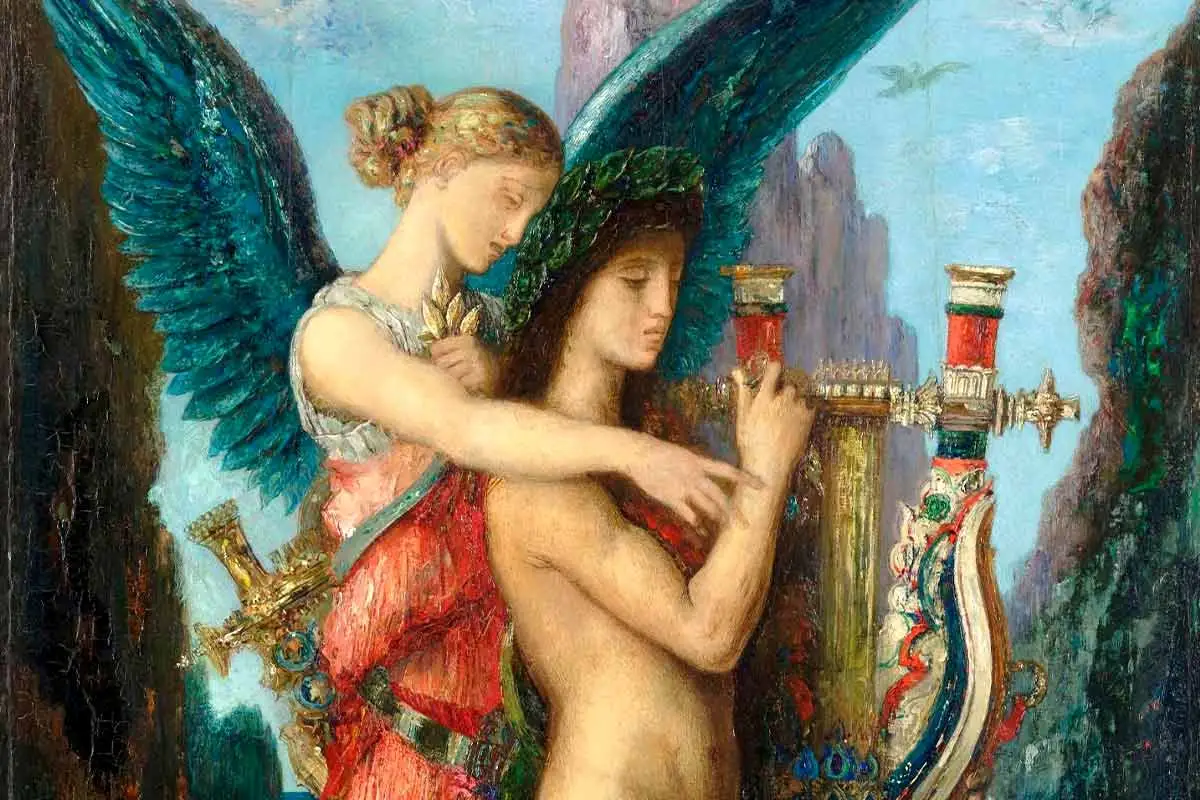
In the first line of the Odyssey, Homer calls one of the Muses (presumably Caliope) to tell him the story of Odysseus, while in the Iliad he also calls a goddess to narrate the story of Achilles. Hesiod's Theogony also begins with an invocation to the Nine Muses who teach Hesiod how to sing the truth about the gods.
In all cases, the muses, and not the bard or another mortal, appear as bearers of memory and the ones responsible for its transmission. This is also how good fame (kleos) was perceived: not as a matter of the mortals, but of the gods; almost like a natural element, but certainly beyond one's control.
In the end, achieving eternal glory (kleos) was a matter of the gods' will.
Kleos in the 21st Century?

In 2026, we are increasingly inhabiting a digital landscape, where algorithms dictate the information we "consume" and consequently the information we "generate".
A great part of social activity takes place within social media which, created within a capitalist market, promote a unique sense of individuality. This hyper-individualist culture seems reminiscent of the homeric world, where everyone is boasting about their and their family's great deeds.
However, there are differences. The homeric individual was positioned within the broader community of the aristocratic house which included living, deceased, and future members the house.
The digital world can foster a sense of community but, for now at least, the sense of horizontal comradeship that newspapers offered in the Early Modern Era and which helped foster common identities, as Benedict Anderson has said, is absent from social media. The direction is not toward bringing smaller groups together but toward fragmenting larger ones into increasingly smaller parts.
The narcissistic individual of the digital age appears to be always chasing after an ever-changing algorithm, seeking to conquer a new form of kleos. Influencers have become the bards of their own stories, kind of like Odysseus, but are unable to control how these stories reach others. Their own kleos is beyond their control.
In any case, everyone wants to leave something behind, a child, a book, movie, a company, or even a viral video. In the end that's exactly what kleos is about, leaving a lasting legacy.
Bibliography
- Segal, C. (1983). Kleos and its ironies in the Odyssey. L’Antiquité Classique, 52, 22–47. http://www.jstor.org/stable/41653211
- Hooker, J. T. (1987). Homeric Society: A Shame-Culture? Greece & Rome, 34(2), 121–125. http://www.jstor.org/stable/642940
Also read: How nationalism uses myths and symbols to foster a common identity.