Invention of Tradition: How Eric Hobsbawm Exposed "Ancient" Customs
Eric Hobsbawm argued that "ancient" rituals are often modern inventions. Here's Hobsbawm’s theory on the invention of tradition and national identity with examples.
Key Takeaways
- Invented Traditions: Many "ancient" rituals are recent inventions designed to provide a sense of stability during rapid social change.
- Triple Function: These traditions build group identity (cohesion), legitimize modern power structures (authority), and instill specific social values (socialization).
- Power: "Invented" traditions show how elites use a carefully constructed past to justify and maintain their current status.
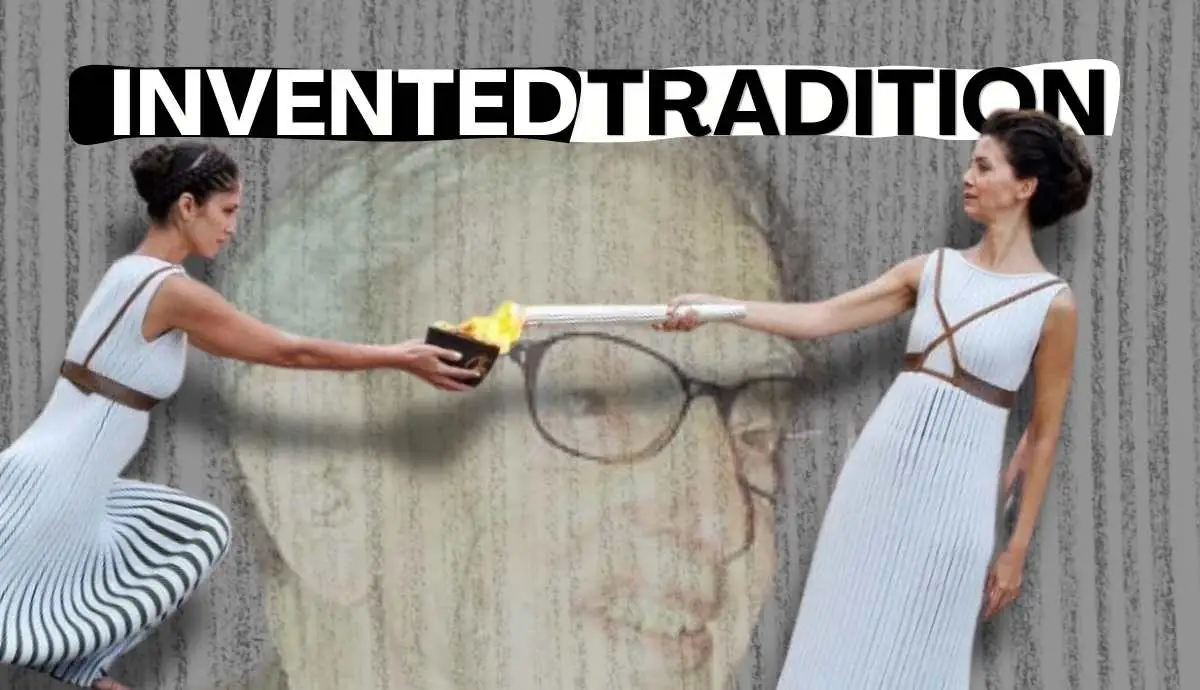
Did you know that the Olympic torch relay was popularized after Berlin’s Olympic Games in 1936? The roots of this ancient-looking tradition do not go before the 20th century, yet it “feels” ancient. This is one example of a tradition invented in the Modern Era to appear ancient. Eric Hobsbawm first wrote about this in Invented Tradition (1983), which he co-authored with Terence Ranger.
Hobsbawm's thesis was that modern states create "ancient-looking" rituals to manufacture a sense of continuity and legitimize their authority in a time when society is changing rapidly due to modernization.
A Few Words about Eric Hobsbawm
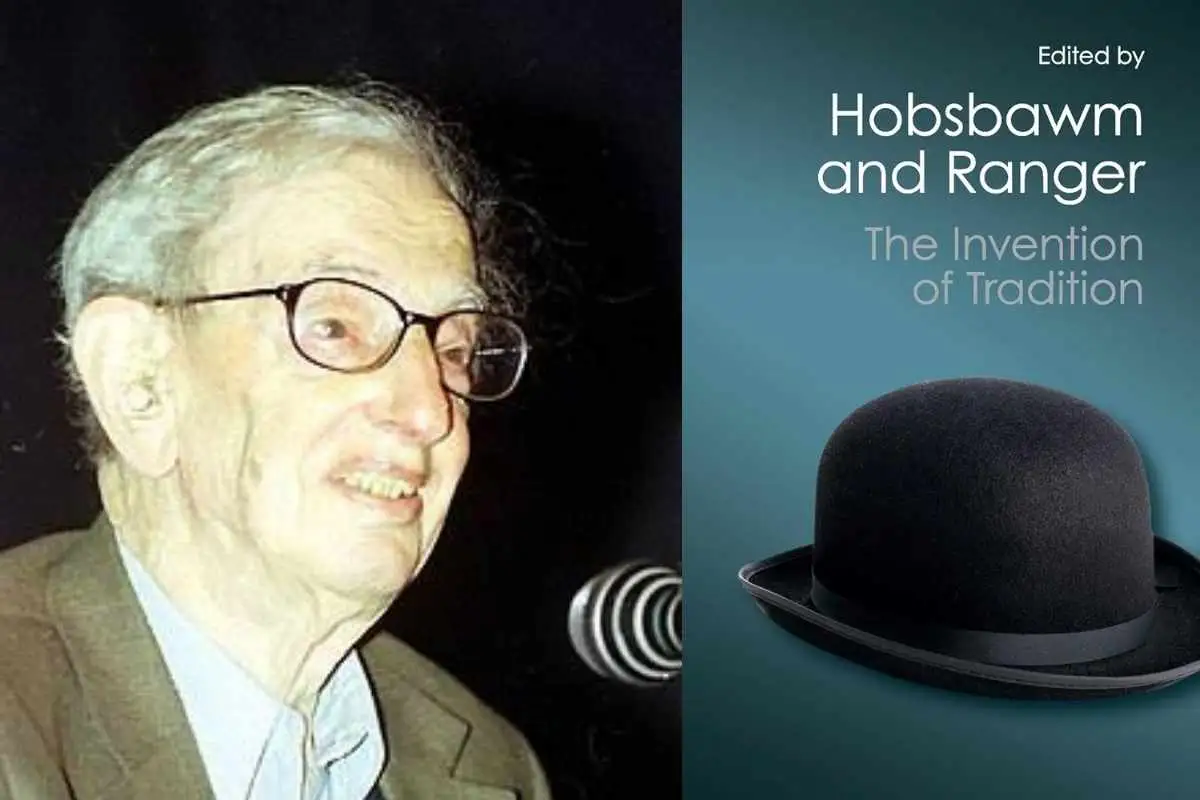
Eric Hobsbawm (1917-2012) was born in Alexandria, Egypt and spent his childhood in Vienna, Austria, but was of British origin. He taught history at Birkbeck College London but his academic career was stumbled by his affiliation with the communist party.
Hobsbawm was a Marxist with strong Leninist influences and remained a member of the British Communist Party until the end of his life. He was in contact with other Marxist historians of his time and influenced by the like of the Annalles School and Gramsci.
His communist reputation remains controversial in Britain.
What Is Invented Tradition?
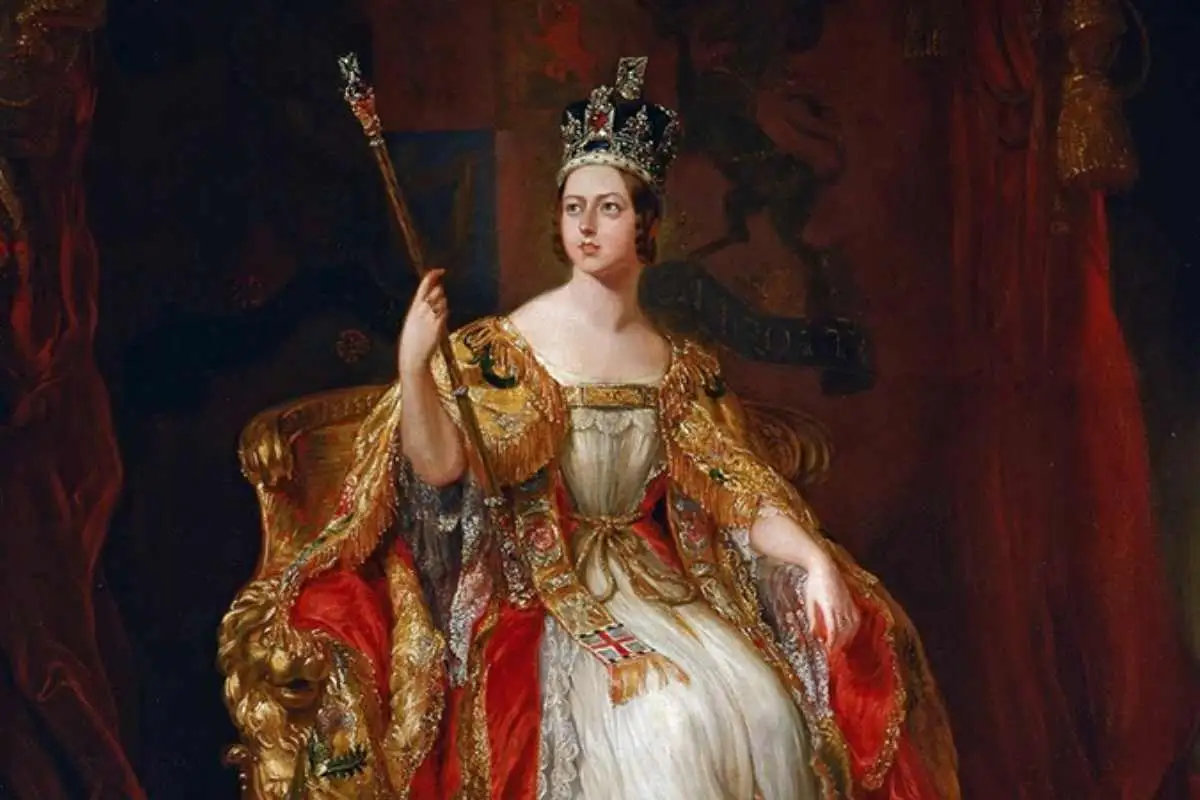
Definition:
“a set of practices, normally governed by overtly or tacitly accepted rules and of a ritual or symbolic nature, which seek to inculcate certain values and norms of behavior by reputation, which automatically implies continuity with the past.” (Hobsbawm, 2000: 1)
Also:
"...a process of formalization and ritualization, characterized by reference to the past, if only by imposing repetition." (Hobsbawm, 2000: 4)
Ritualization is key word here as a tradition needs to be cut off from the real world to become meaningfully ritualized and successful.

For example, Hobsbawm mentions the wigs of judges, which hold symbolic meaning since such wigs are not fashionable anymore and can thus become ritualized within the context of the court of law.
For Hobsbawm, invented traditions arise when old, established traditions are weakened by social transformations, such as the Industrial revolution.
The state and the elites typically invent traditions to provide a sense of historical depth and meaning to modern practices. This way the present is legitimized.
"...[invented traditions] attempt to establish continuity with a suitable past." (Hobsbawm, 2000: 1)
To separate a genuine tradition that is based on actual customs from an invented, Hobsbawm and Ranger propose a historical approach, seeking to locate the roots of a tradition in the past. If a tradition is not adequately ancient, then it must have been invented.
In journalism and popular media, the term is often loosely used to describe a symbolic relationship to the past.
The Three Types of Invented Traditions
According to Hobsbawm, invented traditions generally fall into three overlapping categories, each serving a distinct social function:
- A: Social Cohesion. Traditions designed to establish or symbolize social cohesion and the membership of groups, whether they are real or artificial communities (such as the "nation").
- B: Legitimacy and Authority. Traditions establishing or legitimizeing institutions, status, or relations of authority, often making new power structures appear ancient or divinely ordained.
- C: Socialization. These focus on the "inculcation of beliefs, value systems, and conventions of behavior," essentially teaching individuals how to act and what to believe within a specific social framework.
A Different Approach
A different, phenomenological, approach was proposed in 1984 by Handler and Linnekin who studied our interpretation of traditions, disregarding whether they are genuine, invented, or spurious.
For this approach, all traditions are contemporary social constructions, dynamic processes that are constantly renegotiated in the present.
This way the discussion moves from whether a tradition is invented or authentic to what is its meaning.
Nationalism and Invented Tradition
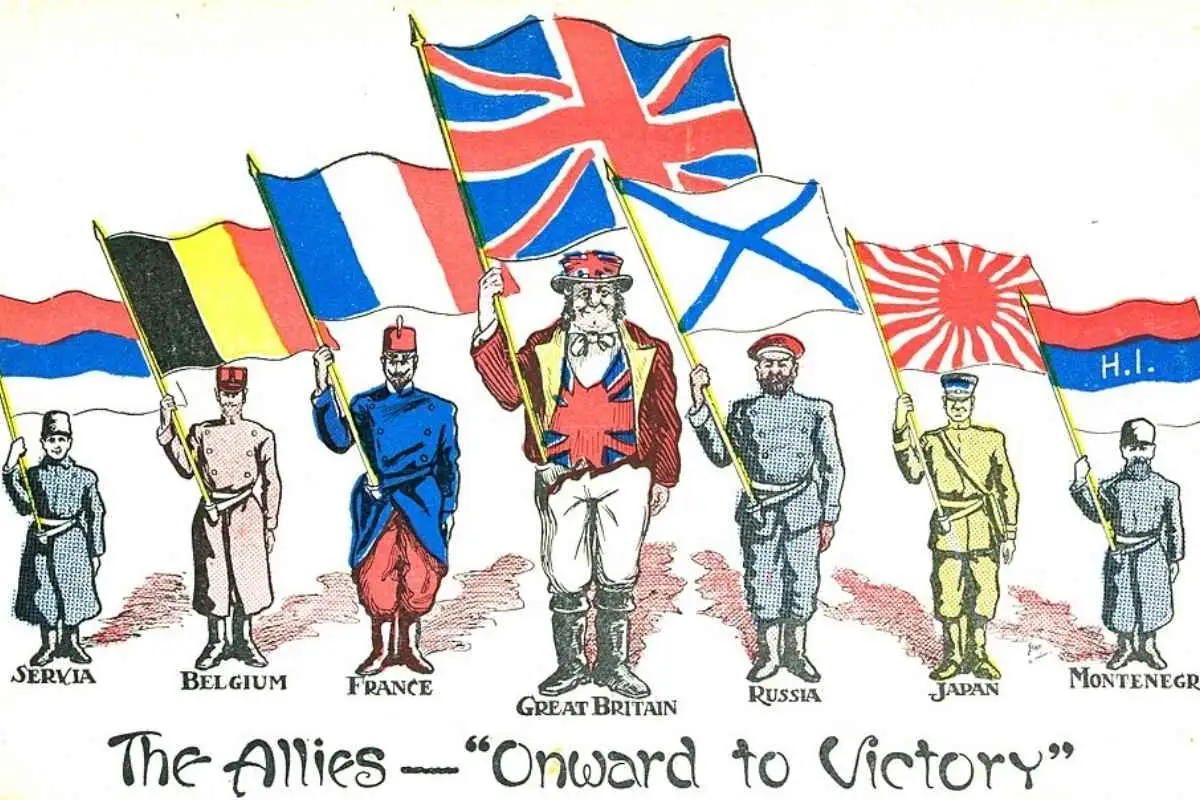
Nations present themselves as natural and ancient but for Hobsbawm, they are entirely novel and constructed.
They invent traditions to strengthen social cohesion and legitimize the authority of the nation-state.
This view makes Hobsbawm a modernist, like Benedict Anderson. Anthony D. Smith later proposed that national identity may be modern but is not entirely constructed. Rather it is synthesized from ethnic communities whose memories, symbols, and myths are coopted by the nation.
Famous Examples of Invented Traditions
- Gothic British Parliament: One example from Hobsbawm's work is the use of the Gothic architectural style for the construction of the 19th century British Parliament and the choice to rebuild it in the same style after it was destroyed in World War II.
- The Olympic Torch Relay: This feels like an ancient Greek ritual, but it was invented in the 20th century and popularized by the 1936 Berlin Olympics.
- The Kilt's association to specific tribes: The kilt, the pipe, and other elements of Scottish identity are modernly constructed. That doesn't mean that these things did not exist before modern times, but they were adapted to fit specific narratives (ie Scottish nationalism) and ritualized to represent the archetype of the Scotsman. (For more see Trevor-Ropper 2012)
This article from TheCollector summarizes some case studies from Hobsbawm and Ranger's 1983 edited work.
Bibliography
- Handler, R. and Linnekin, J. (1984). Tradition, Genuine or Spurious. Journal of American Folk-lore 97 (385): 273-90. 10.2307/540610
- Hobsbawm, E., & Ranger, T. (Eds.). (2000). The invention of tradition. Cambridge University Press. (Original work published 1983)
- Plant, B. K. (2008). Secret, powerful, and the stuff of legends: Revisiting theories of invented tradition. The Canadian Journal of Native Studies, 28(1), 175–194.
- Trevor-Roper, Hugh. (2012). The Invention of Tradition: The Highland Tradition of Scotland. 10.1017/CBO9781107295636.002.