Pierre Nora's "Lieux de Mémoire": Definition & Examples
Lieux de mémoire or sites of memory are places or objects which act as repositories of memories. The term was coined by French historian Pierre Nora.
Definition
Pierre Nora defined "lieux de mémoire" as material or abstract entities, like monuments or symbols, that anchor collective memory and shape a community’s shared identity.
French historian Pierre Nora (1931-2025) coined the term "lieux de mémoire" (sites of memory) in the late 1970s to describe material or abstract objects that carry memories of the past into the present.
Between 1984 and 1992 Nora edited three volumes of his famous work titled Les Lieux de Mémoires which listed important sites linked to French national identity.
Nora's sites of memory is an essential concept for everyone interested in history and the broader fields of reception and memory studies.
Definition of Lieux de Mémoire
Clarification: You will find the term used both as lieu de mémoire (plural: lieux de mémoires) and as sites of memory.
Here is a detailed definition of the term in Nora's own words:
"A "lieu de mémoire" is any significant entity, whether material or non-material in nature, which by dint of human will or the work of time has become a symbolic element of the memorial heritage of any community (in this case, the French community)" (Nora 1996, XVII)
This brief but rather concise defintion is also useful:
"liex de mémoire where memory crystallizes and secretes" (Nora 1989, 1).
It is important to clarify here that with the term memory, Nora refers to collective memory (i.e, common memories that shape the identity of groups of people).
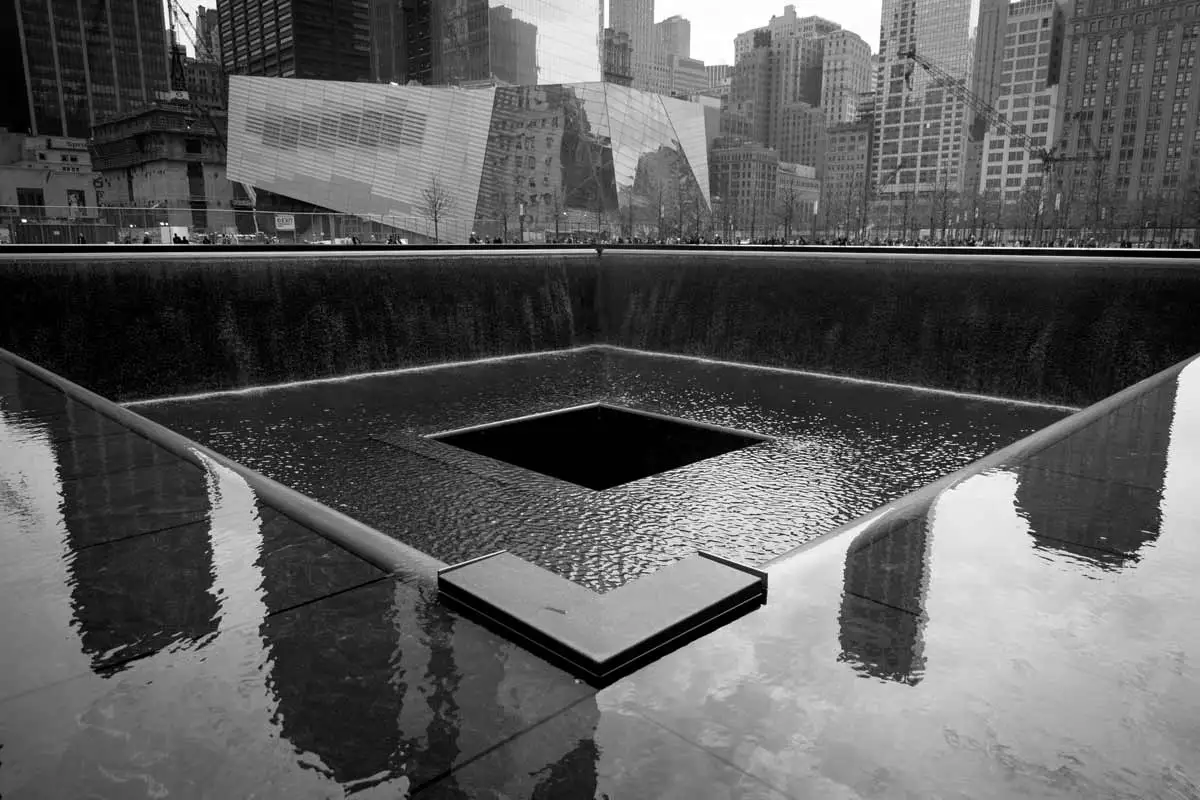
A simple example is that of the National September 11 Memorial, a space that acts as a repository for the memory of the 9/11 attacks of 2001. The memorial is not only keeping the memory alive but also shapes the way the memory itself is preserved (in this case the memory is crystallized as a physical void in the exact spece where the twin towers once stood) so that it can be effectively accessed by a wider audience.
📜 You may also enjoy reading our article on Freud's uncanny, with examples from Greek Mythology.
Examples of Lieux de Mémoires from Nora's Work

For Nora, a lieu de mémoire could be anything from a monument to a color.
Here are some key examples:
- the three colors (blue, white, red) of the French flag (le Tricolore)
- the French national anthem (la Marseillaise)
- the Louvre museum
- monuments to the fallen of wars (like the tomb of the unknown soldier)
- the Notre-Dame
- the commemoration of July 14th, the French national holiday.
Memory vs. History
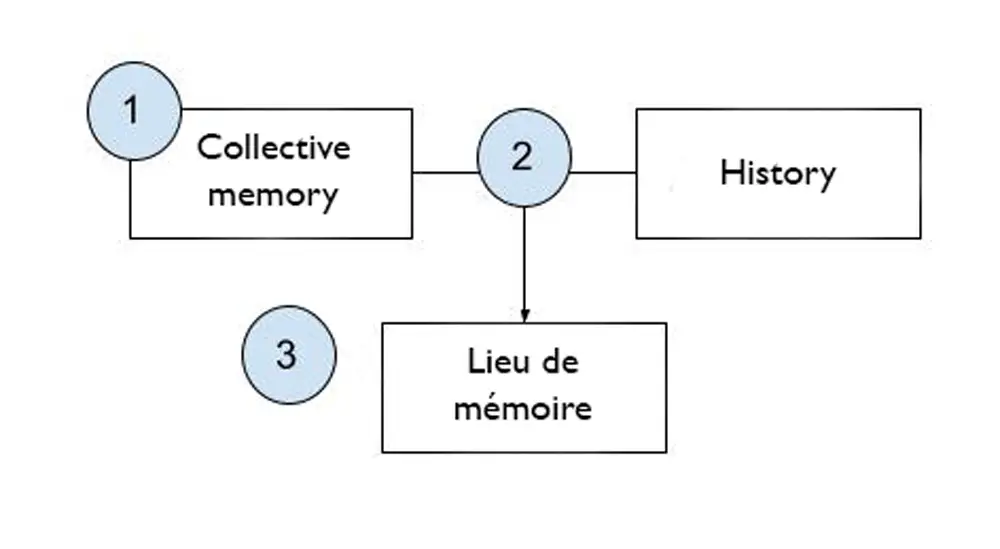
Nora believed that there is a divide between (collective) memory, a spontaneous memory of the past kept alive by the public, and history, an institutionalized form of memory that the elites enforce. For Nora, as history progresses, memory grows weaker, history grows stronger and seeks to monopolize the past.
For Nora, the sites of memory are places that belong to history, but contain a fraction of the memory that was lost (sort of the result of a typical dialectical scheme where a thesis (collective memory) loses the battle against an antithesis (history) and the result of the struggle is a synthesis (lieu de mémoire) that contains parts of what was lost and what won.
However, here it should be noted, that historians after Nora, tend to view history as a form of memory that constructs the past as much as it seeks to institutionalize it. So Nora's dualistic appraoch that positioned history against memory is considered rather obsolete.
Connection to Marc Augé's Non-Places
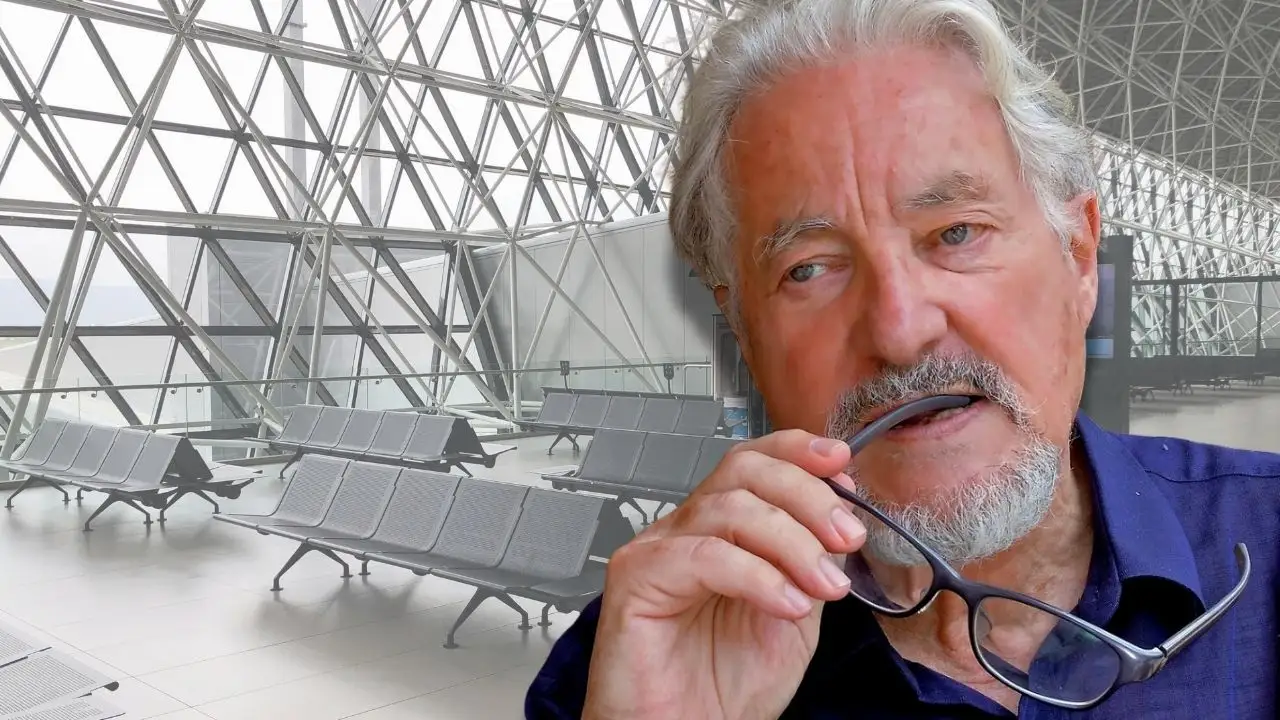
In a work parallel to that of Nora, Marc Augé wrote that Supermodernity (a late stage of modern capitalism) turns social spaces into places of pure passage (non-places) like gas stations or highways and sites of memory, i.e.t objects where collective memory is taken out of the active social space and musealized.
📜 You may also enjoy reading our article on why Herodotus was known as the father of lies.
A Critique
These examples demonstrate how broad Nora's definition of a site of memory could be. In fact, some critics have argued that the term is so loose that it means nothing (see Olick and Robbins 1998).
Truly the term can mean anything, from a word to a language, from a symbol to a tradition, from a historical event to a landscape and from a parade to even a whole province can be considered sites of memory if a researcher deems them to hold the symbolic capital.
What a critic perceives as a weakness, someone else can see as a strength as it allows a researcher to isolate spaces and study them as standalone units of collective memory.
Bibliography
- Nora, P. 1989. Between Memory and History: Les Lieux de Mémoire. Representations 26,. 7-24. doi: 10.2307/2928520
- Nora, P. 1992. Les Lieux de memoire. Paris: Les Frances, La Republique, Le Nation.
- Olick, J. and Robbins, J. 1998. Social Memory Studies: From 'Collective Memory' to the Historical Sociology of Mnemonic Practices. Annual Review of Sociology 24.: 105–40.