Canon and Archive: Aleida Assmann's Cultural Memory Theory
To understand collective memory, one needs to understand the difference between the canon (active remembering) and the archive (passive remembering).

In Phaedrus, Plato argued that writing corrupted memory as humans no longer relied on their selves to remember things but on written accounts. So in Plato we first encounter a differentiation between an active form of remembering, and a passive one where memory is stored (writing). Today, theorists refer to these two different functions of collective memory as canon (active remembering) and archive (passive remembering). In the following article, I will seek to define these terms and explain their relationship based on a paper by Aleida Assmann.
The Two Aspects of Cultural Memory
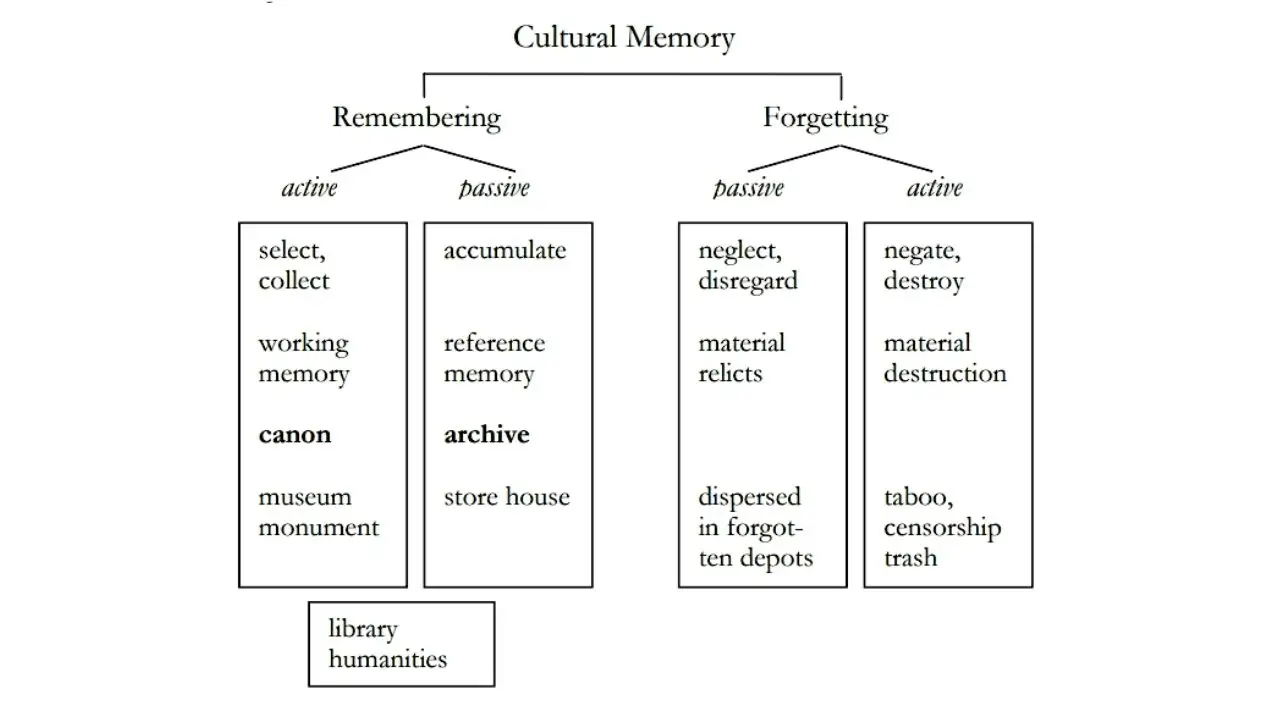
Collective memory as conceptualized by Maurice Halbwachs is dynamically formed by the dialectic between forgetting and remembering. Human societies select some things that need to be remembered but discard other things as not worth the effort.
When it comes to cultural memory (i.e., the long-lasting form of collective memory that can keep stories alive for millennia), it is important to see forgetting as a natural process. Besides, memory capacity is limited even for civilizations.
Forgetting

Forgetting is the normality of life. Things tend to wither away, life naturally leans toward death, our mark on the world tends to disappear.
Aleida Assmann distinguishes between two forms of cultural forgetting:
- Active forgetting: intentional acts, such as trashing and destroying. When directed at an alien culture or minority active forgetting tends to take violent forms. Censorship is also a forceful form of active forgetting.
- Passive forgetting: non-intentional acts, such as losing, hiding, dispersing, neglecting, abandoning, or leaving things behind. Objects are not necessarily materially destroyed but mostly fall out of use and attention. What was forgotten in this way, can be rediscovered by accident (such as when someone searches their attic and discovers old photos) or not (e.g. in systematic archaeological excavations).
Archaeology is a key institution that places objects on a path from cultural forgetting to cultural memory.
Remembering
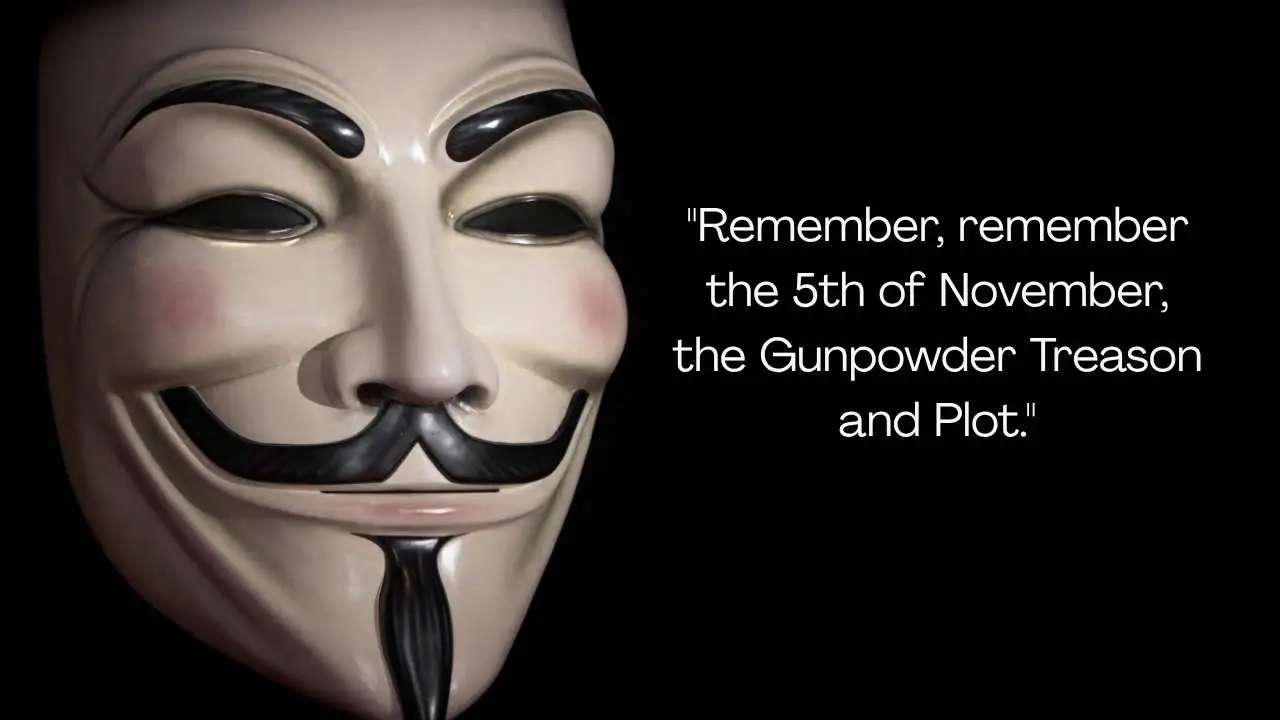
Remembering is the exception to the rule of forgetting and a process that requires more effort. Cultural memory is the duty of institutions who take up the task of preserving things despite their natural tendency to be forgotten.
Assmann again sees two forms of remembering (one active and one passive) which she illustrates using the metaphor of a museum. A museum has public galleries where objects are exhibited to make a lasting impression on viewers (the active form). However, that same museum also contains closed storerooms where other objects are kept out of public view (the passive form).
- Canon: Active remembering. It preserves the past as present. Think of the objects at a museum's permanent exhibition.
- Archive: Passive remembering. It preserves the past as past. Think of the objects at a museum's storerooms.
Canonization
Definition: The complex process under which an artifact acquires canonical status. Assmann defines it as a “sanctification”; to endow texts, persons, artifacts, and monuments with a sanctified status is to set them off from the rest as charged with the highest meaning and value".
Only a small percentage of objects can be canonized. The rest remain at the cultural storehouse. They have lost their immediate addresses, they are de-contextualized and disconnected from their former frames of meaning. This provides a new opportunity, as they are now open to receiving new meanings and new interpretations.
Canon
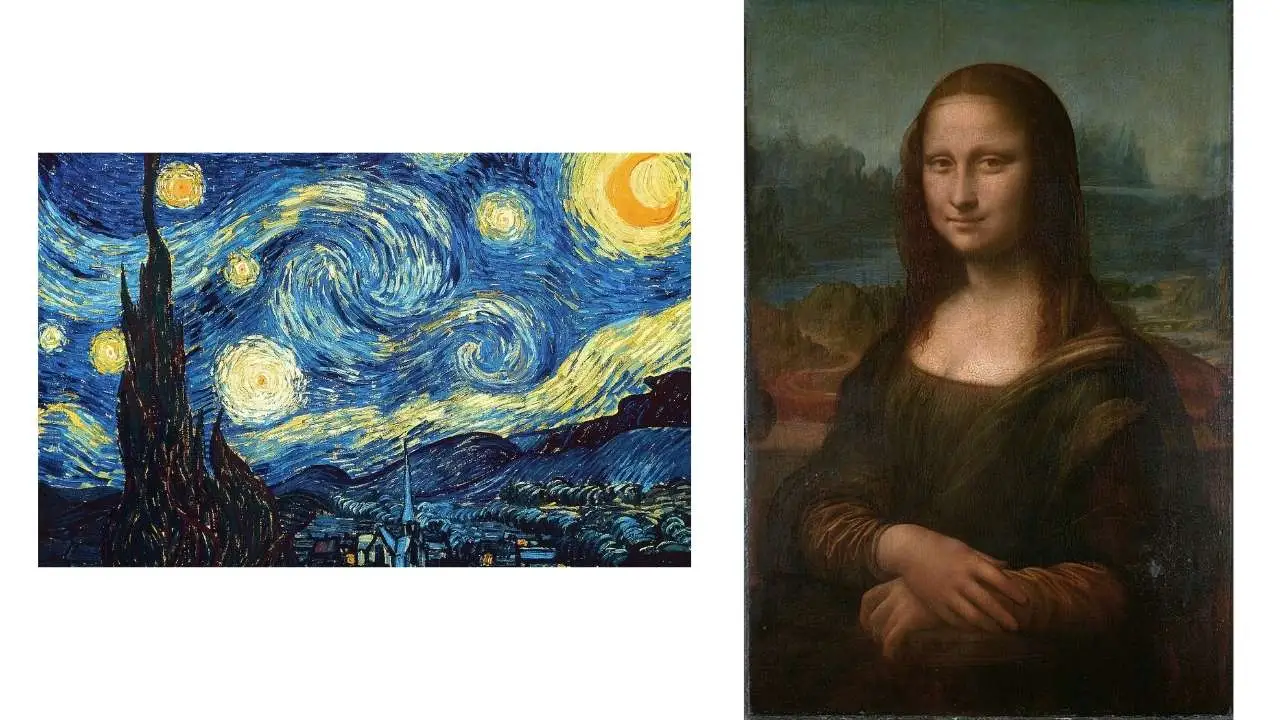
Definition: Canon is the active facet of cultural memory that supports collective identity and is defined by a shortage of space. What is actively remembered has made it through the canonization process.
The elements of the canon have three qualities:
- Selection: what makes it into the canon is the result of decisions and power struggles.
- Value: what makes it to the canon gains an aura and a sacrosanct status.
- Duration: cultural memory (long term collective memory that outlasts generations) is the central aim of the procedure. Each new generation reinterprets the canon through the lenses of their time and this revitalizes the canon.
Three core areas of active cultural memory:
- Religion: closed canons subject to no or little change (eg sacred texts).
- Art: secular and more open canons (eg literary classics).
- History: national histories of nation states that can be presented as monuments and commemoration dates.
Archive
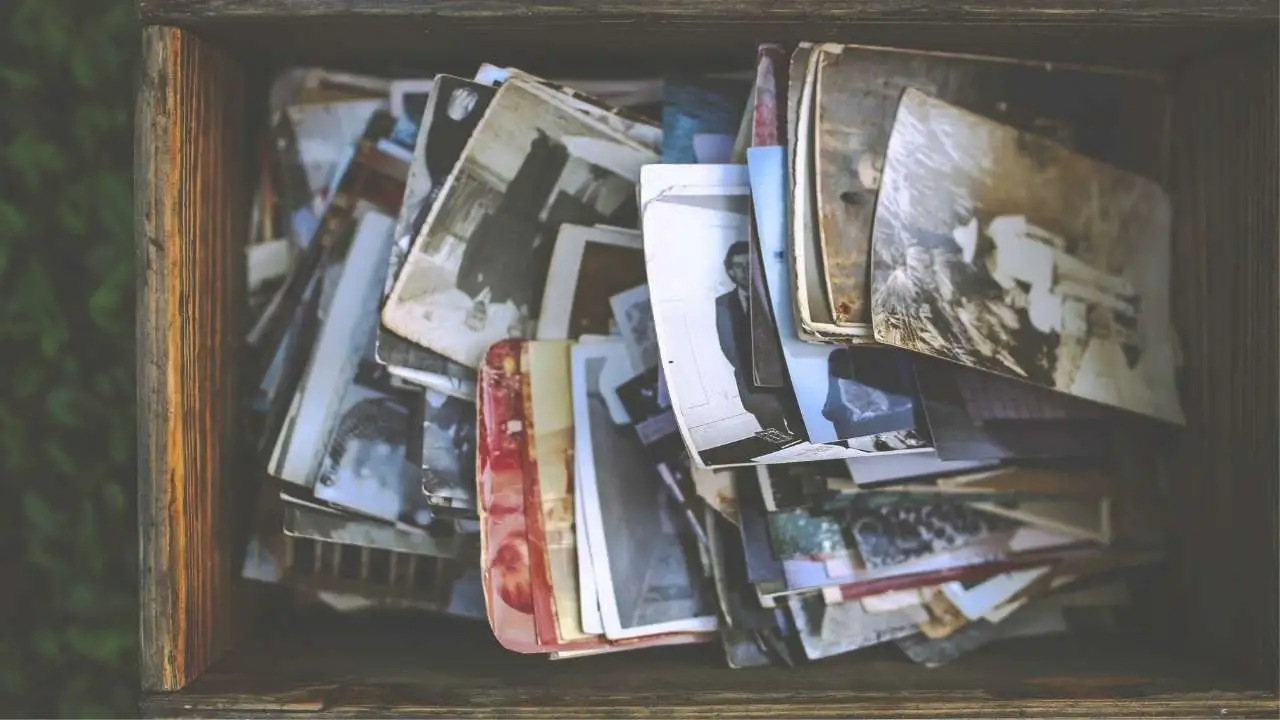
The archive is the basis of what can be said in the future about the present when it will have become the past. (Assmann 2010)
Definition: The archive is the primary institution of the passive cultural memory. It sits somewhere between active memory and forgetting. It is a space of intermediary storage, where memories are preserved in a state of latency waiting to be reactivated.
Key points about archives:
- Archives have always been tools of political power with key roles in bureaucratic systems.
- Archives get outdated fast.
- Once outdated, they are either discarded or retained as objects of academic interest thus transitioning from the political archive to the historical archive.
While political archives function as key tool for power, historical archives store information which is no longer of immediate use. They become objects of academic fascination. Still that doesn't mean that they cannot be reactivated, if necessary in the future.
What's the relationship between canon and archive
Both the canon and the archive are not static. They continue growing or diminishing, as elements are introduced or lost. What is in the canon can suddenly become irrelevant and move to the archive, while something that was inactive in the archive might suddenly gain a new meaning that allows it to become canon and "live" a new life.
So the relationship between these two is dialectic. They are the opposite side of the coin of remembrance just as memory is the opposite side of forgetfulness.
Cultural Memory in the Digital Age
In the digital age, archival knowledge is growing incredibly fast. Think of Wikipedia or the Wayback Machine. There has never been so much information stored as today. All this memory remains inactive for a world that can hardly process it.
"In the age of digital media, the growing rift between the amount of externalized information and internalizable knowledge becomes ever more dramatic. As the capacity of computers is doubled every two years, the external storage capacity of the digital age has expanded even further, while the human capacity for memory remains the same due to its neural constraints."
The internet doesn't forget. But is this a bad thing? An archive can be a powerful tool in the hands of minorities or against totalitarianism. Besides, throughout history one of the most powerful mechanisms that the ruling elites had at their disposal was the ability to control what is forgotten. A larger archive may present us with the potential of a more imaginative canon, and a more imaginative canon with a different, freer world.
Bibliography
- Assmann, Aleida. 2010. "Canon and Archive". Cultural Memory Studies: An International and Interdisciplinary Handbook, edited by Astrid Erll and Ansgar Nünning, Berlin, New York: De Gruyter, pp. 97-108. https://doi.org/10.1515/9783110207262.2.97
Also read: