How Difficult Is Difficult Heritage?
How nations confront dark pasts, and why public acknowledgment often serves as modern institutional purification.
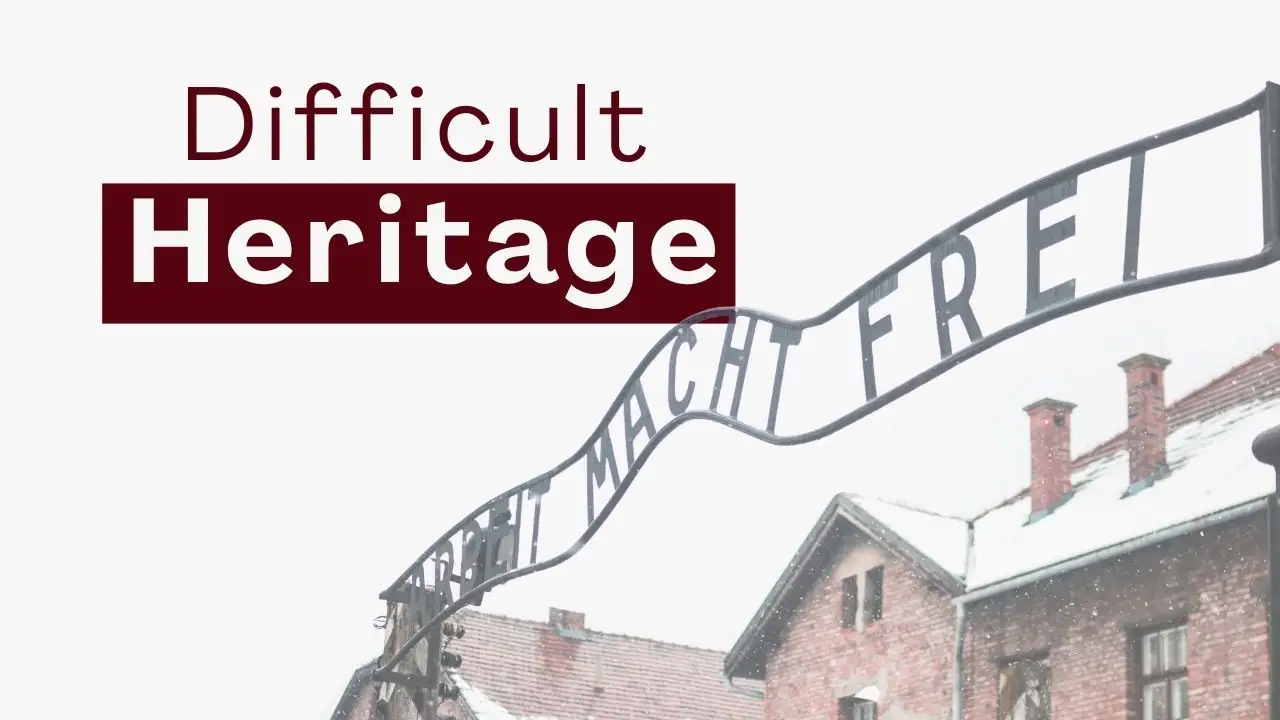
Key Takeaways
- Difficult heritage involves contested, uncomfortable pasts that can disrupt narratives about collective identities.
- Institutions now frequently exploit this openness performatively, using past admissions to cleanse their brand image and avoid contemporary accountability.
Traditionally, collective memory has centered on positive narratives that foster national pride, leaving uncomfortable truths hidden. However, every society possesses "difficult heritage"—the darker, contested chapters of history that disrupt established identities.
Today, engaging with difficult heritage is increasingly celebrated. This raises the question: is this engagement with a difficult past still difficult or has it become a performative tool for institutions seeking moral purification?
What is difficult heritage?
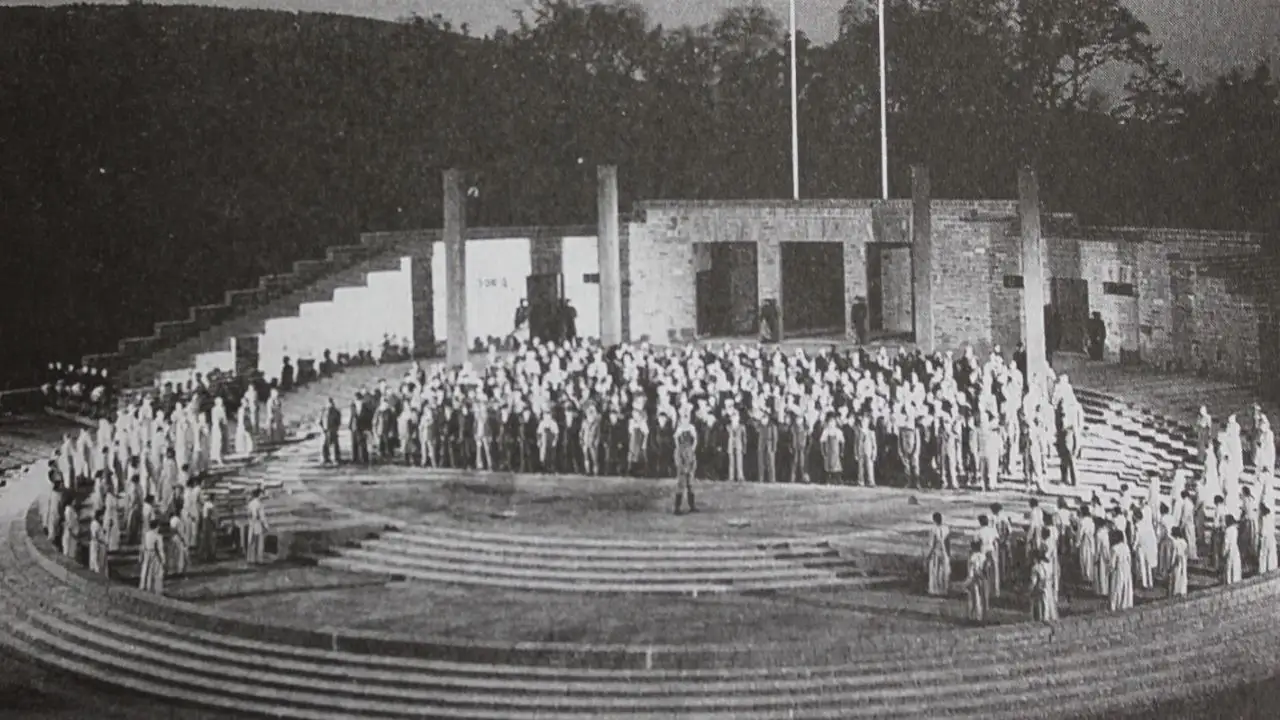
Difficult heritage refers to the darker aspects of collective memory that are contested and difficult to engage with.
The British anthropologist and museologist, Sharon Macdonald, is widely credited with popularizing the term in her work Difficult Heritage: Negotiating the Nazi Past in Nuremberg and Beyond (2009).
There, she defined difficult heritage as:
"a past that is recognised as meaningful in the present but that is also contested and awkward for public reconciliation with a positive, self-affirming contemporary identity". (2009, 1)
Difficult heritage is difficult because it is contested and sensitive. Usually, when it comes to nations, heritage that is uncomfortable is likely to be forgotten or withdrawn from public view. The rule, up until recently, has been that nations promote a version of history that underlines their positive aspects that boost their pride and bring the members of the nation together.
Promoting difficult heritage comes with risks. Difficult pasts can disrupt and question established narratives, thus upsetting collective identities. This is a process that can lead to tension.
The term presents similarities with dissonant heritage.
The Case of Germany
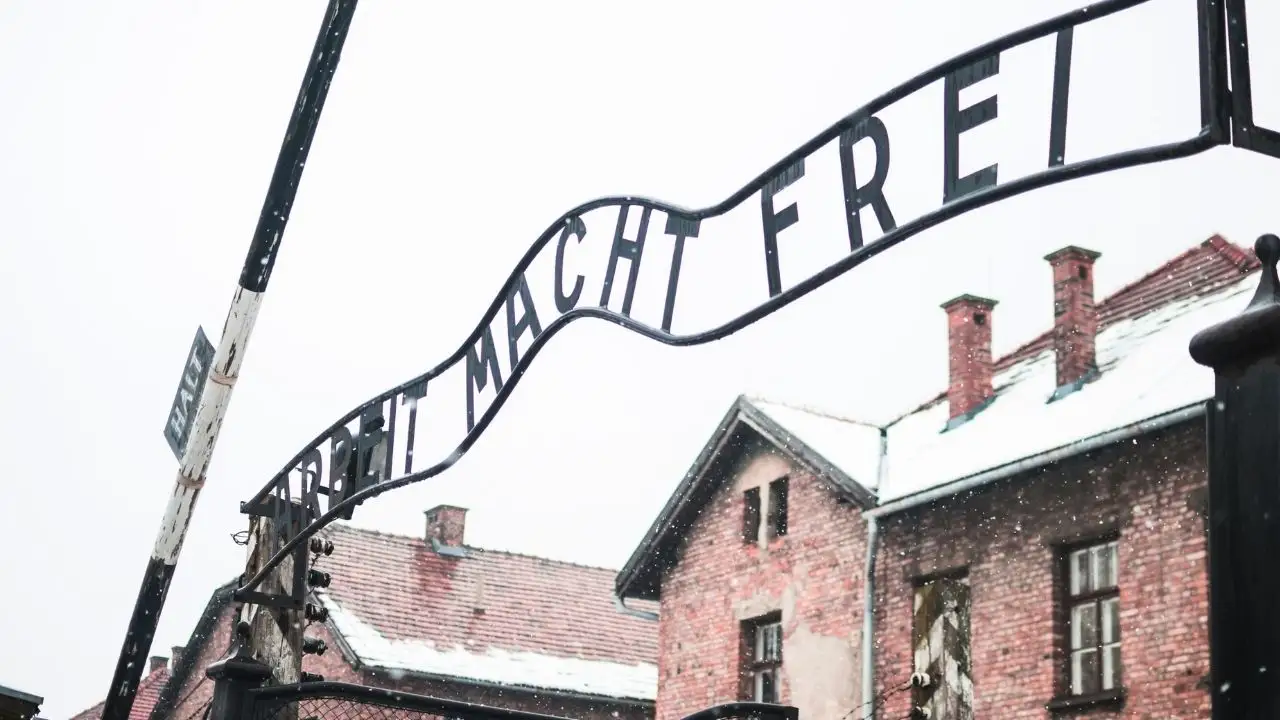
A textbook example of difficult heritage is, without a doubt, Nazi heritage. In the aftermath of WWII, the material remnants of the Nazi past were largely neglected or reused.
Initially, the prevalent tendency, at least in Western Germany, was to forget. However, in the 60s this was seen as a moral failure of addressing the past properly. In the 80s this tendency gained momentum and sought to bring the past back into the light.
As Macdonald (2009, 14-15) underlines, this perception was rooted in psychoanalytic ideas concerning repression and trauma. The idea was that if the trauma of the war and the Nazi past was not addressed properly, it would "infect" subsequent generations. The trauma had to be dealt with.
"What this meant was that, increasingly, any non-acknowledgement of the Nazi past—any unwillingness to confront it—was regarded not just as non-action but as a moral failing". (Macdonald 2015, 15)
With unification, the German state sought to show to the world and to itself that the Nazi past had not been forgotten.
Addressing difficult heritage as a diversion
According to Macdonald, Germany served as an example that helped establish a new model of collective identity, one which promotes addressing difficult pasts. Being open about past crimes is widely perceived as a positive action.
However, there are serious concerns as to the extent to which the performance of openness can be employed to achieve politically dubious goals. As publicly showcasing your difficult past is now seen as an act of moral strength, Macdonald argues that difficult heritage is increasingly becoming less difficult.
The point is that difficult heritage is difficult because it raises controversies. It is upsetting and contested. However, all over Europe, we are seeing more and more exhibitions by museums, libraries, and even private companies that seek to address their darker sides and they receive positive responses.
Still difficult?
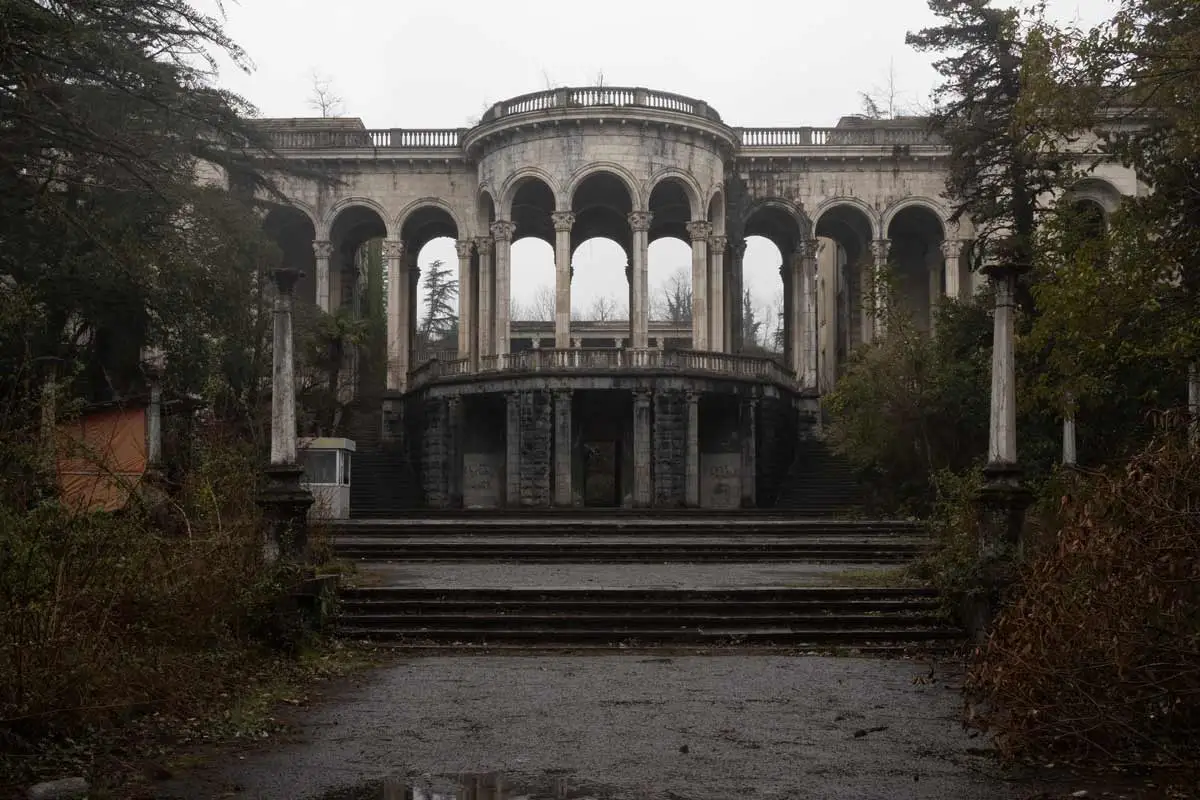
As Macdonald explains, the motivation behind many of these exhibitions is not an eagerness to sincerely engage with the past and to address injustices. It is rather an act of purification.
By being open about their past, many institutions seek to cleanse their image. The narrative is "I speak about it, therefore I am absolved of all past sins, and am now ready to start anew morally clean".
We would be right to be suspicious of such acts as they can serve as a diversion from other more pressing, contemporary issues.
For example, an institution may host an exhibition about its role during a colonial endeavor in order to draw attention to that past, and reframe itself as morally good. This way, the said institution will manage to avoid being accused of its dubious current stance on a contemporary war or its relations with a regime.
Of course, we should not be cynics. Not all exhibitions are like this. And still, even if it's not as disruptive as it once was to address difficult heritage, it still poses significant moral and representational challenges.
There are many other factors that may have played into this. Difficult heritage may not be as difficult to engage due to the time that has lapsed (e.g. few WWII veterans are still alive, so it's easier to address the period), the fascination with dark heritage (i.e. heritage associated with death, sickness and the darker aspects of human nature), and of course the great tendency of our times to remember everything and turn every space into either a non-place or a memoryscape.
Bibliography
- Macdonald, Sharon. 2015. Is ‘Difficult Heritage’ Still ‘Difficult’?: Why Public Acknowledgment of Past Perpetration May No Longer Be So Unsettling to Collective Identities. Museum International. 67. 6-22. 10.1111/muse.12078.
- Macdonald, Sharon. 2009. Difficult Heritage: Negotiating the Nazi Past in Nuremberg and Beyond. London: Routledge.