Pheidippides, Eucles, or Fake News? The Marathon Runner Legend
Did a Greek runner really die delivering news of Marathon and what was his name?

Summary: The Marathon Runner Myth
- Herodotus (5th c. BC) never mentions anyone running from Marathon to Athens. He only records a man named Pheidippides or Philippides running 240 km from Athens to Sparta before the battle to request aid.
- The tale of a messenger dying after running from Marathon to Athens appears only in the Roman Imperial era, attributed variously to Thersippus, Eucles, and Philippides.
- The 2nd-century satirist Lucian conflated the two stories.
Every year, hundreds of thousands of runners test their endurance in a run that covers 42.195 kilometres, the Marathon. We all know the legend: after the Athenians beat the Persians on the plain of Marathon in 490 BC, an Athenian messenger ran to the Acropolis, shouted something along the lines of "We won!", and dropped dead on the spot from sheer physical exhaustion.
When I first heard this story in school, it bothered me how thousands of people accomplish this same run every year, but that ancient runner passed away. Did modern humans suddenly become extremely resilient long-distance runners?
The answer bothered me until I figured out that this was all a... myth.
In a previous article, I talked about how the marathon was recently invented as an Olympic sport, but this time I want to touch upon a different issue. I would like to discuss the story of this ancient runner, who is widely known as Pheidippides today, but as you will soon see, even his name is uncertain.
| Source | Athens–Sparta | Marathon–Athens | Died? |
| Herodotus (c. 440 BC) Histories 6.105–116 | YES — Pheidippides (runs ~240 km before battle; meets Pan on Mt. Parthenion) | NO — Not mentioned (the entire Athenian army marches back to Athens) | NO — Survived and returned |
| Aristophanes (423 BC) Clouds 63–67 | NO — He mentions a Pheidippides but not in relation to the battle of Marathon. | NO | NO |
| Heraclides Ponticus (4th c. BC) Cited in Plutarch, Moralia 347C | Not mentioned | YES — Thersippus of Oenoe (runs ~40 km to announce victory) | YES — Dropped dead after delivering news |
| Plutarch (1st c. AD) De gloria Atheniensium 347C | Not mentioned here (noted elsewhere) | YES — Eucles (hoplite in full armor; cries "Chairete, chairomen!") | YES — Collapsed and expired at the door |
| Lucian (2nd c. AD) Pro lapsu inter salutandum 3 | Conflated with the Marathon runner | YES — Philippides (fuses courier with hoplite; cries "Chaire, nikōmen!") | YES — Died with the greeting on his lips |
| Modern Olympic Myth (1896–Present) | Overlooked until Spartathlon was founded (1983) | YES — Popularized as Pheidippides running 40 km from Marathon to Athens | YES — Celebrated as a fatal patriotic sacrifice |
What Herodotus Wrote
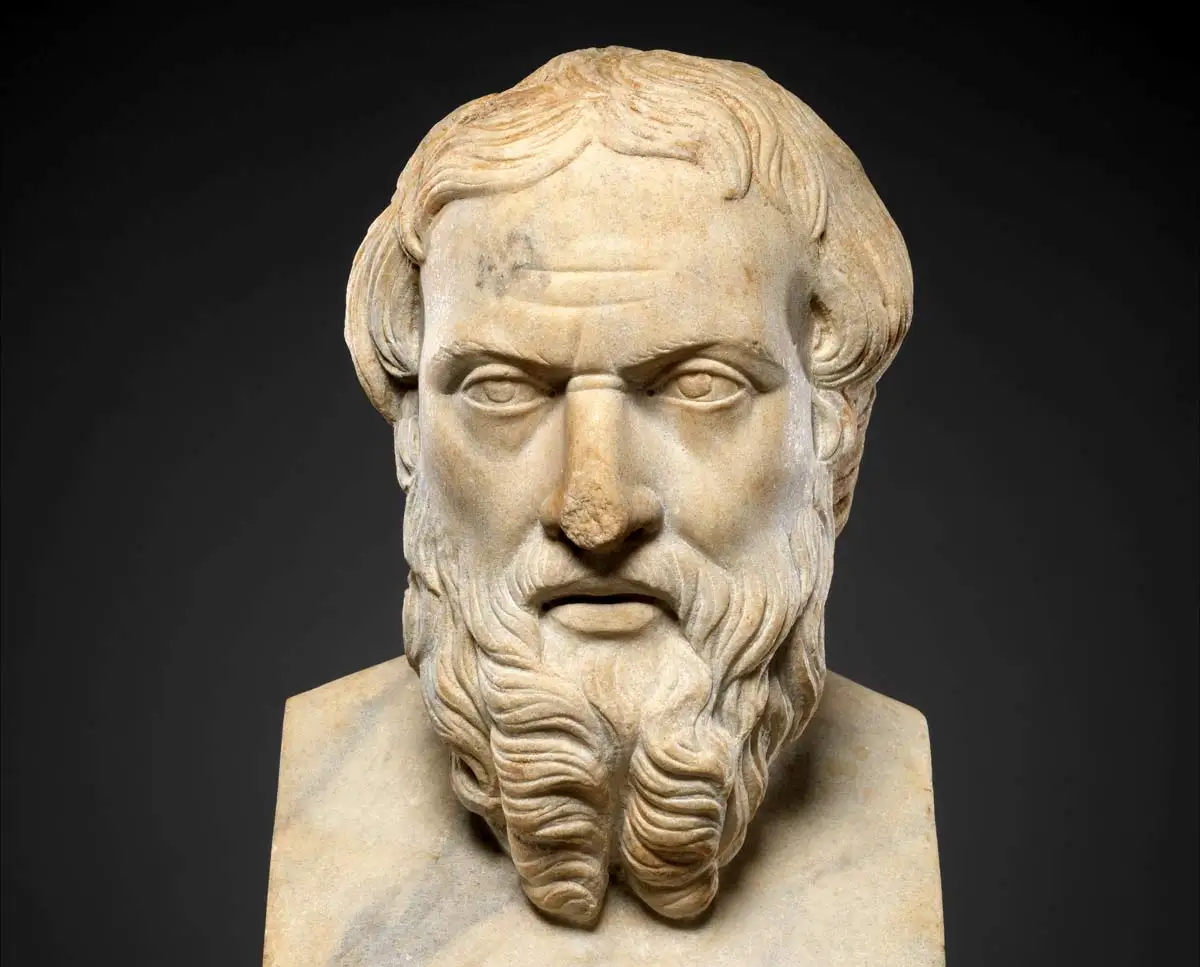
The ancient writer closest to the battle, Herodotus, never mentions anyone running from Marathon to Athens to announce the victory.
In fact, the story of the dying runner does not appear in any surviving historical record until more than five centuries later.
Herodotus wrote The Histories almost four decades after the Battle of Marathon (c. 440 BC). There were still veterans alive whom he interviewed (like the story of Epizelus and the ghost warrior).
In Book 6 (6.105–106), Herodotus mentions a runner who ran before and not after the battle. His mission was to reach Sparta and request reinforcements against the Persians. This runner was a professional long-distance runner (hemerodromos; all-day runner), and he managed to run 240 km from Athens to Sparta within 48 hours.
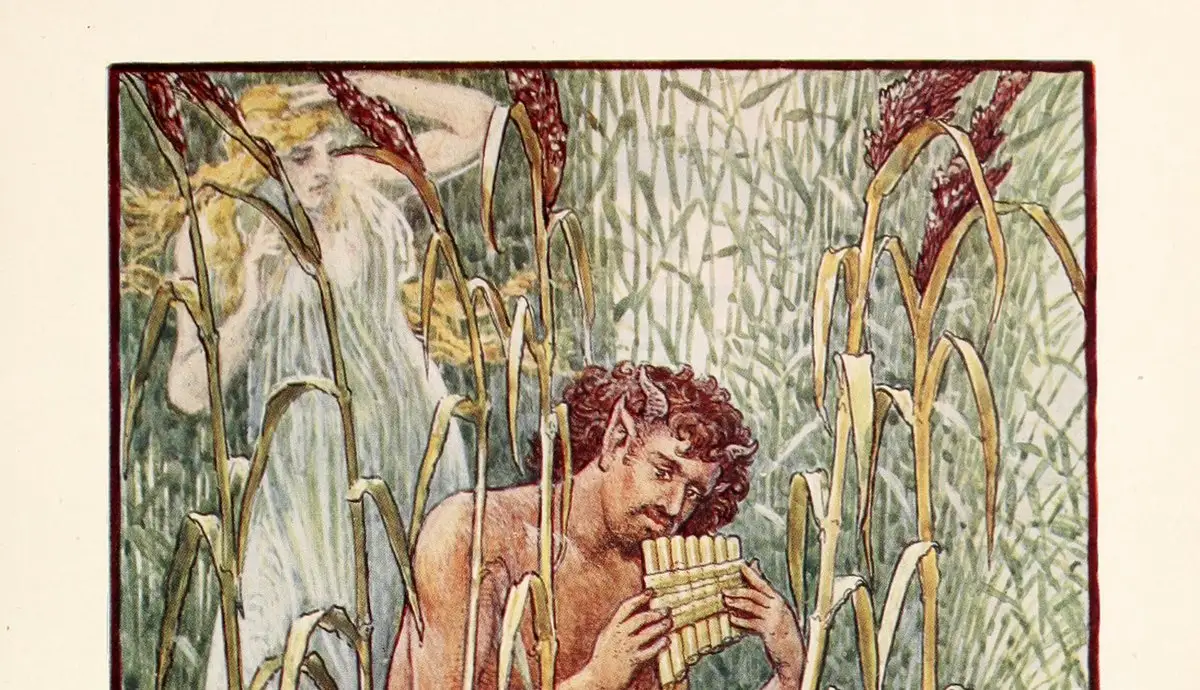
This messenger had a strange encounter during his run. Near Mount Parthenion above Tegea, he met the Great God Pan, who complained that Athens neglected him despite his goodwill.
After the triumph at Marathon, the grateful Athenians established Pan's sacred cave beneath the Acropolis and held annual torch races in his honor, believing that the god instilled panic (panic is what Pan does) into the hearts of the enemy.
This messenger did not die. He returned to Athens and successfully delivered the message that the Spartans would not be able to march until the full moon due to religious reasons.
Philippides or Pheidippides?
Now, when it comes to his name, there is a strange confusion. Herodotus is one author who wrote one work, The Histories. However, this single work survived through multiple manuscripts. Some of these manuscripts record the runner's name as Philippides, while others give Pheidippides.
It seems more likely that Philippides was the actual name, as it was also common in Athens at the time, whereas Pheidippides was highly unusual.
Philippides' Run from Athens to Sparta
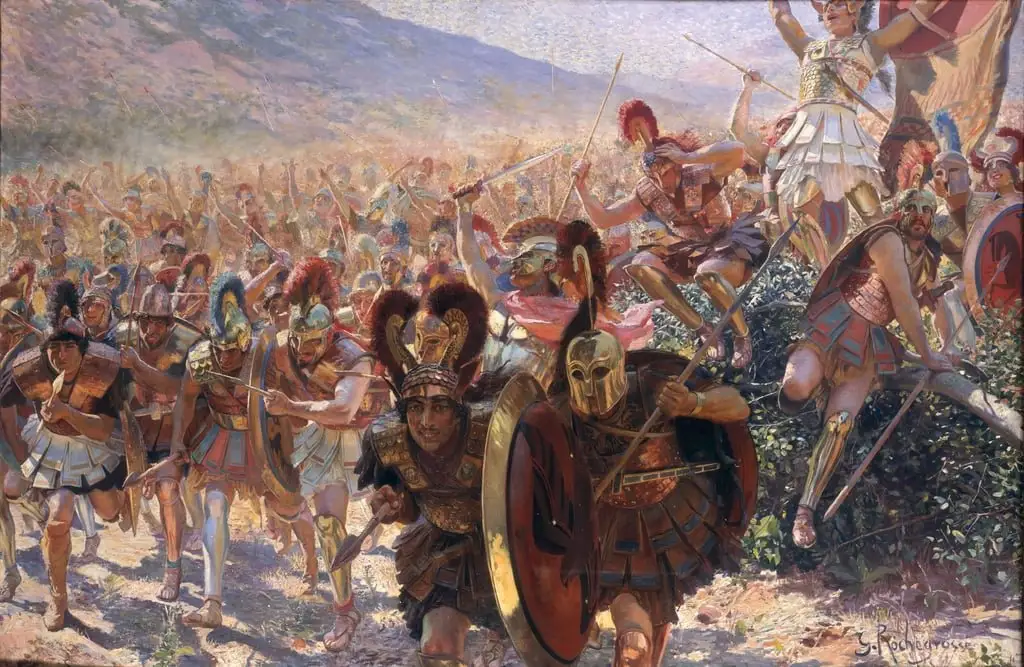
The mixup is due to Aristophanes' comedy The Clouds (423 BC), where the "rustic" father Strepsiades quarrels with his aristocratic wife over what to name their son. The father wants a name containing pheid- (sparing/saving), while the snobbish mother insists on a high-status horse name containing -hippos. The comic compromise is "Pheidippides".
It is possible that Aristophanes intentionally distorted the name Philippides to avoid using the hemerodromos' name, but that is a hypothesis.
So Aristophanes' unusual Pheidippides, a persona that had nothing to do with Marathon, may have been the source of confusion for future scribes of Herodotus' The Histories.
In De Herodoti malignitate (862a), Plutarch names the runner as Philippides, further strengthening the theory that this was the original name that was later corrupted to Pheidippides.
In Plutarch, just as in Herodotus, Philippides runs from Athens to Sparta, not from Marathon to Athens.
Pliny the Elder also mentions that Philippides accomplished the incredible feat of running "one thousand one hundred forty stadia" (the distance from Athens to Sparta and back) in only two days. Pausanias also seems to know Philippides as the messenger who ran from Athens to Sparta.
Who Were Thersippus and Eucles?
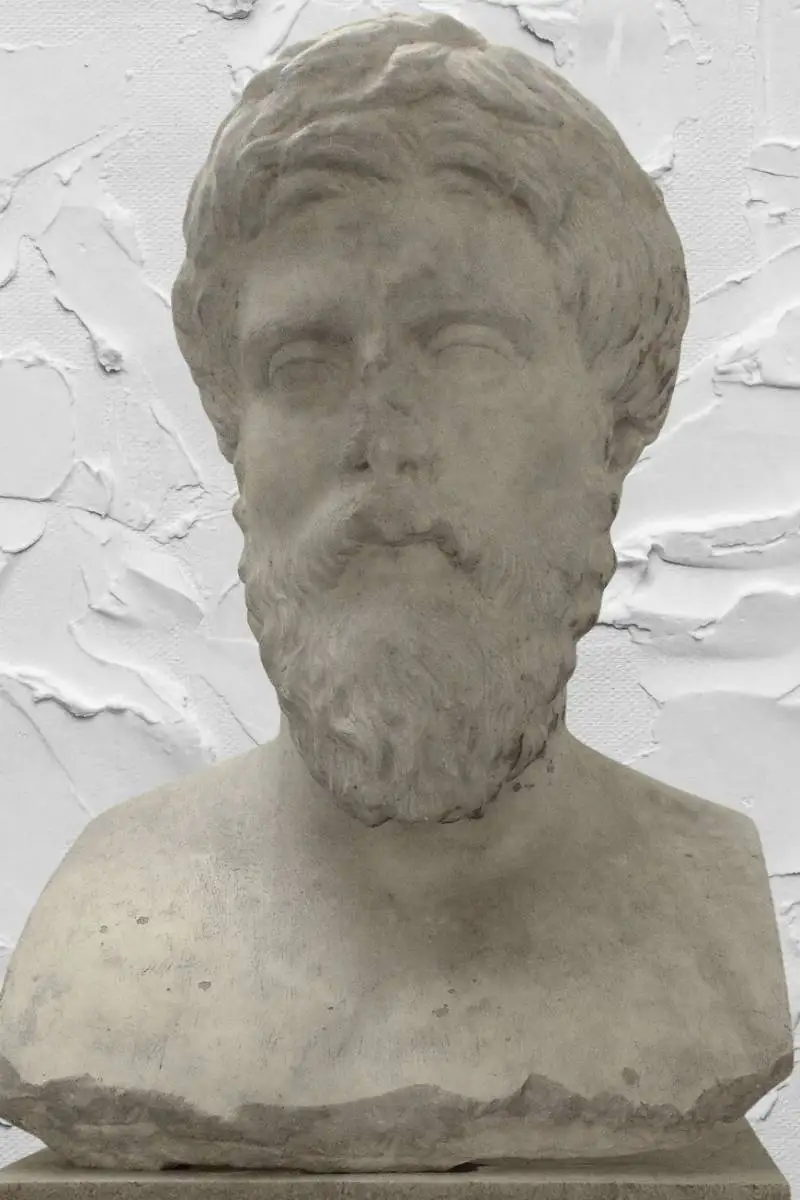
If Philippides ran to Sparta, who announced the victory to the Athenians after the battle?
By Roman times, authors couldn't agree.
In De gloria Atheniensium, Plutarch quotes a fourth-century Greek author named Heraclides Ponticus:
According to Heraclides Ponticus, Thersippus Eroeus was the man who brought back the news of the battle of Marathon, but most people say that it was Eucles who ran in full armour, hot from the battle. As he burst in through the doors of the first men of the State, he only managed to say “χαίρετε” and “χαίρομεν” before dropping dead. He had been an eyewitness to the battle in which he had taken part.
So, in Plutarch we find two new names. It seems that most people in Plutarch's time believed that the hemerodromos' name was Eucles, but according to Heraclides Ponticus it was Thersippus.
Herodes Atticus, one of the richest men of his time, tried to spread the belief that he was a descendant of Eucles to connect his name to the glorious past of Marathon. A modern parallel would be Elon Musk using his wealth to prove that he is a descendant of George Washington, to gain prestige points. Even if this doesn't tell us much about who the hemerodromos really was, it does tell us that, in Herodes' and Plutarch's time, Eucles and Thersippus were known as the original Marathon runners and not Philippides or Pheidippides.
That would, however, change a few years later.
Lucian Invented the Myth of the Marathon Runner
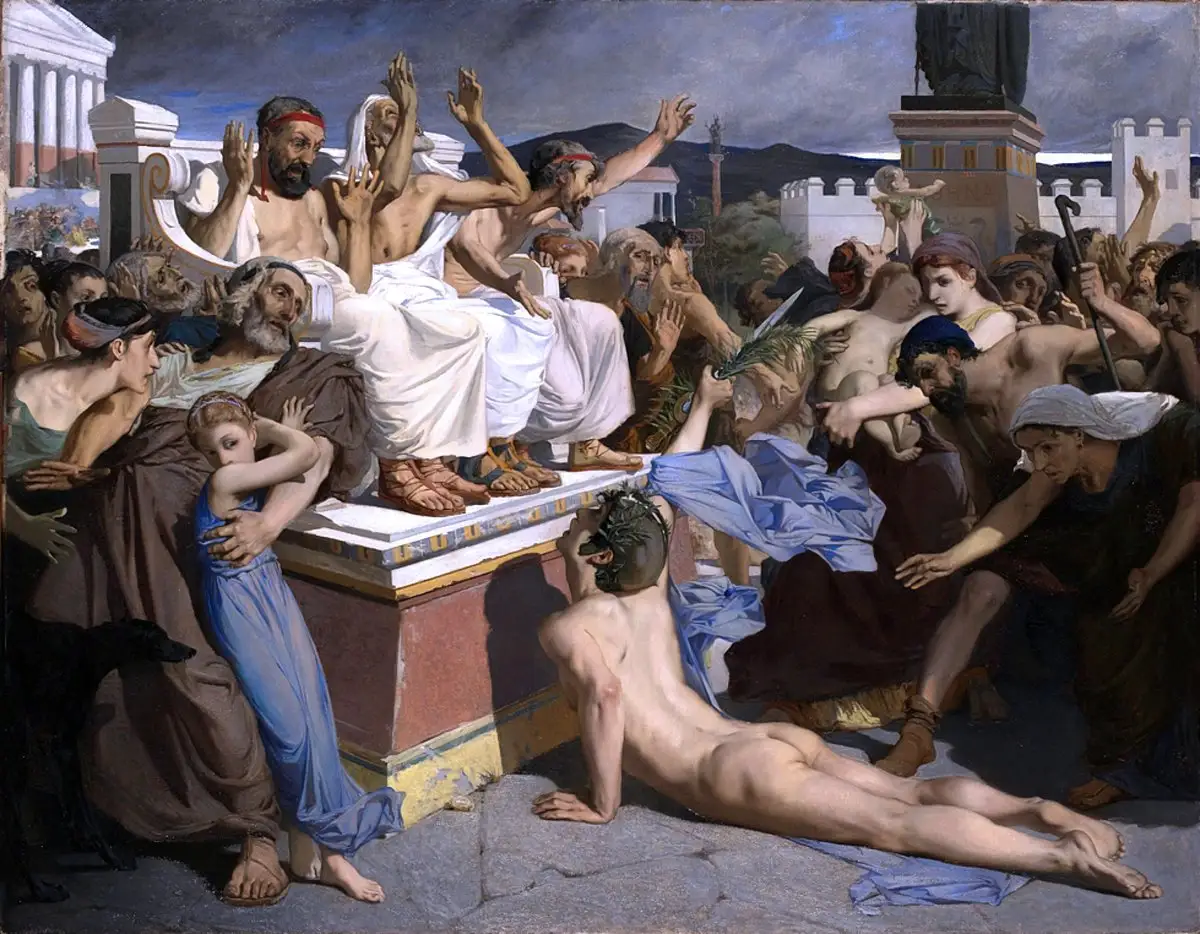
How did the world end up believing the runner was "Pheidippides"?
In the second century AD, the Syrian-Greek satirist Lucian of Samosata wrote in his essay Pro lapsu inter salutandum (A Slip of the Tongue in Greeting) about various forms of greeting, including χαῖρε (chaire, rejoice). There he writes about the story of Philippides:
The hemerodromos Philippides is reportedly the first to have used this greeting. After running from Marathon in order to announce the victory to the assembly of archons who were anxiously awaiting the end of the war, he said “χαίρετε, νικῶμεν!” and soon after these words he died, expiring with that χαίρετε.
In this paragraph written some five centuries after the battle of Marathon, Lucian presents the story we now associate with the modern race.
He writes that Philippides (and not Pheidippides) ran from Marathon to Athens, announced the victory, saying something along the lines of "Rejoice, we won!", and died.
Why Did the Runner Have to Die?
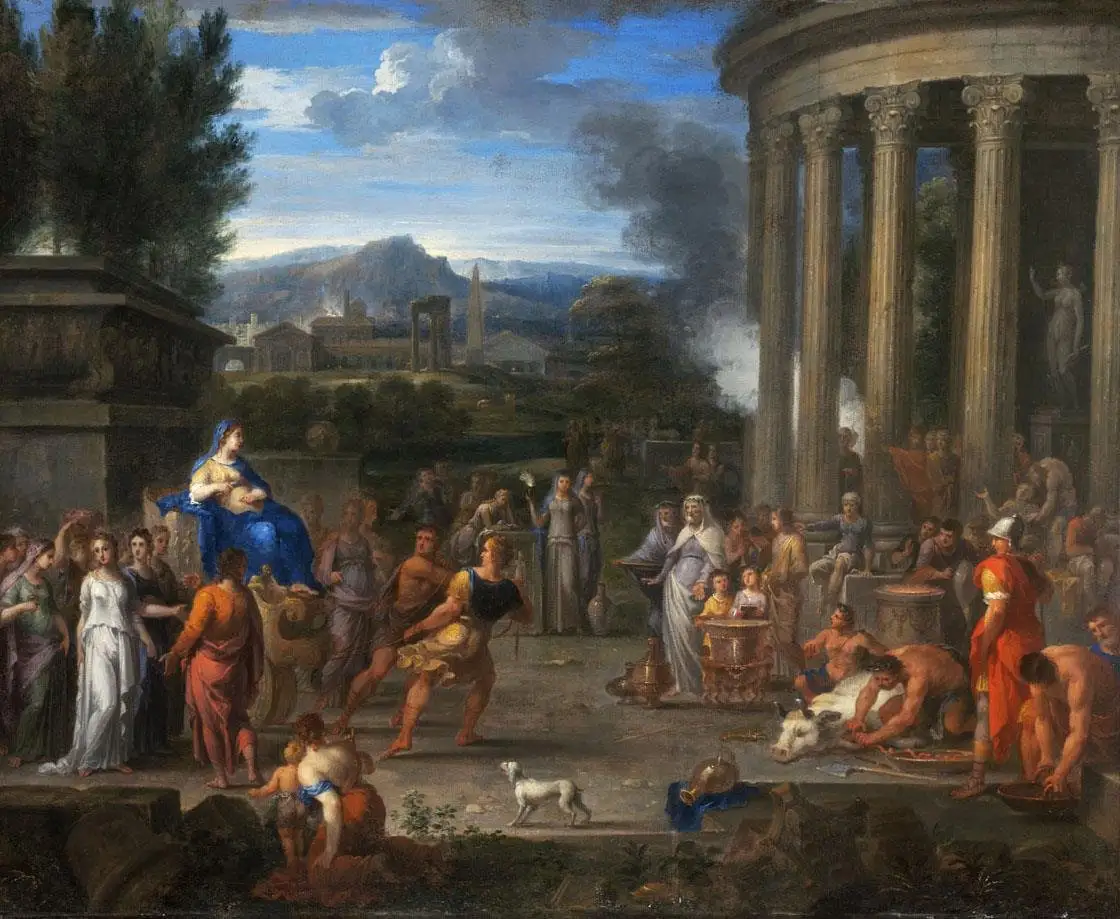
This is what has always bothered me about this story. Why would a hemerodromos (or anyone, for that matter) collapse and die after a 42 km run?
The answer has to do with Greek culture and its idea of success.
In ancient Greece, great glory—the peak of one's life—would ideally be accompanied by its end. There are many examples of such stories, but the most prominent is the story of Cleobis and Biton. These two brothers carried their mother's carriage when their oxen died. As they finally succeeded and brought the carriage to the temple of Hera where their mother wished to go, she prayed to the goddess to grant her sons the greatest gift any mortal could hope for, and the brothers collapsed right away, enjoying a glorious and memorable death.
Here, we shouldn't forget the tale told by Herodotus in the first book of The Histories. When the rich king Croesus asked Solon to tell him who was the happiest man alive, Solon named Cleobis and Biton, as well as Tellus (a man who secured his lineage and died heroically in battle).
Solon's (and presumably Herodotus') idea of happiness was not just about a good life; it was also about a good death. For as Solon says in this story:
"Call no man happy until he dies."
Within this context, the myth of Philippides makes more sense. Philippides dies because this good death turns him into a hero. Marathon was a historical event, but it had assumed mythical proportions, as we discussed in a previous article about the supernatural stories associated with the battle.
The Modern Myth
When French linguist Michel Bréal and Baron Pierre de Coubertin revived the Olympic Games in Athens in 1896, they were influenced by Pheidippides (1879), a popular poem by the English poet Robert Browning, who fused all the ancient stories together.
In Browning's poem, Pheidippides runs from Athens to Sparta, meets Pan, returns to Athens, fights at Marathon, returns to Athens, announces "Rejoice, we conquer!", and dies.
Bibliography
• Melis, Valeria. (2020). "Some reflections on the legend of the Marathon runner (Hdt. 6.105, Aristoph. Nub. 63–67, Plut. De glor. Ath. 347C, Lucian. Laps. 3 and the Roman Tradition)." Classica Cracoviensia, 23, 25–54.
• Athanassaki, Lucia. (2016). "Who was Eucles? Plutarch and His Sources on the Legendary Marathon-Runner (De gloria Atheniensium 347CD)." In A Versatile Gentleman: Consistency in Plutarch's Writing, edited by J. Opsomer et al., 213–228. Leuven.
• Herodotus. The Histories, Book 6.105–116.
• Plutarch. De gloria Atheniensium.
• Lucian of Samosata. Pro lapsu inter salutandum (A Slip of the Tongue in Greeting), 3.